





What's Happening?
Ultra-high-net-worth travelers are increasingly seeking out remote destinations for their luxury travel experiences, moving away from conventional luxury hotels towards more immersive, intimate, and authentic encounters. This shift is driven by a desire
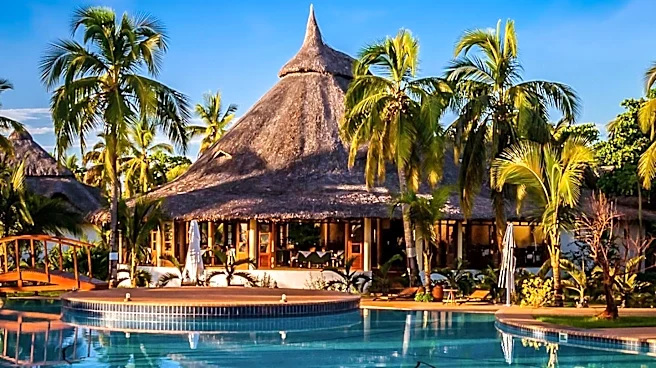
for privacy, silence, space, and a genuine connection with nature, as highlighted by Janne Honkanen, founder of Octola. Luxury lodges, often located in secluded wilderness areas, are gaining popularity, offering traditional five-star accommodations alongside unique perks such as destination dining, wellness programs, and intangible experiences. Lindsay Messina, cofounder of Fioraé Luxury Travel, notes that these lodges provide a feeling of being completely immersed in a place, which clients often prefer after experiencing top hotels. The trend, which gained momentum after the pandemic, has led to an influx of independently owned lodges and increased investor backing for 'experience-rich assets.' Examples include Niehku Mountain Villa in Sweden and Octola in Finnish Lapland, which offer exclusive, high-end experiences in remote settings.
Why It's Important?
This evolving trend in luxury travel signifies a broader shift in consumer values among the affluent, moving from ostentatious displays of wealth to a preference for discretion, privacy, and meaningful experiences. For the U.S. luxury travel industry, this means a potential re-evaluation of offerings, with a greater emphasis on bespoke, off-the-grid itineraries and partnerships with remote luxury lodges globally. Businesses that can cater to this demand for authentic, nature-led hospitality, and provide unparalleled privacy will likely gain a competitive edge. Conversely, traditional luxury hotel chains might need to adapt by venturing into private homes, villas, and residences in more secluded locations to maintain market share, as noted by Jason Squatriglia, founder of Your Favorite Travel Agent. The focus on 'experience-rich assets' also presents new investment opportunities in the hospitality sector, particularly for independent luxury lodges and nature retreats, impacting real estate markets in desirable remote regions.
What's Next?
The luxury travel sector is expected to continue its pivot towards remote and experiential offerings. We can anticipate further development of high-end lodges and wilderness retreats in previously untapped or less-traveled regions. Major hotel brands are likely to expand their portfolios to include more private and secluded accommodations, potentially through acquisitions or new ventures designed to meet the demand for privacy and authenticity. Travel designers and agencies will increasingly specialize in crafting highly personalized itineraries that emphasize unique cultural immersion, adventure, and wellness in remote settings. The growth of this segment may also spur innovation in sustainable tourism practices, as remote destinations often require a delicate balance between luxury development and environmental preservation. Furthermore, the emphasis on disconnecting to reconnect suggests a growing market for digital detox experiences and destinations that offer a respite from hyper-connectivity.
Beyond the Headlines
The shift towards remote luxury travel reflects a deeper societal yearning for authenticity and a break from the increasingly standardized and hyper-connected modern world. It highlights a growing appreciation among the wealthy for intangible values such as privacy, silence, and a genuine connection with nature, rather than just opulent amenities. This trend could have significant cultural implications, potentially influencing how luxury is defined and consumed across different demographics. It also raises ethical considerations regarding the impact of high-end tourism on fragile ecosystems and local communities in remote areas. The demand for exclusivity and authenticity could inadvertently lead to the commodification of wilderness and indigenous cultures if not managed responsibly. Moreover, the pursuit of 'meaning' through travel suggests a broader psychological trend where experiences are valued over material possessions, potentially reshaping consumer behavior beyond the travel industry.