






What's Happening?
Solstice Oncology, a newly launched cancer biotech, has raised $225 million in Series A funding to advance its next-generation CTLA-4 antibody, porustobart. The company has already secured an investigational new drug application from the FDA for a Phase
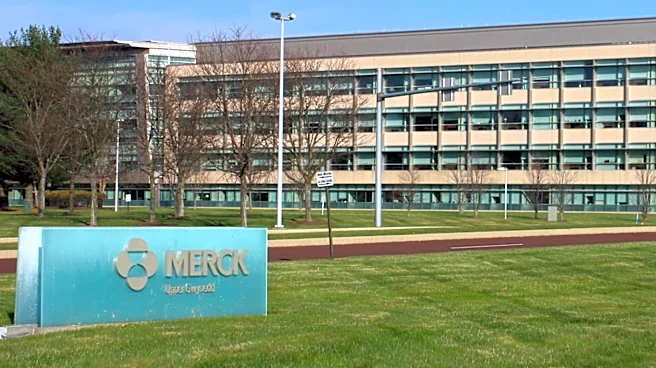
2 trial of porustobart, which was acquired from China’s Harbour BioMed. This therapy is intended for use in the pre-surgical neoadjuvant setting for advanced colon cancer and another undisclosed indication. The Phase 2 trial, which will combine porustobart with Merck’s Keytruda, is set to begin enrollment in the fourth quarter, with data expected in the second half of 2027. Solstice aims to address cancer earlier in its progression, leveraging the immune system before it is compromised by extensive treatment.
Why It's Important?
This significant Series A funding and FDA greenlight for a Phase 2 trial highlight a growing focus on innovative approaches to cancer treatment, particularly in the neoadjuvant setting. By targeting cancer earlier, when the immune system is still robust, Solstice Oncology hopes to improve cure rates and long-term survival, especially for diseases like colon cancer that have historically shown limited response to immunotherapy. The use of a next-generation CTLA-4 antibody with a short half-life could offer a better safety profile and more flexible dosing compared to previous CTLA-4 therapies, potentially expanding treatment options for patients. This development could also signal a trend towards more strategic international collaborations in drug development, as evidenced by the licensing agreement with Harbour BioMed.
What's Next?
Solstice Oncology will proceed with enrolling patients in its Phase 2 trial for porustobart in combination with Keytruda, with enrollment commencing in the fourth quarter. The company anticipates releasing data from this trial in the second half of 2027. Success in these trials could pave the way for further clinical development and potential regulatory approval, bringing a new treatment option to patients with advanced colon cancer. The company's strategy of targeting the pre-surgical neoadjuvant setting suggests a focus on demonstrating efficacy in earlier disease stages, which could significantly impact treatment paradigms. Additionally, the substantial funding indicates a strong investor confidence in Solstice's approach and its potential to disrupt the cancer treatment landscape.
Beyond the Headlines
The emergence of Solstice Oncology and its focus on early-stage cancer treatment with novel immunotherapies reflects a broader shift in oncology research towards personalized and precision medicine. By aiming to activate the immune system before extensive tumor progression, this approach could not only improve patient outcomes but also reduce the burden of more aggressive, later-stage treatments. The emphasis on a next-generation CTLA-4 antibody with an improved safety profile addresses a critical challenge in immunotherapy, where efficacy often comes with significant side effects. This development could inspire further research into optimizing immunotherapy combinations and timing, ultimately leading to a more nuanced and effective arsenal against various cancers.