




What's Happening?
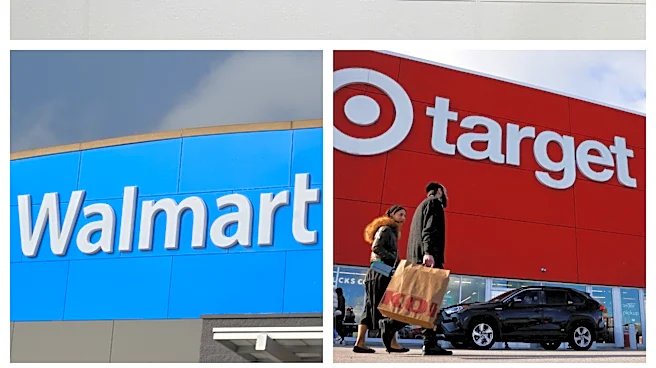
The U.S. Department of Justice (DOJ) has expanded its antitrust investigation into beef prices to include eight major retailers, such as Walmart, Costco, and Kroger, all of which operate stores in the Houston area. The DOJ sent letters to these companies,
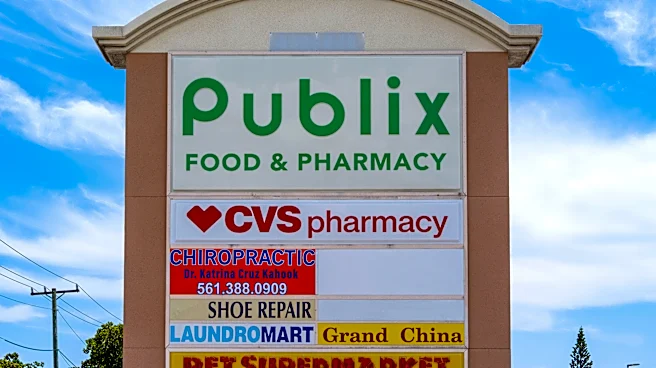
seeking information related to recent increases in retail beef prices. Other retailers named in the investigation include Amazon, Albertsons, Aldi, Publix, and Ahold Delhaize USA. This expansion follows an initial criminal investigation launched in May into four major meatpackers—Tyson Foods, Cargill, JBS USA, and National Beef Packing Company—which collectively process about 85% of U.S. grain-fed cattle. The current investigation aims to determine if anticompetitive practices are contributing to the near-record high beef prices, rather than accusing the retailers of wrongdoing at this stage.
Why It's Important?
This expanded investigation is crucial because it addresses a significant economic concern for American consumers: the soaring cost of beef. High food prices, particularly for staples like meat, directly impact household budgets and contribute to inflationary pressures. By examining the entire supply chain, from meatpackers to major retailers, the DOJ is seeking to uncover whether market inefficiencies or anticompetitive behaviors are artificially inflating prices. If such practices are found, it could lead to enforcement actions that might stabilize or reduce beef prices, benefiting consumers nationwide. For the involved retailers, the investigation could result in increased scrutiny, potential legal challenges, and reputational damage, regardless of whether wrongdoing is ultimately proven. It also highlights the government's role in ensuring fair market competition and protecting consumers from potential price manipulation.
What's Next?
The DOJ will continue to gather information from the eight major retailers, analyzing their pricing strategies, supply chain agreements, and market conduct. This data collection will inform whether further action, such as civil lawsuits or regulatory changes, is warranted. There has been no immediate announcement of price reductions by the retailers, nor have they been formally accused of illegal conduct. The investigation's findings could lead to policy recommendations aimed at increasing transparency and competition within the beef industry. Consumers in the Houston area and across the U.S. will be closely watching for any outcomes that might affect the cost of beef at their local grocery stores. The process is likely to be lengthy, given the complexity of the supply chain and the number of entities involved.
Beyond the Headlines
Beyond the immediate economic impact, this investigation delves into the structural issues of the U.S. food supply chain, particularly the concentration of power among a few large corporations. The fact that four meatpackers control a vast majority of the market raises questions about market resilience, especially during disruptions like pandemics or supply shortages. This inquiry could prompt broader policy debates about antitrust enforcement, agricultural subsidies, and the balance between corporate efficiency and consumer protection. It also underscores the interconnectedness of various economic sectors, where issues in one part of the supply chain can have ripple effects throughout the entire economy. The outcome could influence future regulatory approaches to other concentrated industries, setting precedents for how the government addresses market power and its impact on everyday goods.