






What's Happening?
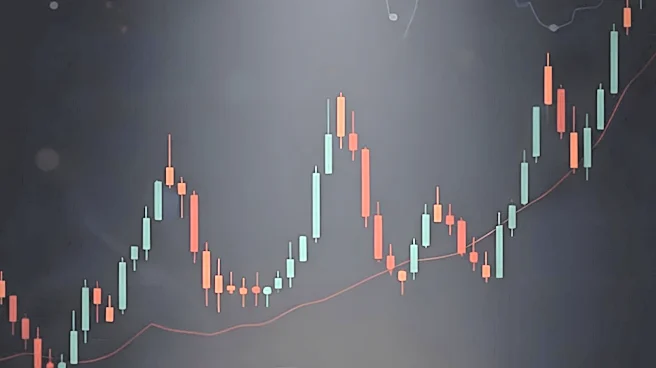
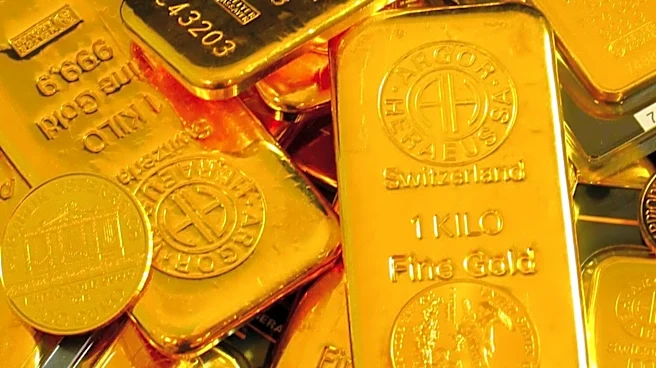
Gold is on track for its largest weekly loss in six weeks, driven by escalating U.S.-Iran tensions and rising oil prices, which have heightened inflation concerns. Despite recent softer U.S. inflation figures, the geopolitical risks in the Middle East
have overshadowed these developments. The ongoing conflict has led to a spike in oil prices, adding to inflationary pressures and strengthening the case for potential U.S. interest rate hikes. Spot gold prices have seen a 3.4% decline this week, reflecting market reactions to these dynamics.
Why It's Important?
The decline in gold prices highlights the complex interplay between geopolitical tensions and economic indicators. As a traditional safe-haven asset, gold typically benefits from uncertainty, but the current environment of rising interest rates and inflation concerns is exerting downward pressure. The situation underscores the broader economic impact of the U.S.-Iran conflict, with potential implications for global financial markets and investor strategies. The Federal Reserve's response to inflationary pressures will be closely watched, as it could influence future interest rate decisions.
What's Next?
Market participants will be monitoring developments in the U.S.-Iran conflict and any potential shifts in Federal Reserve policy. The likelihood of interest rate hikes could increase if inflationary pressures persist, impacting gold and other financial assets. Traders are currently pricing a 73% chance of a rate hike in December, according to the CME FedWatch Tool. The situation remains dynamic, with potential for further market volatility depending on geopolitical and economic developments.