




What's Happening?
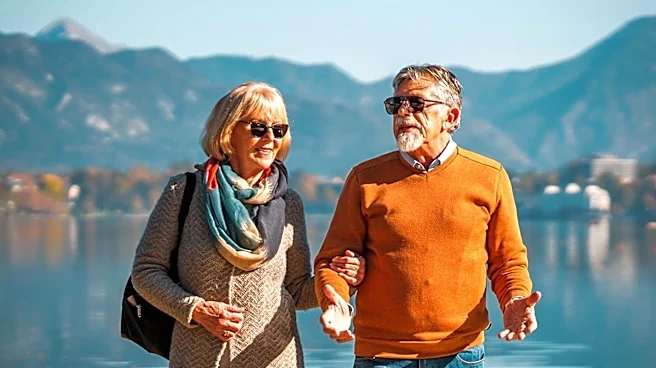
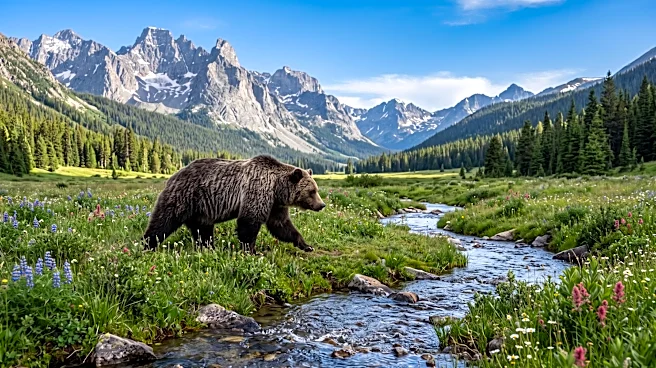
Helena, Montana, is actively promoting itself as a 'slow travel' destination, particularly appealing to older couples seeking a relaxed and meaningful American holiday. The city emphasizes its ability to offer a blend of history, culture, and nature without
the need for strenuous activities or a rushed itinerary. Helena, which originated as a gold-mining camp in 1864 and became the territorial capital in 1875, provides a compact city center where many attractions are easily accessible. This approach allows visitors to explore at their own pace, focusing on deeper engagement with the destination rather than trying to see everything quickly. Key attractions highlighted include the historic Last Chance Gulch, Reeder’s Alley with its pioneer-era homes, the Montana Heritage Center, and the scenic Gates of the Mountains boat trip on the Missouri River. The city also offers a variety of dining options, art galleries, and cultural venues, ensuring a well-rounded experience that prioritizes comfort and ease of exploration.
Why It's Important?
This initiative by Helena, Montana, is significant as it taps into a growing trend in the tourism industry: 'slow travel,' which prioritizes immersive and unhurried experiences over fast-paced sightseeing. For older couples, this approach offers a valuable alternative to more physically demanding travel options, allowing them to enjoy the natural beauty and historical richness of Montana without the pressure of a packed schedule. By focusing on accessibility and comfort, Helena can attract a demographic that might otherwise overlook the state in favor of more traditional, often crowded, national parks. This strategy can lead to increased tourism revenue for local businesses, including hotels, restaurants, and cultural institutions, as visitors are encouraged to stay longer and engage more deeply with the community. It also highlights a shift in travel preferences, where quality of experience and personal well-being are becoming as important as the number of sights visited, potentially influencing other destinations to adopt similar, more sustainable tourism models.
What's Next?
Helena is likely to continue refining its 'slow travel' offerings, potentially developing more tailored itineraries and packages specifically designed for older travelers. This could include partnerships with local tour operators to create accessible historical walks, specialized boat tours, and curated cultural experiences that cater to a slower pace. The city may also invest in further promoting its unique historical sites and natural attractions through targeted marketing campaigns aimed at the senior travel market. Additionally, there could be an emphasis on enhancing local infrastructure, such as accessible pathways and comfortable resting areas, to further improve the visitor experience. As the concept of 'slow travel' gains more traction, Helena's success could serve as a model for other U.S. cities looking to attract specific demographics by offering more relaxed and immersive travel opportunities, fostering a more sustainable and enjoyable tourism landscape.
Beyond the Headlines
The promotion of 'slow travel' in Helena reflects a broader societal shift towards valuing experiences and well-being over accumulation and speed. This trend has implications beyond tourism, touching upon lifestyle choices and consumer behavior. For older adults, 'slow travel' can contribute to improved mental and physical health by reducing stress and encouraging mindful engagement with their surroundings. It also fosters a deeper appreciation for local culture and history, promoting intergenerational learning and community connection. Economically, this approach can lead to more equitable distribution of tourism benefits, as visitors are encouraged to spend more time and money within local communities rather than just passing through. Furthermore, it challenges the conventional notion of a 'successful' vacation being measured by the number of places visited, instead advocating for a richer, more personal connection with a destination. This philosophical shift could influence how travel is perceived and marketed in the long term, emphasizing authenticity and personal enrichment.