






What's Happening?
WWE Superstar Alexa Bliss has revealed that she has been competing for the past two months while experiencing persistent flu-like symptoms and sinus issues. Bliss shared this information on X (formerly Twitter) on November 9, responding to a user who
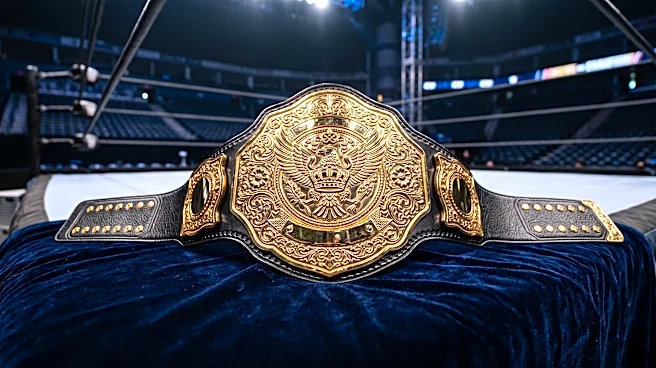
described similar symptoms. She stated that she has been suffering from a "CONSTANT flu feeling & sinuses" that "just won't stop." Despite her illness, Bliss has maintained an active wrestling schedule, often teaming with Charlotte Flair and Tatum Paxley. She also recently held the WWE Women’s Tag Team Championship titles with Paxley before losing them to Michin and B-Fab.
Why It's Important?
Alexa Bliss's revelation highlights the demanding nature of professional wrestling and the commitment required from athletes, even when facing health challenges. Her continued performance despite illness underscores the dedication many wrestlers have to their craft and their contractual obligations. This situation could raise concerns about athlete welfare and the potential health risks associated with performing while unwell, both for the individual and for others. For WWE, ensuring the health and safety of its performers is paramount, and situations like this can prompt discussions about medical protocols and support systems for athletes.
What's Next?
While Alexa Bliss has continued to wrestle, her public acknowledgment of prolonged illness may lead to increased scrutiny regarding her health and potential time off for recovery. Fans and commentators will likely monitor her condition closely. Depending on the severity and persistence of her symptoms, WWE's medical staff might intervene to ensure her well-being, potentially leading to a temporary hiatus from in-ring competition. Her current storyline involvement, including her association with Charlotte Flair and Tatum Paxley, could be affected if she needs to step away to fully recover.
Beyond the Headlines
This situation brings to light the broader issue of athletes pushing through pain and illness in high-performance environments. In professional sports and entertainment, there's often immense pressure to perform, which can lead individuals to overlook or downplay health issues. This can have long-term consequences for their health and career longevity. Bliss's experience could spark conversations within the wrestling community and beyond about the importance of prioritizing athlete health over immediate performance, and the need for robust support systems that allow performers to recover without fear of career repercussions.