





What's Happening?
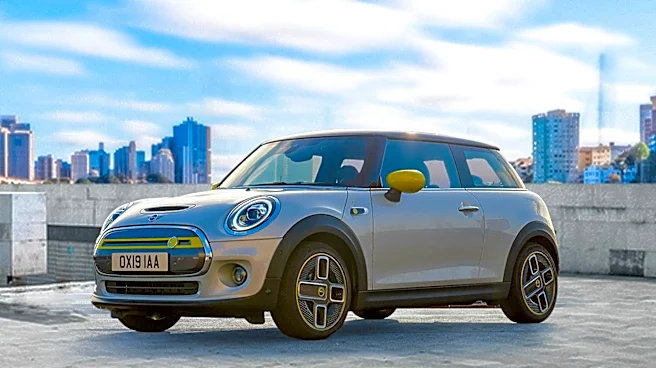
BMW is reportedly considering a significant shift for the next-generation electric Mini Cooper, potentially moving from its historically front-wheel-drive layout to a rear-wheel-drive configuration. This speculation arises from comments made by BMW officials
to Autocar, indicating that the company's Gen 6 platform, which underpins the Neue Klasse models, is designed around a rear-axle drive unit. While dual-motor versions of BMW's electric vehicles, like the i3 and iX3, incorporate front-axle propulsion, these motors are supplementary. BMW engineers are reportedly not developing an equivalent main drive motor for the front axle, suggesting that future electric Mini models would likely adopt a rear-wheel-drive setup. This would mark a notable departure from the Mini Cooper's long-standing tradition of front-wheel drive, a characteristic intrinsically linked to its space-saving design.
Why It's Important?
This potential shift to rear-wheel drive for the electric Mini Cooper has significant implications for the U.S. automotive market and Mini enthusiasts. The Mini Cooper's front-wheel-drive architecture has been a defining characteristic, influencing its handling dynamics and interior packaging. A move to rear-wheel drive would fundamentally alter the driving experience and potentially the brand's identity, which could either attract new buyers seeking a different performance profile or alienate traditionalists. For the broader U.S. electric vehicle market, it highlights how established automakers are adapting their platforms and engineering strategies to accommodate EV powertrains, often leading to unexpected changes in vehicle characteristics. This decision by BMW could also influence other manufacturers to re-evaluate their drivetrain strategies for electric models, impacting future product development and consumer choices in the U.S.
What's Next?
While these scenarios are currently speculative, based on insights from BMW officials, the company will need to make definitive decisions regarding the drivetrain layout for its next-generation electric Mini Cooper. This could involve a strategy where a front-wheel-drive, gas-powered Mini coexists with a rear-wheel-drive, battery-propelled electric version, or even a hybrid model. The integration of the Mini into BMW's broader Gen 6 platform suggests a move towards greater commonality in EV architecture across its brands. The market will be watching closely for official announcements from BMW regarding the future direction of the Mini Cooper, particularly how it balances brand heritage with the demands of electric vehicle technology and evolving consumer preferences. The success of this strategic shift will depend on how well BMW communicates its vision and delivers a product that resonates with both existing and new customers.
Beyond the Headlines
The potential transition of the Mini Cooper to rear-wheel drive delves into the deeper implications of electrification on automotive design and brand identity. Historically, drivetrain layouts have been integral to a vehicle's character and engineering philosophy. The Mini's front-wheel-drive setup was a revolutionary space-saving solution, defining its compact yet practical nature. Moving to rear-wheel drive for an electric variant suggests that the engineering constraints and opportunities of EV platforms are now dictating design choices, potentially overriding traditional brand attributes. This raises questions about how much of a brand's 'soul' can be preserved or reimagined in the electric era. It also highlights the ongoing tension between leveraging existing, cost-effective EV platforms and maintaining distinct brand identities, a challenge faced by many legacy automakers transitioning to electric vehicles. The outcome for Mini could serve as a case study for how other iconic brands navigate this transformative period.