


What's Happening?
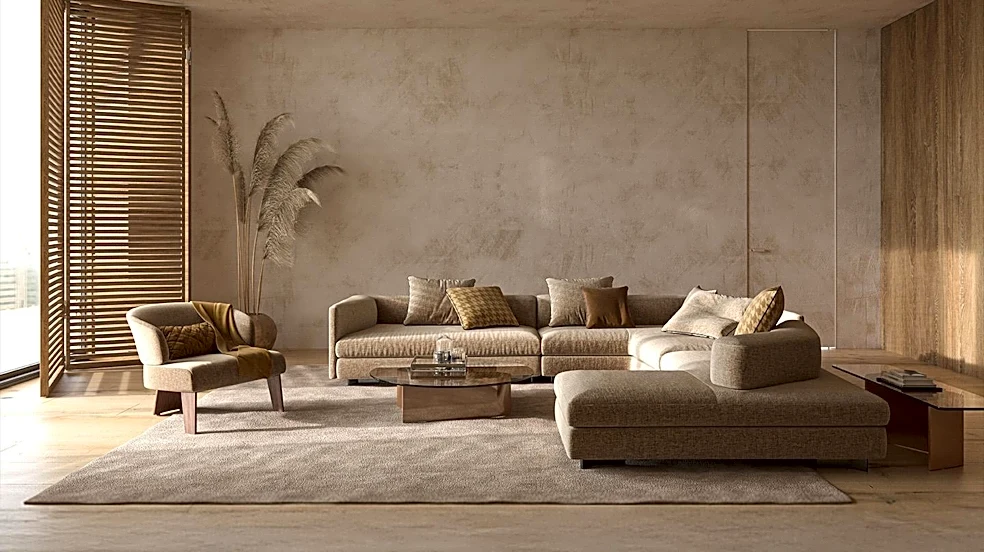
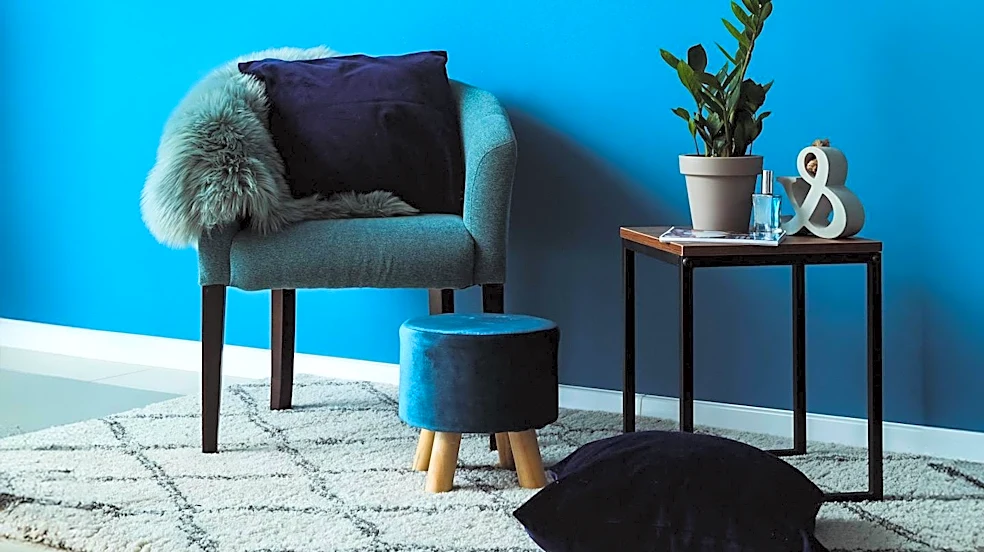
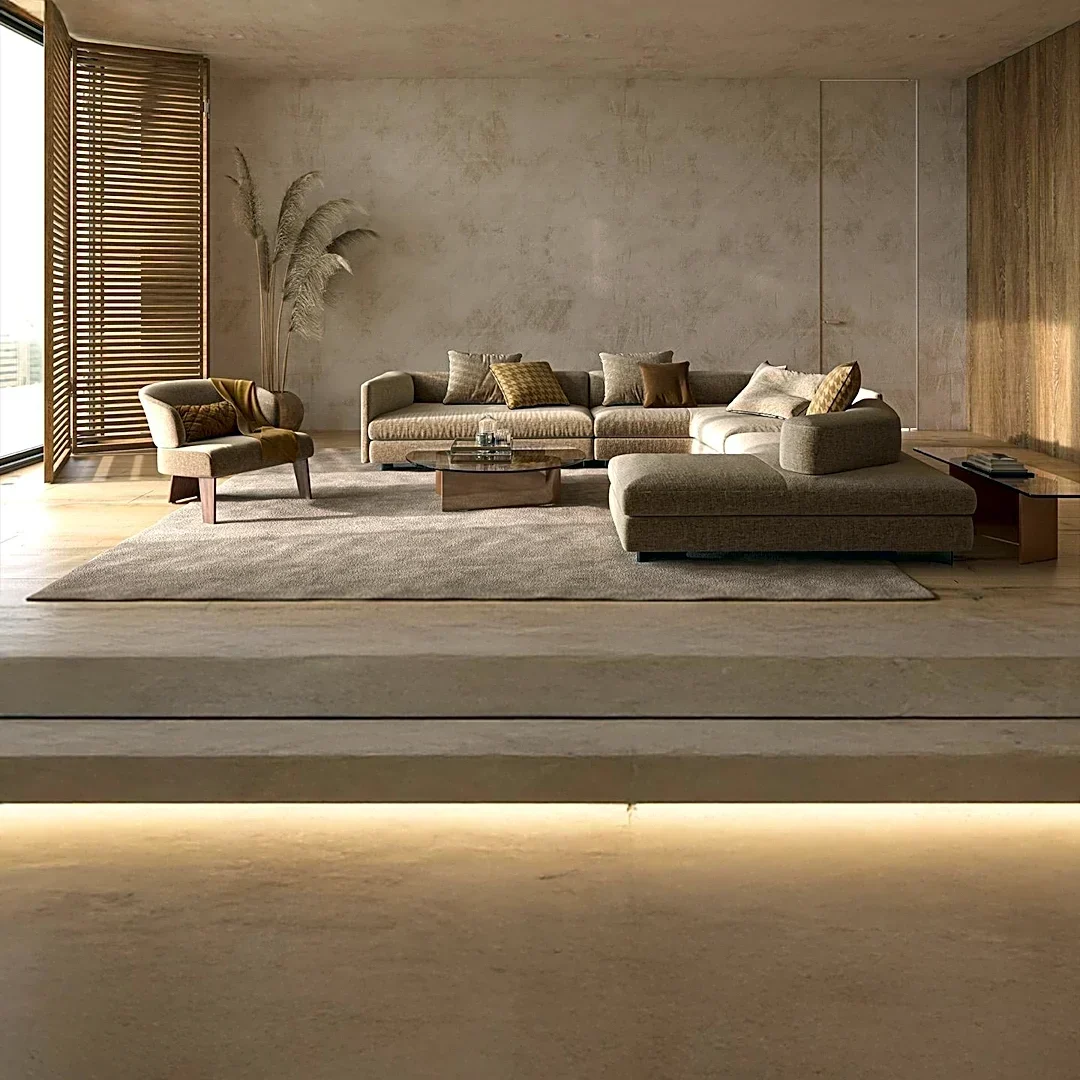
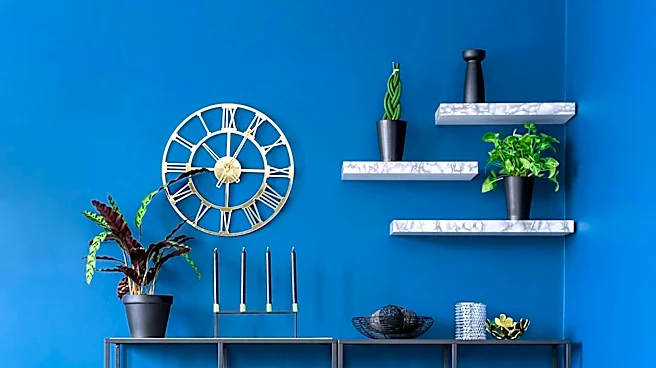
The design technique known as 'color drenching,' which involves coating an entire space in a single hue or pattern, is increasingly being adopted in home interiors, particularly in bathrooms. Designers note that this method creates a sense of expansiveness
and intentionality, making rooms feel more enveloped and less fragmented by contrasting colors. Nicole Arruda, Founder and Principal Designer at Nicole Alexandra Design, highlights that in smaller spaces like bathrooms, carrying one color throughout can make the architecture feel larger and provide a beautiful backdrop for other materials to add depth. The approach moves away from traditional bright and airy bathroom designs, favoring a more dramatic and cozy mood. Keeley Sutcliffe, Design Manager at BC Designs, suggests that slight mismatches in shades and textures within the same color family can enhance interest and depth, rather than striving for perfect uniformity. This trend is seen as a way to create tranquil and sophisticated environments, even in rooms typically associated with stark white. The technique is versatile, working with soft neutrals for coziness or richer shades for sophistication.
Why It's Important?
The growing popularity of color drenching signifies a shift in interior design preferences, moving towards more immersive and mood-driven aesthetics in U.S. homes. This trend impacts the home decor and paint industries, as consumers may seek specific paint formulations and design services to achieve this monochromatic look. It also influences the market for home furnishings and accessories, with an emphasis on varied textures and subtle tonal differences to add depth within a single color scheme. For homeowners, color drenching offers a way to personalize spaces, making them feel more intentional and cohesive. The psychological impact of such designs, creating a 'cocooning' or 'nurturing' atmosphere, could also contribute to increased well-being and comfort within living spaces. This trend challenges conventional design wisdom that often advocates for contrasting colors and bright, airy spaces, suggesting a broader acceptance of bolder and more enveloping interior choices.
What's Next?
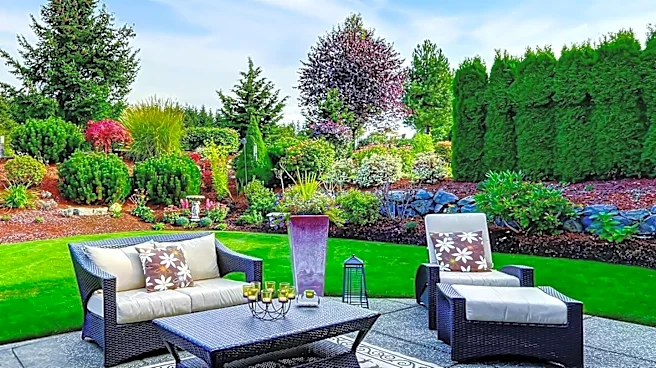
As color drenching continues to gain traction, paint manufacturers and interior design firms are likely to further promote this trend, offering curated palettes and specialized services. We may see an increase in marketing campaigns showcasing monochromatic room designs and highlighting the emotional benefits of such spaces. Retailers of home goods could adapt by offering more textured and tonally varied items within specific color families to cater to this aesthetic. Educational content for consumers on how to effectively implement color drenching, including tips on mixing sheens and textures, will also likely become more prevalent. The trend could also extend to other areas of home design, such as exterior painting or even garden design, as seen with 'green drenching,' indicating a broader application of the concept of immersive color.
Beyond the Headlines
Beyond its aesthetic appeal, color drenching reflects a deeper cultural desire for comfort, tranquility, and a sense of escape within the home, especially in an increasingly fast-paced world. The emphasis on creating 'cocooning' and 'enveloping' spaces suggests a need for sanctuaries that offer psychological respite. This trend also highlights a growing confidence among homeowners to experiment with bolder and less conventional design choices, moving away from universally safe neutrals. Ethically, it encourages a more thoughtful and holistic approach to design, where every element contributes to a unified experience rather than standing out individually. The technique's ability to make small rooms feel larger or dark rooms feel cozier also speaks to practical considerations, offering innovative solutions for optimizing living spaces. This shift could lead to a re-evaluation of how color is perceived and utilized in residential architecture and interior design, emphasizing its power to shape mood and perception.