




What's Happening?
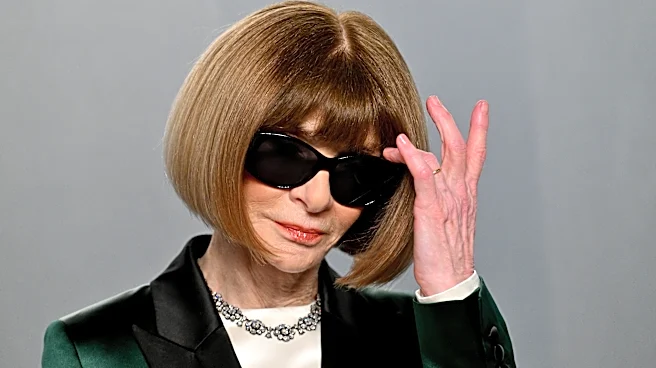
Anna Wintour and Daniel Lee recently engaged in a conversation focusing on career lessons within the fashion industry. A key theme of their discussion was the importance of protecting human creativity amidst rapid technological advancements and the rise
of artificial intelligence. The conversation highlighted that while technology and AI offer new possibilities, the essence of fashion remains rooted in craftsmanship, personal vision, and the human touch. This perspective emphasizes the irreplaceable value of human input in an industry increasingly influenced by digital tools. The discussion also touched upon the need for creative directors to foster an environment that allows creativity to flourish, stressing that quality work often requires time, trust, and a cohesive team, rather than immediate changes.
Why It's Important?
This discussion is significant for the U.S. fashion industry and its stakeholders, including designers, creative directors, and technology developers. It underscores a critical debate about the balance between technological innovation and traditional artistry. For fashion brands and designers, the emphasis on human creativity suggests a continued need to invest in skilled artisans and unique visions, rather than solely relying on AI-driven solutions. This could influence hiring practices, educational programs in fashion schools, and the allocation of resources within design houses. Conversely, technology companies aiming to integrate AI into fashion might need to adapt their offerings to complement, rather than replace, human creative processes. The conversation also highlights the potential for a more thoughtful integration of AI, where it serves as a tool to enhance, rather than diminish, the human element in design and production.
What's Next?
The insights from Wintour and Lee's conversation could prompt further discussions and strategic shifts within the U.S. fashion sector. Industry leaders may explore new models for collaboration between human creatives and AI technologies, focusing on how AI can support craftsmanship and innovation without compromising artistic integrity. Educational institutions might revise curricula to better prepare future fashion professionals for a hybrid creative environment, emphasizing both traditional skills and technological literacy. Additionally, this dialogue could influence policy discussions around intellectual property in the age of AI, particularly concerning the protection of human-generated creative works. Brands might also begin to market their products with a renewed focus on the human story and craftsmanship behind them, appealing to consumers who value authenticity and unique artistic expression.
Beyond the Headlines
The conversation between Anna Wintour and Daniel Lee delves into broader ethical and philosophical questions about the role of technology in creative fields. It raises concerns about the potential for AI to homogenize artistic expression or devalue human skill if not managed thoughtfully. This extends beyond fashion to other creative industries, such as art, music, and literature, where similar debates are unfolding. The emphasis on 'protecting human creativity' suggests a growing awareness of the need to define and preserve the unique contributions of human intellect and emotion in an increasingly automated world. This could lead to a re-evaluation of what constitutes 'originality' and 'authorship' in creative works, potentially influencing legal frameworks and cultural norms surrounding artistic production. Ultimately, the discussion highlights a fundamental tension between efficiency and artistry, prompting a deeper consideration of humanity's place in a technologically advanced future.