



What's Happening?
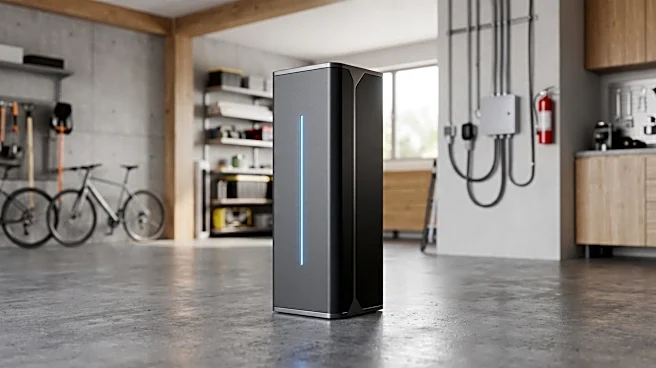
Many individuals are seeking alternatives to combat rising utility bills, and Stirling Free Power presents a do-it-yourself (DIY) method for generating home electricity using heat. This approach appeals to those who desire more control over their energy
production and consumption. The system involves outdoor installations that require careful consideration for weatherproofing and safe fuel storage. While it offers a path to energy independence, it is noted that scaling up this method takes time. The program is particularly suited for DIY enthusiasts who enjoy hands-on projects and value noise reduction in their energy solutions. It provides a way for people to generate some of their own electricity, potentially reducing their reliance on traditional power grids.
Why It's Important?
The availability of DIY energy solutions like Stirling Free Power is significant for U.S. households grappling with increasing electricity costs. It empowers consumers to take an active role in managing their energy expenses and contributes to greater energy independence at a personal level. This trend can alleviate financial pressure on families and small businesses, offering a tangible way to reduce monthly utility outlays. Furthermore, by exploring alternative energy generation methods, even on a small scale, it fosters innovation and awareness about sustainable practices. The emphasis on DIY solutions also highlights a growing desire among the populace for self-sufficiency and resilience in the face of economic and environmental challenges.
What's Next?
As utility costs continue to be a concern, interest in DIY energy generation methods like Stirling Free Power is likely to grow. This could lead to an increase in demand for educational resources and kits that enable individuals to produce their own power. The market might see more companies offering similar solutions, potentially leading to advancements in ease of installation, efficiency, and safety for home-based energy systems. There could also be a rise in community-based initiatives where individuals share knowledge and resources for DIY energy projects. However, regulatory frameworks and safety standards for such home-generated power systems may need to evolve to accommodate this growing trend, ensuring safe and effective implementation.
Beyond the Headlines
The movement towards DIY energy solutions like Stirling Free Power reflects a broader societal shift towards self-reliance and a questioning of traditional utility monopolies. It touches upon themes of technological empowerment, environmental consciousness, and economic resilience. On an ethical level, it promotes sustainable living and reduces individual carbon footprints, aligning with global efforts to combat climate change. Culturally, it could foster a renewed interest in practical skills and engineering among the general public. The long-term implications might include a more distributed and decentralized energy infrastructure, potentially leading to greater energy security and a reduced vulnerability to large-scale power outages or price manipulations by major energy providers.