


What's Happening?
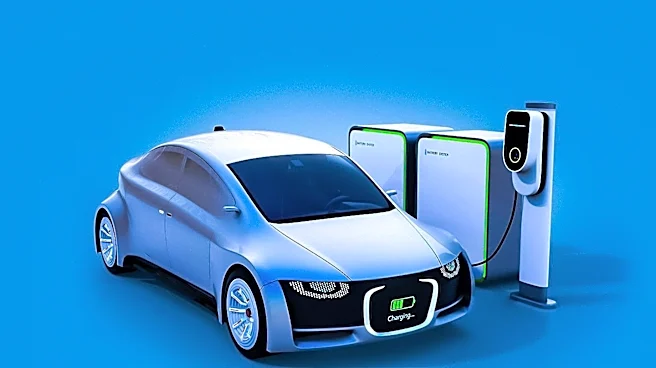
Despite advancements in battery-swapping technology, it has not yet replaced highway fast charging for electric vehicles (EVs) in the U.S. The concept, popularized in countries like China, involves swapping depleted batteries for fully charged ones in a matter
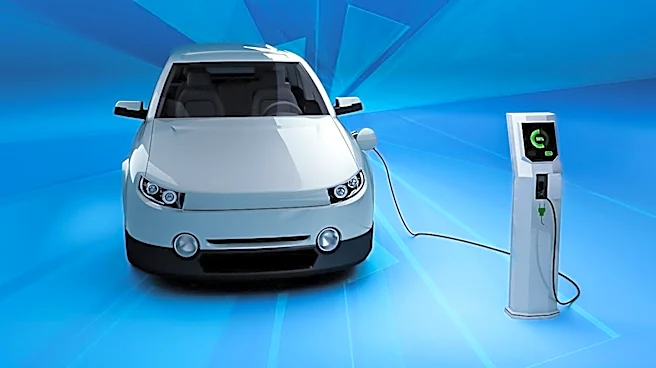
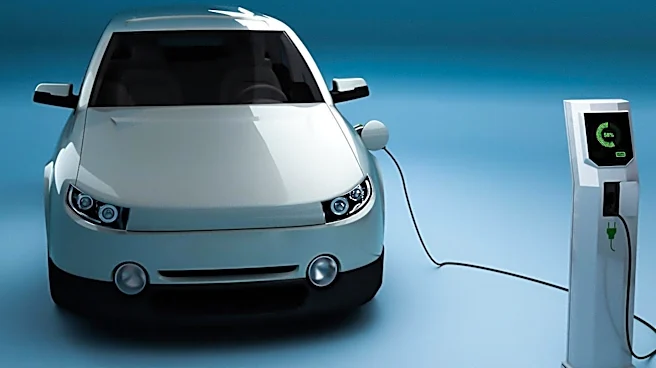
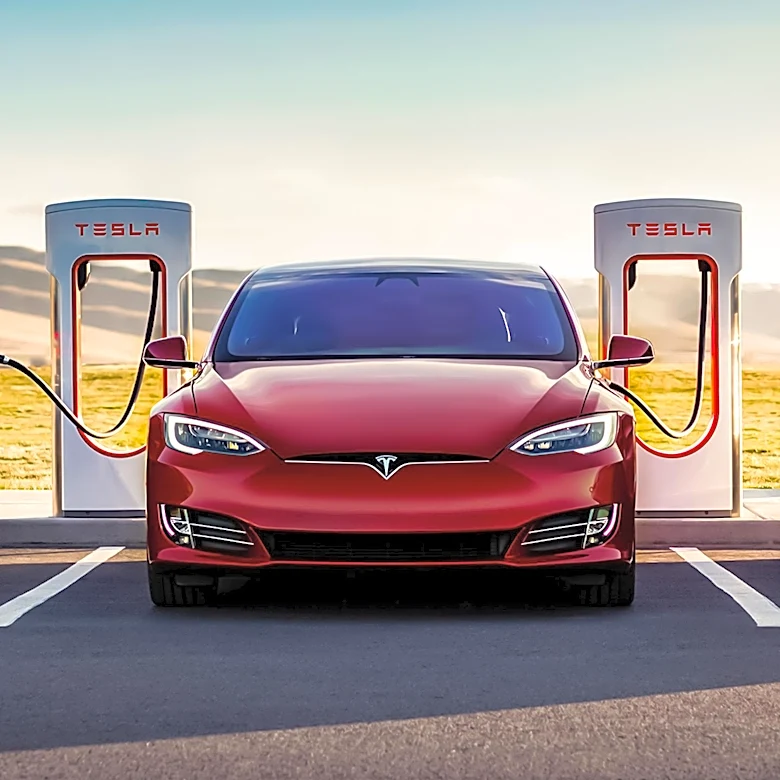
of minutes. However, the infrastructure required for battery-swapping is complex and costly, involving large automated facilities to store and manage batteries. In contrast, fast-charging stations require less infrastructure and are more feasible for widespread implementation across highways.
Why It's Important?
The debate between battery-swapping and fast charging is crucial for the future of EV infrastructure in the U.S. Fast charging remains the dominant method due to its lower cost and simpler logistics, which are critical for supporting the growing number of EVs. The choice of infrastructure will impact the pace of EV adoption, consumer convenience, and the overall transition to sustainable transportation. The outcome of this debate could also influence policy decisions and investments in EV infrastructure.
Beyond the Headlines
The preference for fast charging over battery-swapping highlights broader challenges in standardizing EV technology and infrastructure. It raises questions about the scalability of battery-swapping and its environmental impact, given the need for extensive resources to build and maintain swapping stations. Additionally, the decision between these technologies could affect the competitive landscape of the EV market, influencing which companies and technologies gain prominence.