





What's Happening?
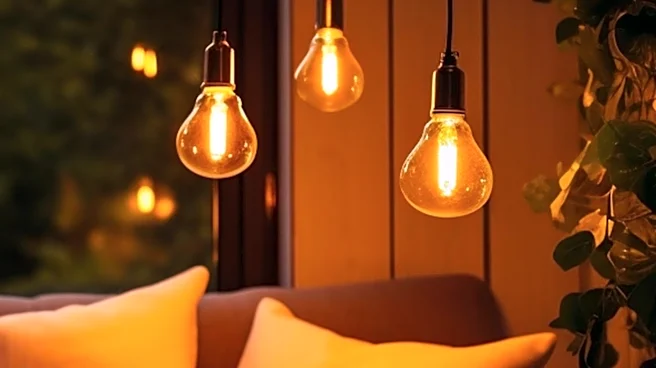
For creating a warm and inviting atmosphere in a living room, a light color in the Warm White range, specifically between 2700 Kelvin and 3000 Kelvin, is considered optimal. This color temperature is similar to that of traditional incandescent bulbs and is perceived
as particularly comfortable. Many buyers often focus on design and overlook the lighting effect, leading to sterile or uncomfortable atmospheres if the light color is too cool (over 4000 Kelvin). Non-dimmable models also limit flexibility, preventing adjustment from bright task lighting to soft mood lighting. Stability is another crucial factor for floor lamps, with weighted bases being essential, especially for taller models, to prevent tipping and ensure safety in households with children or pets. The IP20 rating, common for indoor luminaires, indicates protection against solid foreign objects but not against water.
Why It's Important?
The choice of lighting significantly impacts the comfort and functionality of U.S. homes, particularly in living spaces. Utilizing warm white light can enhance psychological well-being by creating a relaxing and inviting environment, which is crucial for stress reduction and overall mood. Conversely, poor light quality, such as overly cool or non-dimmable lighting, can lead to discomfort and a less appealing home environment, potentially affecting residents' satisfaction and even their desire to spend time in certain areas. For businesses in the home furnishings and lighting industries, understanding these preferences is vital for product development and marketing. Offering dimmable, warm white lighting solutions that prioritize stability can meet consumer demand for both aesthetic appeal and practical safety, thereby gaining a competitive edge in the market. This also highlights a broader trend in consumer preference for customizable and comfortable home environments.
What's Next?
Consumers are likely to continue seeking lighting solutions that offer both aesthetic appeal and functional benefits, such as dimmability and appropriate color temperature. Manufacturers and retailers in the U.S. market will likely respond by expanding their product lines to include more options that meet these criteria, focusing on warm white LED technology and stable designs. There may also be an increased emphasis on smart lighting systems that allow for easy adjustment of color temperature and brightness, catering to the growing demand for integrated home automation. Educational campaigns from lighting experts and interior designers could further inform consumers about the importance of light quality and its impact on mood and well-being, driving more informed purchasing decisions. The market could also see innovations in materials and design to enhance stability without compromising on aesthetic appeal, addressing safety concerns more effectively.
Beyond the Headlines
The emphasis on warm white lighting for comfort extends beyond mere aesthetics, touching upon the psychological and physiological impacts of light on human well-being. The concept of 'mood lighting' is increasingly recognized for its role in creating environments that support relaxation and reduce stress, aligning with broader trends in wellness and self-care within the home. This shift reflects a deeper understanding of how environmental factors, such as lighting, can influence daily life and mental states. The integration of dimmable features and specific color temperatures in lighting products signifies a move towards more human-centric design, where technology is leveraged to create personalized and adaptive living spaces. This trend could also influence architectural design, with more consideration given to natural light integration and the strategic placement of artificial light sources to optimize comfort and mood, moving beyond purely functional illumination to a more holistic approach to interior environments.