





What's Happening?
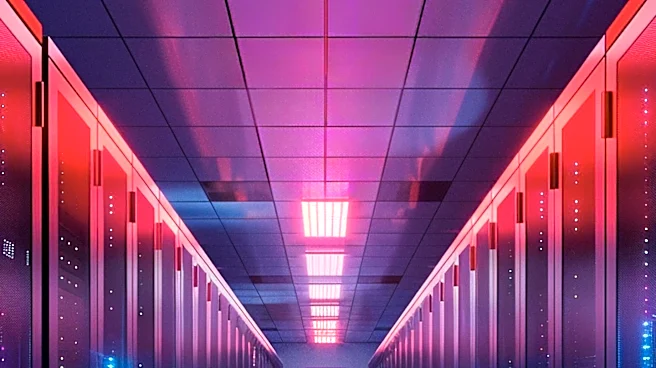
Baker Tilly, a prominent advisory, tax, and assurance firm, has highlighted significant trends shaping the real estate landscape for data centers. The firm notes a surge in demand driven by modern workloads requiring increased power, redundancy, and reliable
performance. This has led to the development of more sophisticated facilities designed for high-density servers and massive data volumes. While these advanced facilities entail higher development costs and technical complexity, they often benefit from long lease terms, mission-critical use cases, and tenants with strong credit profiles, ensuring durable cash flow and long-term stability for owners. The firm emphasizes that power and connectivity are now more critical than ever in site selection, with access to sufficient electrical capacity, proximity to substations, and clear paths to grid interconnection being primary due diligence factors. Supply-chain constraints and long lead times for critical power equipment are also impacting construction schedules and project viability.
Why It's Important?
The insights from Baker Tilly are crucial for understanding the evolving infrastructure needs of the U.S. economy, particularly in the technology and real estate sectors. The increasing demand for data centers reflects the nation's growing reliance on digital services, cloud computing, and data-intensive applications. This trend impacts real estate development, energy infrastructure planning, and supply chain management. The emphasis on power and connectivity underscores the critical role of reliable energy grids and high-speed networks in supporting economic growth and technological advancement. As suitable sites become scarcer, competition and development costs will continue to rise, potentially affecting the cost of digital services and the profitability of data center operators. This also highlights the need for strategic planning by utility companies and local governments to ensure adequate infrastructure is in place to support this vital industry.
What's Next?
The data center industry is expected to continue its rapid expansion, with ongoing innovation in facility design and energy solutions. Developers will likely focus on securing sites with robust power and fiber connectivity, potentially leading to increased investment in energy infrastructure and network expansion. Addressing supply chain constraints for critical power equipment will be a key challenge, requiring collaboration between manufacturers, developers, and government entities. Furthermore, community sentiment and local opposition could increasingly influence project approvals and timelines, necessitating greater engagement and transparency from developers. The scarcity of suitable sites will drive up competition and development costs, potentially leading to more vertical integration or strategic partnerships within the industry to secure resources and streamline development processes.
Beyond the Headlines
The trends identified by Baker Tilly point to broader implications for urban planning, environmental sustainability, and national security. The immense power requirements of data centers raise questions about energy consumption and the transition to renewable energy sources. The concentration of data infrastructure in specific geographic areas could create new economic hubs but also pose environmental challenges related to heat dissipation and water usage. From a national security perspective, the resilience and security of these critical data infrastructure sites become paramount, especially given their role in supporting essential services and economic functions. The increasing complexity and cost of data center development could also exacerbate the digital divide if smaller businesses or underserved regions struggle to access or afford these advanced services, highlighting the need for equitable infrastructure development policies.