






What's Happening?
Rotem, a long-standing provider of agricultural climate control and farm management solutions, is continuing its operations and product development under the Speria brand. This transition aims to bring renewed focus and momentum to Rotem's established
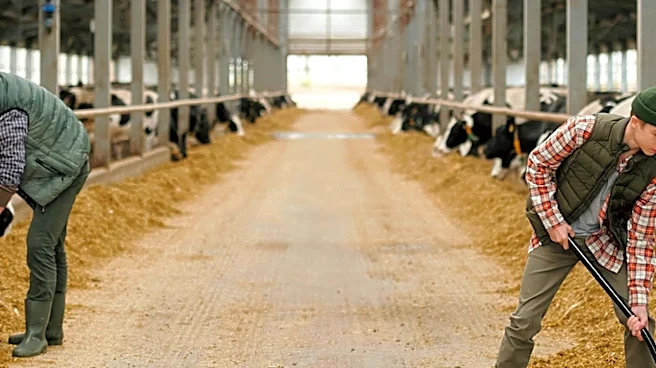
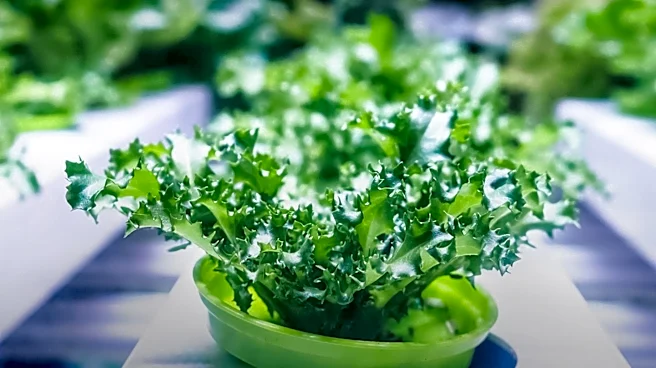
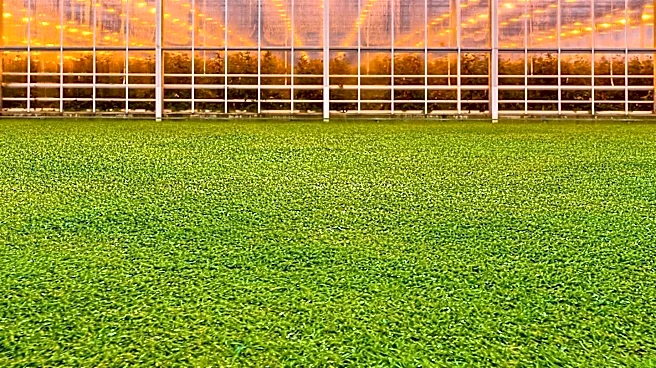
technology and customer base. Rotem has decades of experience in developing systems for managing environmental and operational conditions in agricultural settings, including poultry houses, swine farms, and commercial greenhouses. Their technology controls factors such as temperature, ventilation, humidity, feeding, water, weighing, and remote management. Rotem is recognized as the original developer of key controllers like the Trio Controller, Greenfield Controller, and AC2000. According to Eran Levy, Managing Director of Rotem, this new chapter allows Rotem to maintain its product expertise while integrating into Speria's broader vision of connecting technologies across the food supply chain. Pia Brantgärde Linder, Global President of Speria, stated that the move is about building on existing strengths and creating greater opportunities for technological integration.
Why It's Important?
This development is significant for the agricultural technology sector, particularly for producers relying on advanced climate control and farm management systems. The integration of Rotem's established expertise into Speria's broader platform suggests a move towards more connected and comprehensive operational intelligence in food production. This could lead to enhanced efficiency, predictability, and productivity for farmers and agricultural businesses. By combining Rotem's specialized controllers and sensors with Speria's software and services, producers may gain access to more integrated data and insights, enabling better decision-making and optimized resource management. This consolidation under Speria also signals a trend in the industry towards creating more holistic solutions that span various aspects of the food supply chain, potentially benefiting animal welfare and operational sustainability. The continuity of Rotem's product line ensures that existing customers can maintain their current systems while potentially gaining access to new, integrated functionalities.
What's Next?
Rotem will continue as a distinct product brand within Speria, maintaining its established identity and product focus. The immediate next steps include the launch of a new Rotem website, providing a dedicated platform for its products, solutions, and information. Customers can expect to continue relying on Rotem's existing technology and performance without changes to the products themselves. However, the long-term vision involves leveraging Rotem's expertise within Speria's framework to connect technologies across the food supply chain. This suggests future developments could include enhanced integration capabilities, new software features, and expanded service offerings that combine Rotem's climate control with other aspects of farm management. Speria's strategy is to bring together established technologies to create a more connected offering of technology, software, data, and services, indicating a future where agricultural operations are increasingly managed through unified, intelligent systems.
Beyond the Headlines
The integration of Rotem into Speria reflects a broader industry trend towards consolidation and the creation of 'smart farming' ecosystems. This move highlights the increasing importance of data-driven decision-making and interconnected systems in modern agriculture. Beyond operational efficiencies, this shift could have profound implications for food security and sustainability. By optimizing climate control and farm management, producers can reduce waste, conserve resources, and improve yields, contributing to a more sustainable food supply. The emphasis on connecting technologies across the food supply chain also points to a future where traceability and transparency in food production are enhanced, potentially benefiting consumers and regulatory bodies. This evolution in agricultural technology underscores the ongoing transformation of farming from traditional practices to highly sophisticated, data-intensive operations, driven by the need to feed a growing global population efficiently and responsibly.