




What's Happening?
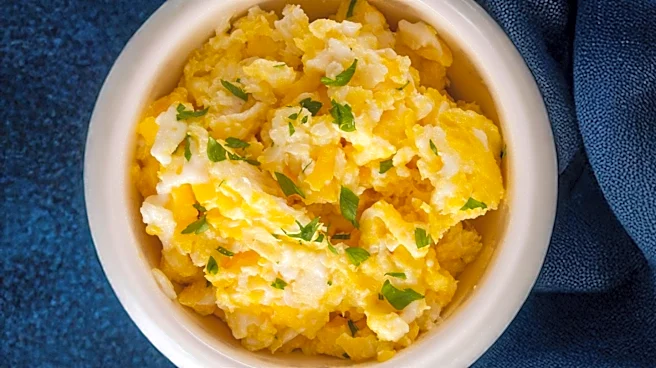
IHOP's famously creamy and fluffy scrambled eggs are achieved through a specific preparation method involving cream and an immersion blender, according to former employees. The process entails combining raw eggs with cream, typically in a ratio of no
more than one part cream to five parts egg, and then blending the mixture with an immersion blender. This technique ensures even mixing of yolks and whites while incorporating air bubbles, which are crucial for maximizing fluffiness. The blended egg mixture is then cooked on a flat top. Additionally, maintaining low heat during cooking and continuously moving the eggs in the pan from the edges to the center are vital steps to prevent overcooking and achieve moist curds. The use of cream or melted butter is preferred over milk, as milk can thin out the mixture and lead to dry, crumbly eggs.
Why It's Important?
This revelation about IHOP's scrambled egg preparation highlights the significant impact of specific culinary techniques and ingredients on food quality in the restaurant industry. For consumers, understanding these methods can elevate home cooking, allowing them to replicate restaurant-quality dishes. For the food service industry, it underscores the importance of precise ingredient ratios and cooking processes in maintaining brand consistency and customer satisfaction. The preference for cream or butter over milk also provides valuable insight into the science of cooking, demonstrating how fats bond with egg proteins to slow coagulation and enhance texture. This knowledge can influence product development in the dairy and food additive sectors, as well as inform culinary education and training programs.
What's Next?
The widespread sharing of IHOP's scrambled egg technique may lead to an increase in home cooks adopting these methods, potentially boosting sales of immersion blenders and cream. Restaurants and food establishments might also review their own egg preparation processes to compete with or emulate the perceived quality of IHOP's offerings. Culinary schools and cooking shows could incorporate these tips into their curricula, further disseminating the knowledge. Additionally, the discussion around the use of cream versus milk could prompt consumers to be more discerning about ingredients in their own cooking and when dining out, potentially influencing demand for specific dairy products.
Beyond the Headlines
Beyond the immediate culinary implications, this story touches on the broader cultural phenomenon of consumers seeking to demystify popular restaurant dishes. The desire to understand and replicate professional cooking techniques reflects a growing interest in food science and the art of cooking. It also highlights the power of social media platforms, like Reddit and Instagram, in sharing insider information and influencing culinary trends. This trend can empower consumers with greater control over their food preparation and potentially lead to a more educated and adventurous home cooking demographic. The emphasis on specific ingredients and techniques also subtly reinforces the idea that quality in food often stems from attention to detail and understanding the properties of ingredients, rather than just complex recipes.