








What's Happening?
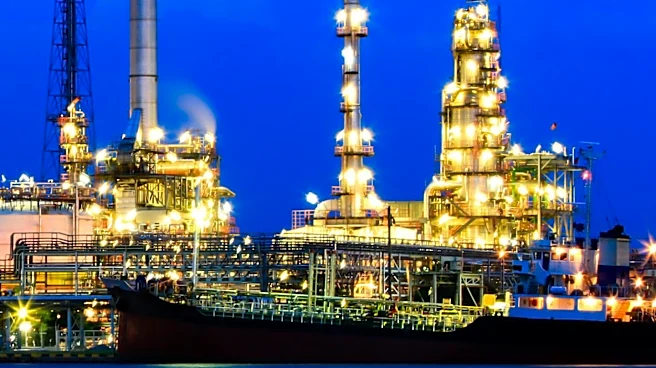
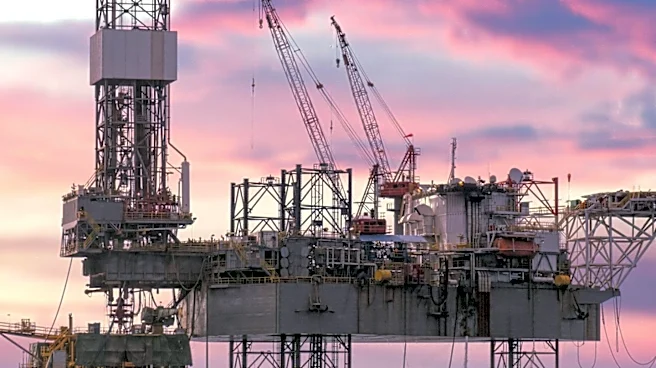
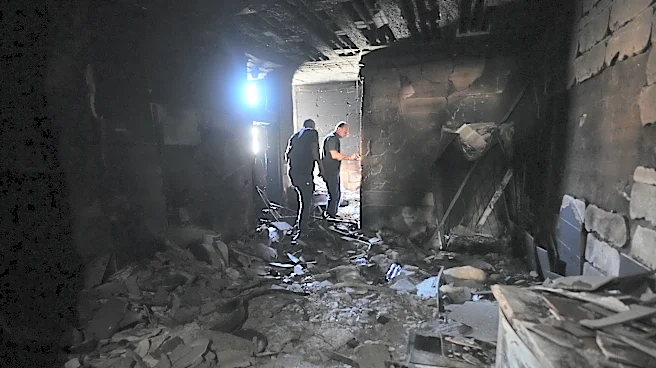
The ongoing conflict with Iran has led to significant disruptions in global fertilizer supplies, particularly affecting shipments through the Strait of Hormuz, a critical passage for about one-third of the world's fertilizer. This has resulted in increased
fertilizer prices and limited availability, impacting U.S. farmers as they plan for upcoming planting seasons. The shortage has been exacerbated by a global natural gas deficit, a key component in nitrogen fertilizer production. Although the U.S. and Iran have recently reached an agreement to reopen the Strait, the fertilizer market remains strained, with U.S. farmers facing higher costs and potential changes in crop planting strategies.
Why It's Important?
The fertilizer shortage poses a significant challenge to U.S. agriculture, potentially leading to higher food prices as farmers adjust to increased costs. While the direct impact on consumer prices may be limited, the broader food supply chain could experience inflationary pressures due to compounded factors such as labor shortages and fuel costs. Farmers, particularly those growing corn and wheat, are vulnerable to these price swings, which could influence planting decisions and overall agricultural output. The situation underscores the interconnectedness of global supply chains and the potential for geopolitical conflicts to disrupt domestic markets.
What's Next?
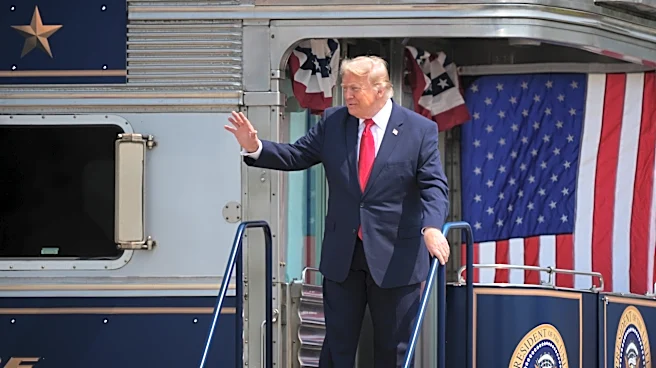
As the fertilizer industry begins to recover, U.S. farmers are exploring alternative soil replenishment methods, such as using manure and compost, to mitigate future supply chain disruptions. The Trump administration's temporary suspension of certain import duties aims to alleviate some cost pressures. However, the full recovery of the fertilizer sector may take months, potentially affecting the planting of cool-season crops. The situation highlights the need for strategic planning and diversification in agricultural practices to enhance resilience against global supply chain shocks.