



What's Happening?
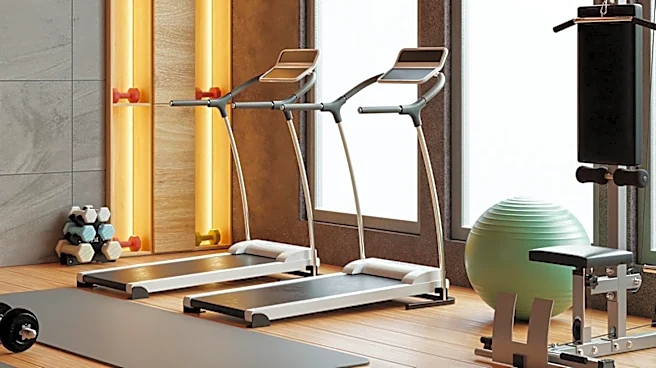
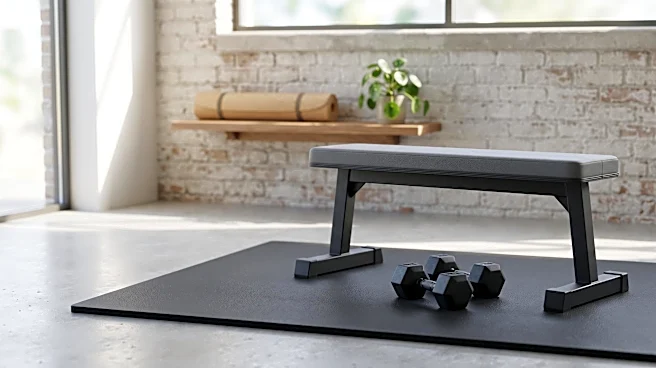
Choosing the correct mat for home gym equipment is essential for protecting floors, reducing noise, and ensuring equipment stability. For most home gym setups, a 1/2 inch solid rubber mat is recommended, extending 6 to 12 inches beyond the equipment's
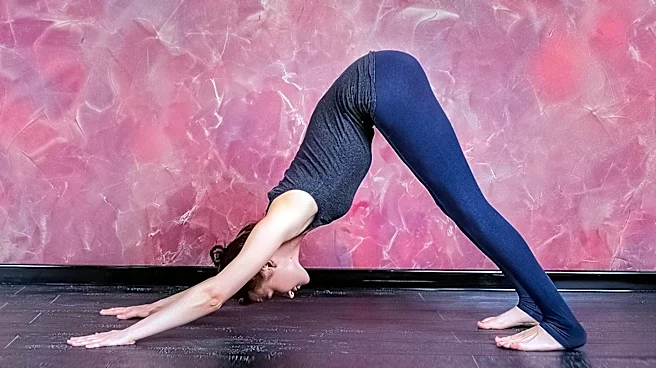
footprint. This thickness is suitable for treadmills, benches, dumbbells, cable machines, and moderate rack training. However, for heavy lifting, dropping weights, or training on concrete, a 3/4 inch rubber mat is advised. The material choice is also critical, with solid rubber being preferred over EVA foam for heavy equipment due to its superior compression resistance. EVA foam is better suited for activities like yoga or stretching. Proper mat placement involves cleaning the subfloor, laying mats dry first, and ensuring equipment feet rest on solid mat surfaces rather than seams. Ignoring these guidelines can lead to unstable equipment, floor damage, and reduced longevity of the gym setup.
Why It's Important?
The selection of appropriate gym mats has significant implications for both the longevity of home gym equipment and the structural integrity of residential flooring. Improper matting can result in costly damage to wood, carpet, or concrete floors from scratches, dents, or vibrations caused by heavy machinery and weights. Furthermore, an unstable training surface, often a consequence of using inadequate mat thickness or material like EVA foam under heavy loads, can compromise user safety and exercise effectiveness. For individuals investing in home fitness, understanding these mat requirements ensures that their investment is protected and that their workout environment is safe and conducive to effective training. This also impacts the overall user experience, as proper matting reduces noise, making home workouts more pleasant for both the user and other household members.
What's Next?
Individuals setting up or upgrading their home gyms should prioritize researching and acquiring the appropriate matting before installing heavy equipment. This involves assessing the type of equipment, the intensity of planned workouts (e.g., heavy deadlifts versus cardio), and the underlying subfloor material (concrete, wood, or carpet). Manufacturers and fitness retailers are likely to continue emphasizing the importance of proper flooring solutions as home fitness trends grow. Consumers can expect to see more integrated solutions and guidance from equipment providers regarding mat compatibility and installation. Additionally, ongoing research into biomechanics and surface materials may lead to further innovations in gym flooring, offering even more specialized options for different training needs and environments.
Beyond the Headlines
The seemingly simple choice of a gym mat extends into broader considerations of home infrastructure and personal well-being. The emphasis on protecting subfloors highlights the increasing value placed on home maintenance and the long-term preservation of property value, especially as more activities shift indoors. From a health and safety perspective, the stability provided by correct matting can prevent injuries, which is crucial for all age groups, including seniors who may benefit from tailored in-home personal training programs that incorporate balance exercises. The discussion also touches upon the environmental aspect, as the durability and material composition of mats can influence their lifespan and eventual disposal. Ultimately, the informed selection of gym mats reflects a holistic approach to home fitness, integrating equipment, environment, and personal safety.