





What's Happening?
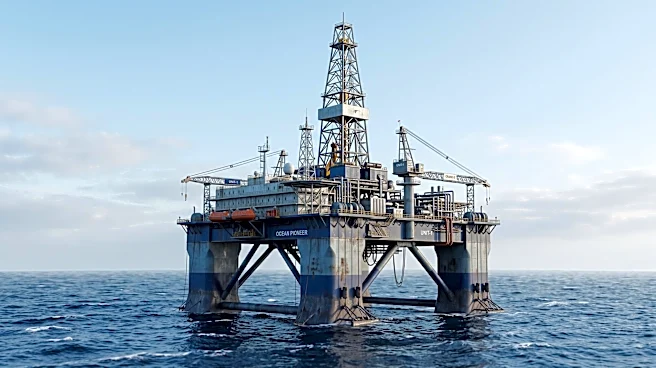
ExxonMobil has approved a final US$12.5 billion investment for the Longtail project offshore Guyana and is making progress on the redesigned Rovuma LNG project in Mozambique. These developments are central to the company's strategy to focus on large international
upstream projects. The Longtail project, which is condensate-rich, is expected to begin production by 2030. In Mozambique, ExxonMobil now holds a 50% stake in the Rovuma LNG project, which aims for an annual capacity of 18.6 million metric tons of LNG with reduced emissions compared to its original design. This shift emphasizes offshore and LNG-heavy assets in ExxonMobil's long-term production portfolio. The company's management, according to investor LunaRodas, is heavily relying on Guyana, the Permian Basin, and LNG for post-2030 volumes, while maintaining a commitment to its dividend.
Why It's Important?
This strategic pivot by ExxonMobil towards large-scale offshore and LNG projects in Guyana and Mozambique is significant for the U.S. energy sector and global energy markets. The substantial investment in Longtail and the increased stake in Rovuma LNG indicate a long-term commitment to natural gas and oil production, which could impact future energy supply and pricing. For ExxonMobil shareholders, these projects represent potential long-dated sources of cash flow, reinforcing the company's investment narrative that balances large capital expenditures with disciplined capital returns, including a US$20 billion buyback commitment for 2027. The focus on lower-emission LNG also aligns with evolving global energy demands and environmental considerations, potentially positioning ExxonMobil favorably in a transitioning energy landscape. However, the success of these ventures is subject to commodity price fluctuations and execution risks.
What's Next?
The immediate focus for ExxonMobil will be on the execution of these major projects. For the Rovuma LNG project, investors will be closely watching the timing of the final investment decision (FID), which is anticipated by the end of 2026. Additionally, the contract structures for offtake agreements and how spending on Rovuma is balanced against other key projects like Guyana and Permian automation, as well as shareholder distributions, will be critical. The Longtail project's progress towards its planned 2030 start-up will also be a key indicator of ExxonMobil's long-term production capabilities. Analysts are evaluating how these developments will impact ExxonMobil's revenue and earnings forecasts, with some optimistic projections suggesting significant upside potential.
Beyond the Headlines
The strategic emphasis on large, long-term projects like Longtail and Rovuma LNG highlights a broader trend in the energy industry where major players are consolidating their efforts on high-yield, capital-intensive ventures. This approach, while promising significant future cash flows, also entails considerable geopolitical and environmental risks, particularly in regions like Mozambique and Guyana. The redesigned Rovuma LNG project's focus on lower emissions reflects a growing industry response to climate concerns, indicating that even traditional oil and gas giants are adapting their strategies to incorporate sustainability. This could set a precedent for future large-scale energy projects, balancing energy security with environmental responsibility. The long build-out period for these projects also underscores the long-term nature of energy investments and the need for sustained capital and operational discipline.