

What's Happening?
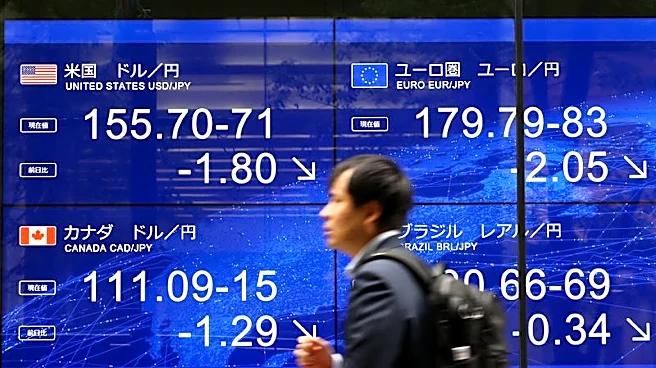
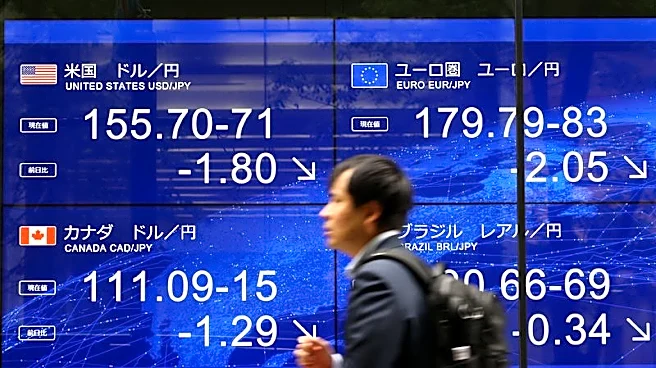
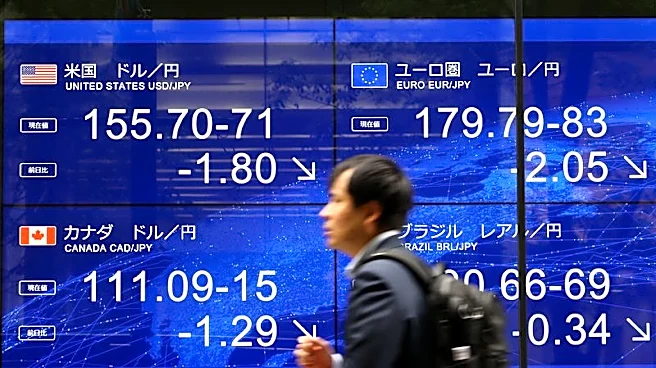
MUFG's G10 regression models indicate that the US Dollar is currently undervalued against most major currencies, influenced by risk premia related to Middle East conflicts, inflation concerns, and political interference at the Federal Reserve. The US-backed
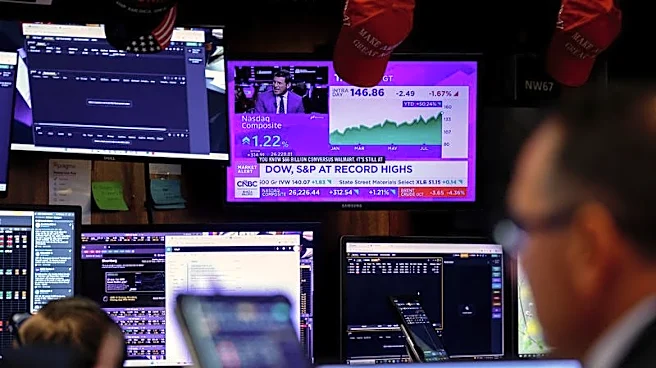
intervention to support the Yen and broader devaluation of the Dollar against Asian currencies could lead investors to sell the Dollar during periods of negative sentiment. Additionally, reports of President Trump communicating frequently with Fed Chair Warsh have raised concerns about political influence on the Federal Reserve, potentially affecting the Dollar's performance.
Why It's Important?
The undervaluation of the US Dollar has significant implications for global financial markets and economic policy. A weaker Dollar can impact international trade, making US exports more competitive but increasing the cost of imports. It also affects global investment flows, as investors may seek higher returns in other currencies. The perceived political influence on the Federal Reserve could undermine confidence in US monetary policy, leading to increased market volatility. These factors highlight the complex interplay between geopolitical events, economic policy, and currency valuation, which can have far-reaching effects on global economic stability.
What's Next?
As the US Dollar continues to face downward pressure, policymakers may need to consider measures to stabilize the currency and address underlying economic concerns. This could involve adjustments to interest rates, fiscal policy, or international trade agreements. The Federal Reserve's response to political pressures and economic challenges will be closely watched by investors and analysts, as it could influence future currency movements and economic growth. Additionally, ongoing geopolitical tensions and economic uncertainties will likely continue to shape the global financial landscape, requiring coordinated efforts from governments and financial institutions to manage risks and promote stability.
Beyond the Headlines
The current situation with the US Dollar underscores the importance of maintaining central bank independence and transparency in monetary policy. Political interference can erode trust in financial institutions and lead to unintended economic consequences. Furthermore, the global interconnectedness of financial markets means that currency fluctuations can have ripple effects across economies, affecting everything from consumer prices to investment decisions. As countries navigate these challenges, there may be increased calls for international cooperation and dialogue to address shared economic issues and promote sustainable growth.