
What's Happening?
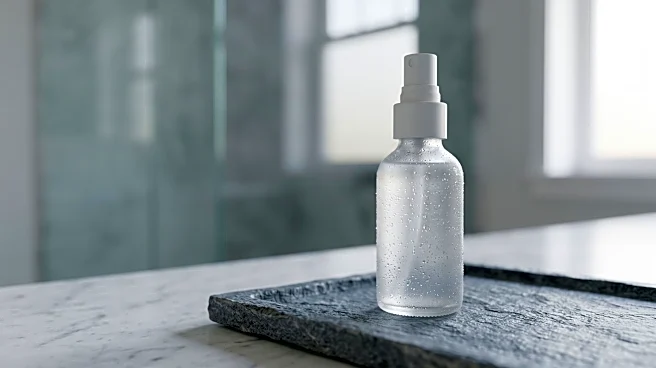
Hypochlorous acid (HOCl) sprays are trending on social media as a post-workout skincare essential, with claims that they can prevent sweat-related breakouts and replace traditional cleansing. These sprays are promoted for their antimicrobial properties,
suggesting they can eliminate acne-causing bacteria and reduce inflammation. However, according to Dermatology Times, there is currently no established evidence that HOCl sprays prevent exercise-associated breakouts or provide benefits equivalent to washing the skin after sweating. While HOCl does possess antimicrobial properties and has been investigated for wound care and inflammatory skin disorders, acne development involves multiple factors beyond just bacterial proliferation, including follicular hyperkeratinization, excess sebum production, and inflammatory responses. The American Academy of Dermatology (AAD) continues to recommend showering after exercise and using a mild, oil-free cleanser on acne-prone skin, or changing out of sweaty clothing and using salicylic acid pads if immediate showering is not possible.
Why It's Important?
The proliferation of unverified skincare claims on social media poses a significant challenge for consumers seeking effective and safe skincare solutions. This trend highlights the influence of social media on public health perceptions and purchasing decisions, often leading individuals to adopt practices that lack scientific backing. For the dermatology field, it underscores the need for clear, evidence-based communication to counteract misinformation and guide patients toward proven skincare routines. Consumers who rely on these trending products may not only waste money but also neglect more effective, established methods for acne prevention, potentially exacerbating their skin conditions. This situation also impacts the beauty industry, as brands may capitalize on trends without sufficient scientific validation, creating a market for products that offer perceived benefits rather than proven results.
What's Next?
Dermatologists and medical professionals will likely continue to emphasize the importance of traditional cleansing methods and evidence-based skincare practices to counter the spread of unproven social media trends. Educational campaigns from professional organizations like the AAD may become more frequent, aiming to inform the public about effective post-workout skincare. Consumers should be encouraged to consult with dermatologists for personalized advice rather than relying solely on social media recommendations. The skincare industry might face increased scrutiny regarding the scientific claims made for their products, potentially leading to a greater demand for clinical trials and transparent ingredient efficacy data. This could also spur the development of more rigorously tested and proven post-workout skincare solutions.
Beyond the Headlines
This issue extends beyond just skincare, reflecting a broader societal challenge of distinguishing credible information from misinformation in the digital age. The allure of quick fixes and convenient solutions, often amplified by social media influencers, can overshadow the importance of scientific rigor and professional advice. This phenomenon can erode trust in established medical expertise and lead to a reliance on anecdotal evidence. Ethically, brands promoting products with unsubstantiated claims face questions about their responsibility to consumers. Legally, there could be increased pressure for regulatory bodies to monitor and enforce stricter guidelines on marketing claims for health and beauty products, ensuring that consumers are not misled by unproven benefits. This situation underscores the critical need for media literacy and critical thinking skills in navigating online health and wellness information.