





What's Happening?
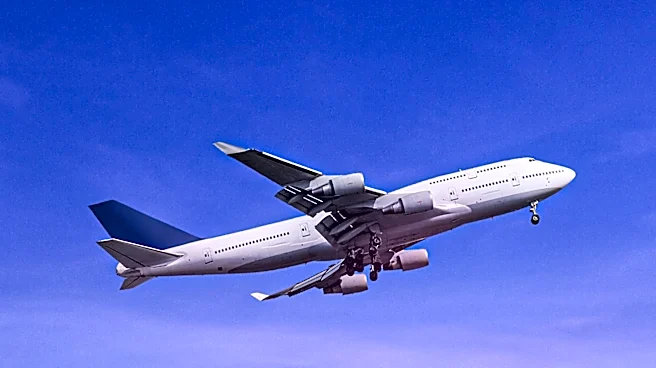
Two historic Boeing 747 aircraft have been transformed into luxury hotel suites at The 1975 Avenue & Hotel in Johor Bahru, Malaysia. The hotel features 18 suites housed within the two aircraft, named Bove and Bey, with each suite designed around a different
country theme, such as Malaysia, Japan, Korea, and Mexico. In addition to the aircraft suites, the development includes 20 conventional rooms in a separate building, bringing the total to 38 rooms. The project, which has been under development for several years, now appears to be fully operational and accepting guests. One of the aircraft, a Boeing 747SR-146B, previously flew for Japan Airlines, while the other, a Boeing 747-121, was originally operated by Pan Am and briefly by American Airlines. The hotel also offers amenities such as a man-made beach, swimming pools, a spa, sauna, gym, restaurants, and event spaces across its 14.9-acre property.
Why It's Important?
This innovative hotel concept offers a unique travel experience, particularly for aviation enthusiasts, by allowing guests to sleep inside historically significant aircraft. The transformation of these retired Boeing 747s into luxury accommodations provides a new purpose for these iconic planes, preserving a piece of aviation history while creating a distinctive hospitality offering. The project could serve as a model for repurposing large, decommissioned vehicles into sustainable and attractive tourist destinations. For the region of Johor Bahru, this hotel could boost tourism by attracting visitors seeking novel and memorable stays, potentially contributing to the local economy through increased visitor spending on accommodations, dining, and other services. The blend of aviation heritage with luxury hospitality creates a niche market that differentiates it from traditional hotel offerings.
What's Next?
The 1975 Avenue & Hotel is currently open and accepting bookings for its aircraft suites and conventional rooms. Future developments may include further expansion of themed suites or additional leisure facilities, depending on guest demand and the success of the initial phase. The hotel's unique proposition could lead to increased international recognition for Johor Bahru as a tourist destination. Other regions or developers might observe the success of this project and consider similar transformations of retired aircraft or other large vehicles into hotels or unique attractions. The hotel's official website and various booking platforms are actively listing the rooms, indicating a focus on attracting a broad range of guests, from aviation enthusiasts to luxury travelers.
Beyond the Headlines
The conversion of these Boeing 747s into a hotel highlights a broader trend of creative adaptive reuse, where old structures or vehicles are given new life rather than being scrapped. This approach not only offers environmental benefits by reducing waste but also creates unique cultural and historical experiences. The project taps into a sense of nostalgia for the golden age of air travel, allowing guests to connect with the history of these specific aircraft, which once carried hundreds of passengers across continents. Ethically, it presents a sustainable way to honor the legacy of these engineering marvels. Culturally, it transforms a symbol of mass transportation into an exclusive, themed retreat, blurring the lines between travel, history, and luxury accommodation, and potentially inspiring similar innovative projects globally.