






What's Happening?
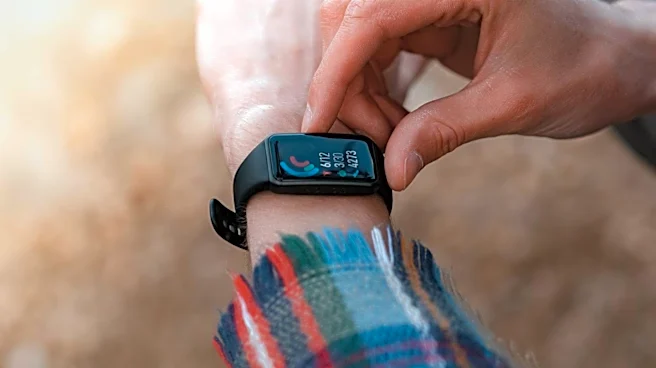
WHOOP, a company specializing in wearable fitness and health technology, has introduced a new social network called 'Whoop Humans.' This platform is designed to allow users to share physiological data directly from their WHOOP wearable devices, such as the Whoop 5.0.
The shared data includes metrics like sleep, recovery, and strain, as well as activities and achievements. According to Will Ahmed, founder and CEO of WHOOP, the network aims to be 'the most verifiably human network ever launched,' emphasizing real people with verified heartbeats and authentic experiences. Users have control over what data they share, with robust privacy protections in place. The platform also enables users to react to and comment on others' performance insights, fostering a supportive community where members can monitor and encourage each other's progress. WHOOP member Mike Bublitz noted that the network allows users to check in on friends whose recovery scores might indicate they need to take it easy.
Why It's Important?
The launch of 'Whoop Humans' signifies a notable shift in the landscape of social media and health technology. By integrating physiological data directly from wearable devices, WHOOP is creating a social platform centered on verifiable, real-world human performance, contrasting with traditional social media often criticized for bots and manufactured content. This approach could foster a more authentic and supportive online community, particularly for individuals focused on health and fitness. For the health and wellness industry, this platform could drive increased engagement with wearable technology and encourage healthier habits through peer support and data-driven insights. It also highlights the growing trend of leveraging personal health data for social interaction, potentially influencing how other tech companies integrate health metrics into their platforms. The emphasis on 'verified heartbeats' could set a new standard for authenticity in online interactions, addressing concerns about the proliferation of AI-generated content and automated accounts.
What's Next?
Starting November 12, 'Whoop Humans' became available to all WHOOP members. The company plans to continue investing in this platform, suggesting further development and integration of features that enhance human connection through health data. The success of 'Whoop Humans' could influence other wearable technology companies to explore similar social networking models, potentially leading to a broader trend of health-data-centric social platforms. Future developments might include more advanced analytical tools for shared data, personalized coaching based on community insights, or partnerships with healthcare providers to integrate wellness programs. The platform's emphasis on privacy and user control over data sharing will be crucial for its long-term adoption and trust among users, as will its ability to maintain a genuinely human-centric environment amidst the evolving digital landscape.
Beyond the Headlines
The introduction of 'Whoop Humans' raises deeper questions about the intersection of personal health data, social interaction, and digital identity. By requiring a 'verified heartbeat' for participation, WHOOP is implicitly defining a new form of digital authenticity, one rooted in biological presence rather than traditional identity verification methods. This could have profound implications for how online communities are formed and regulated, potentially offering a model for combating misinformation and bot activity by linking online presence to real-world physiological data. However, it also brings to the forefront ethical considerations regarding data privacy and the potential for social pressure related to health metrics. The platform's ability to foster genuine support and motivation, as highlighted by member Mike Bublitz, suggests a positive potential for leveraging technology to enhance well-being. Yet, the long-term societal impact of sharing such intimate data within a social context will require careful observation, particularly concerning issues of self-esteem, comparison, and the commercialization of personal health information.