





What's Happening?
The field of compression wear is experiencing significant advancements, driven by sophisticated fabric engineering and innovative knitting technologies. Modern compression garments are designed to offer precise muscle support, enhance recovery, and improve
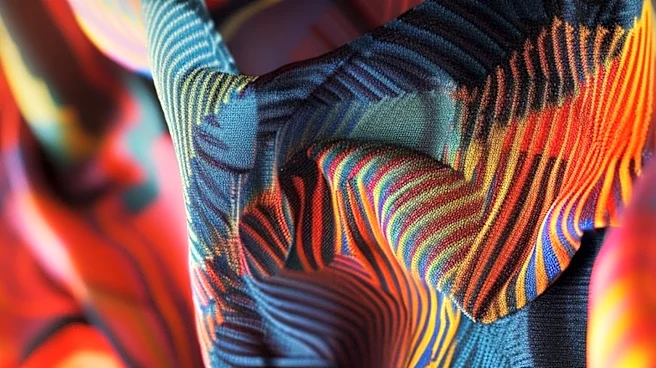
athletic performance. Key developments include the use of four-way stretch knit fabrics with high elongation (150-220%) and rapid recovery (over 90% within 30 seconds), typically incorporating 18-25% spandex for firm compression. Nylon-spandex blends are favored for their elastic recovery, abrasion resistance, and smooth feel, while polyester-spandex blends are chosen for superior moisture transport and quick-drying properties. Fabric weight, measured in grams per square meter (GSM), is crucial, with 200-280 GSM being common for leggings and cycling bibs to provide adequate muscle support without restricting movement. Additionally, advanced techniques like 3D knitting and seamless knitting are being utilized to create garments with targeted compression zones, integrated functional details like storage pockets, and micro-channel architectures for thermoregulation, all while minimizing friction and maximizing durability.
Why It's Important?
These advancements in compression wear are significant for athletes, fitness enthusiasts, and individuals seeking therapeutic benefits. For athletes, the precise muscle support and reduced vibration offered by these garments can delay fatigue, accelerate recovery, and potentially improve performance during high-exertion activities like ultra-marathons. The integration of features like moisture-wicking and thermoregulation ensures comfort and prevents chafing, which is crucial for prolonged wear. Beyond sports, these technologies have implications for medical applications, where graduated compression is used to manage conditions like swelling and varicose veins. The emphasis on measurable fabric properties and engineering ensures that compression garments deliver their intended benefits effectively, moving beyond mere branding to provide tangible physiological support. This also impacts the manufacturing sector, pushing for higher standards in textile production and encouraging innovation in material science and garment construction.
What's Next?
The future of compression wear will likely see continued integration of smart textiles and further refinement of knitting technologies. As consumer demand for high-performance and comfortable athletic apparel grows, manufacturers will focus on developing even more specialized fabrics that offer enhanced breathability, lighter weight, and improved durability. The trend towards personalized compression, potentially through custom 3D body scanning and tailored garment production, could also emerge, allowing for perfectly fitted and optimized support. Research into new fiber blends and finishes that offer additional benefits, such as antimicrobial properties or enhanced UV protection, will also be a key area of development. Furthermore, the application of these advanced compression technologies may expand into other sectors, such as occupational wear for professions requiring long periods of standing or medical garments for rehabilitation and post-operative care.
Beyond the Headlines
The evolution of compression wear reflects a broader trend in the apparel industry towards functional clothing that acts as an active performance tool rather than just a covering. This shift highlights the increasing convergence of textile science, biomechanics, and athletic performance. Ethically, the emphasis on measurable performance and scientific backing for claims can help consumers make more informed choices, moving away from marketing hype towards evidence-based product selection. Legally, as the therapeutic benefits of compression become more defined, there may be increased scrutiny on product claims and standardization of medical-grade compression garments. Culturally, the widespread adoption of compression wear in both athletic and everyday contexts signifies a growing awareness and prioritization of physical well-being and recovery, transforming how individuals approach their fitness and health routines. This also drives innovation in sustainable manufacturing practices as companies seek to produce high-performance textiles with reduced environmental impact.