




What's Happening?
The UVM Extension Master Gardener program has released essential winter care tips for backyard apple trees to help homeowners protect their orchards from common cold-weather issues. The recommendations focus on sanitation, pest deterrence, and protection
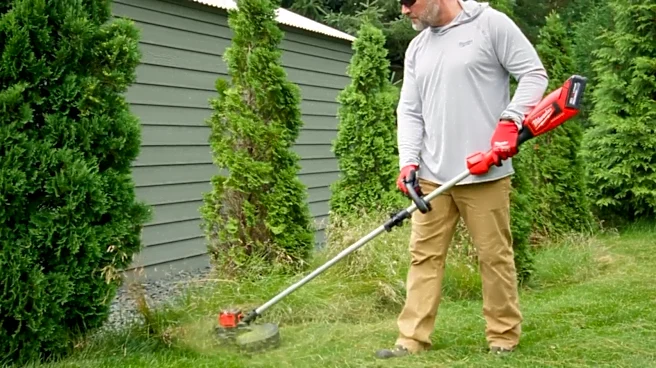
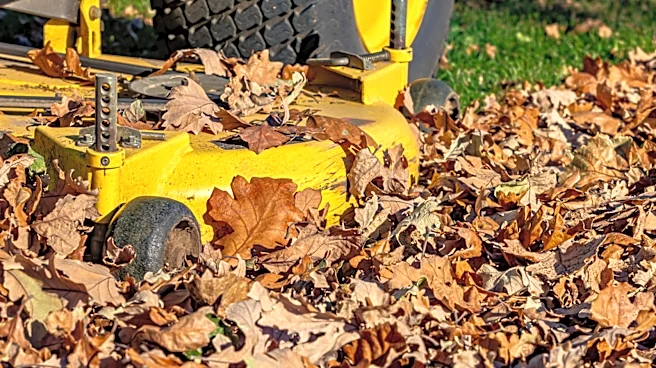
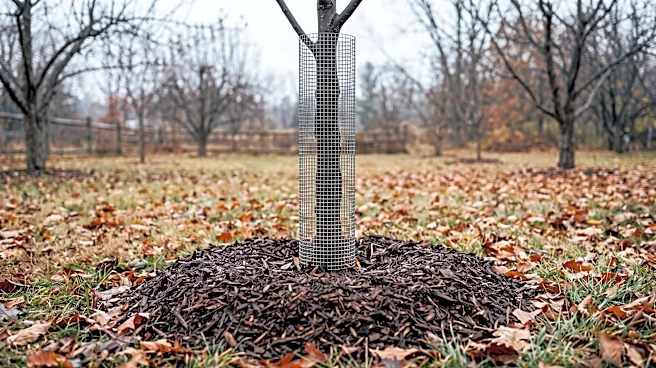
against environmental damage. Key practices include clearing fallen fruit and leaves to reduce overwintering pests and diseases. Homeowners are advised to mow or remove tall grass and weeds around tree trunks to deter rodents like voles and rabbits from feeding on the bark. Physical barriers such as tree wraps and homemade guards made from hardware cloth are also suggested to prevent rodent damage. For frost cracks, which are common in apple trees due to thin bark, painting the south and southwest sides of trees with diluted white interior latex paint can reflect sunlight and prevent sudden temperature changes that cause cracking. Additionally, applying a two-inch layer of wood chip mulch around the drip line helps protect roots from freezing temperatures.
Why It's Important?
These winter care tips are crucial for homeowners with backyard apple trees as they directly impact the health and productivity of their orchards. Neglecting proper winterization can lead to significant damage from pests, diseases, and environmental stressors like frost cracks and prolonged freezing temperatures. Rodent damage to tree bark can girdle young trees, leading to their death, while frost cracks can create entry points for diseases and weaken the tree structure. By implementing these preventative measures, homeowners can ensure their apple trees survive the winter in good condition, leading to healthier growth and better fruit yields in subsequent seasons. The advice also promotes sustainable gardening practices by reducing the need for chemical interventions through proactive pest and disease management.
What's Next?
Homeowners with apple trees should begin implementing these winter care practices as temperatures drop. The UVM Extension Master Gardener Helpline remains available online for specific questions regarding home orchards, gardens, or indoor plants. Continued vigilance throughout the winter months will be necessary to ensure the protective measures remain effective, especially after heavy snowfalls or extreme temperature fluctuations. In the spring, tree wraps should be removed, while homemade guards can remain in place year-round. Following these guidelines will prepare trees for the upcoming growing season, minimizing potential setbacks caused by winter damage and promoting a successful harvest.
Beyond the Headlines
The guidance from the UVM Extension Master Gardener program highlights a broader emphasis on accessible, science-based horticultural education for the public. By providing practical and inexpensive solutions, the program empowers individuals to maintain their home orchards effectively, fostering self-sufficiency and a deeper connection to food sources. This initiative also underscores the importance of local extension services in disseminating agricultural knowledge, contributing to community resilience and environmental stewardship. The focus on preventative measures rather than reactive treatments aligns with sustainable agriculture principles, encouraging practices that support long-term tree health and ecological balance in backyard environments.