




What's Happening?
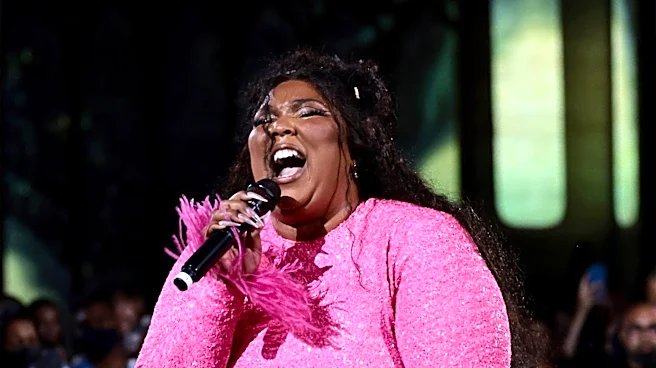
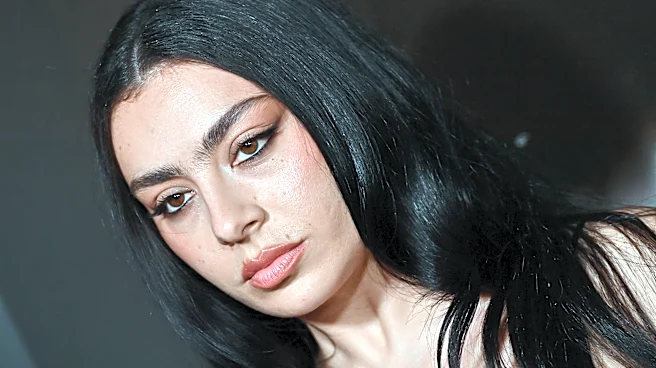
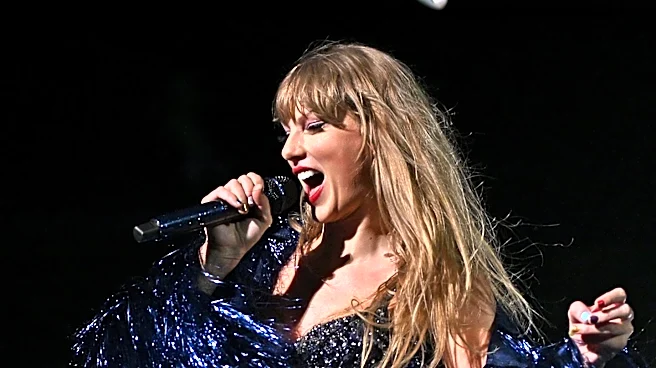
Lizzo, the American alternative hip hop artist, has publicly defended fellow singer Chloe Bailey against recent criticism regarding her music. Lizzo took to X (formerly Twitter) to express her support for Bailey, stating that Bailey possesses "endless
artistic talent" and is a "lighting rod for our attention, like every mega star from any generations past." Lizzo encouraged critics to allow Bailey to continue creating and building her legacy without constant scrutiny. This public endorsement comes after Bailey faced backlash for her holiday single, "Mrs. Claus Don’t Have 2 Know," and other musical directions. Lizzo's statement emphasized the importance of supporting artists and recognizing their unique contributions to music culture. The interaction has sparked varied reactions among fans on social media, with some agreeing with Lizzo's sentiment and others questioning Bailey's musical choices.
Why It's Important?
Lizzo's vocal support for Chloe Bailey highlights a significant aspect of the entertainment industry: the pressure and scrutiny artists face, particularly women of color. Her defense underscores the importance of solidarity among artists and challenges the often-harsh criticism prevalent on social media. This event could influence how fans and critics perceive Bailey's work, potentially fostering a more supportive environment for her artistic expression. Furthermore, Lizzo's stance reinforces her consistent advocacy for representation and authenticity in pop music, aligning with her own experiences as a Black, plus-size performer who has challenged industry norms. The conversation also brings to light the broader issue of artistic freedom versus public expectation, and how established artists can use their platform to uplift emerging talents.
What's Next?
Following Lizzo's public defense, it is possible that Chloe Bailey may see a renewed wave of support from fans and potentially other artists. The increased attention could lead to further discussions about artistic integrity and the role of social media in shaping public opinion about music. Bailey herself may choose to address the support or criticism in future statements or through her music. For Lizzo, this action further solidifies her image as an advocate for fellow artists and a champion of creative freedom. The incident may also encourage more public dialogue within the music industry about constructive criticism versus unwarranted negativity, potentially influencing how artists and their teams engage with public feedback.
Beyond the Headlines
This interaction between Lizzo and Chloe Bailey delves into deeper cultural and ethical dimensions within the music industry. It touches upon the often-unspoken pressures faced by artists, especially those who deviate from conventional expectations or who are subject to intense public scrutiny. Lizzo's intervention can be seen as a call for a more empathetic and understanding approach to artistic development, particularly for young artists navigating the complexities of fame and public opinion. It also subtly critiques the instant and often unforgiving nature of social media commentary, which can stifle creativity. The event could contribute to a broader conversation about mental health in the entertainment industry and the responsibility of both artists and audiences in fostering a supportive creative ecosystem, rather than one driven by constant judgment.