






What's Happening?
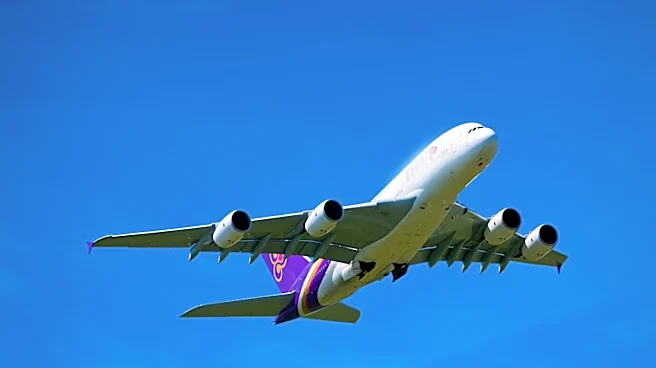
Shipping companies, freight forwarders, and business operators are demanding solutions for over 1,000 shipment sets reportedly stranded at a Thai Airways cargo warehouse at Suvarnabhumi International Airport. This backlog has caused significant delivery
disruptions and financial losses for importers and exporters. Complaints on social media highlight issues such as inability to receive or deliver goods on schedule, and problems with the tracking system preventing shipment monitoring. Some goods that arrived in late October and early November have yet to be registered or released. The crisis reportedly began in late September, coinciding with staff shortages and baggage problems at Thai Airways during flooding. The airline's attempts to clear the backlog have been hampered by staffing issues and problems with warehouse management systems, including an inability to identify goods' storage locations and a backlog in unloading cargo from containers. The AOT Cargo Clearhouse system is also reportedly displaying incorrect shipment statuses. Airports of Thailand (AOT) held a meeting with relevant organizations, including THAI Cargo, BFS Cargo, the Customs Department, the Thailand National Shippers’ Council, and the Thai Airfreight Forwarders Association, to address the situation.
Why It's Important?
The cargo delays at Suvarnabhumi Airport have significant economic implications, particularly for businesses reliant on timely imports and exports. Importers face production halts due to missing parts, while exporters risk failing to meet deadlines and losing customer trust. The inability to track shipments and the lack of clear communication from Thai Airways exacerbate the problem, leading to uncertainty and increased operational costs for freight forwarders and shipping companies. This situation underscores vulnerabilities in supply chain management and logistics infrastructure, which can have a ripple effect on various industries. The involvement of multiple stakeholders, including government agencies and industry associations, highlights the systemic nature of the issue and the need for a coordinated solution to restore confidence in the cargo handling process at a major international airport.
What's Next?
Following the AOT meeting, the Thai Airways cargo team plans to increase staffing and install Wi-Fi signal distributors within the warehouse to improve operations. They also intend to develop an application for real-time shipment tracking. The immediate priority is to process shipments that arrived before October 23, while new shipments will be handled through a more effective system. The Thai Airfreight Forwarders Association has urged THAI Cargo to issue an official statement explaining the situation and apologizing to affected parties, as well as providing urgent updates on each shipment. The association also called for a social media group to facilitate communication and problem-solving among freight forwarders and shipping companies. The effectiveness of these measures will determine how quickly the backlog is cleared and confidence in the cargo system is restored.
Beyond the Headlines
The cargo crisis at Suvarnabhumi Airport reflects broader challenges in global logistics, where unexpected events like staff shortages and natural disasters (flooding) can expose systemic weaknesses. The reliance on outdated or inefficient warehouse management systems, coupled with communication breakdowns, can severely impede the flow of goods. This incident highlights the critical need for robust digital transformation in logistics, including advanced tracking systems and transparent communication channels, to ensure resilience against disruptions. Furthermore, it underscores the importance of contingency planning and adequate staffing levels in critical infrastructure operations. The long-term implications could include businesses diversifying their shipping routes or seeking more reliable logistics partners, potentially impacting Thai Airways' cargo business and Suvarnabhumi Airport's reputation as a regional logistics hub.