

What's Happening?
Celebrity makeup artists Gabriella Elio and Nydia Figueroa have provided insights into distinguishing between warm and cool skin tones, emphasizing the importance of undertones in makeup selection. They explain that skin tone (fair, light, medium, tan,
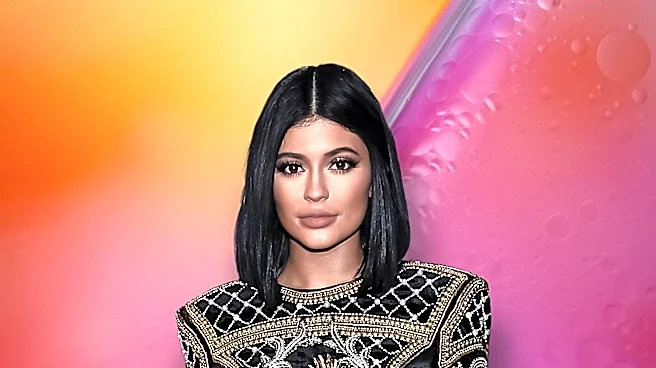
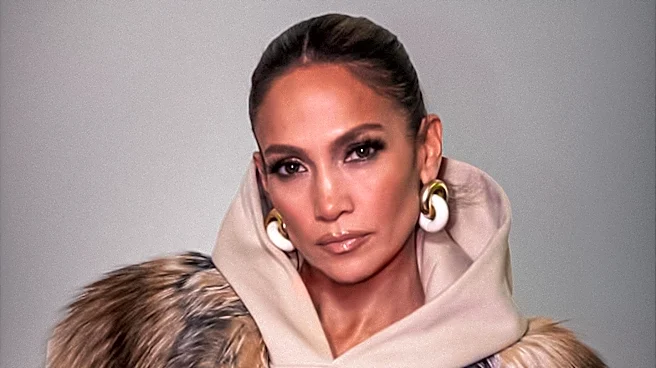
deep) can change, but undertones (warm, cool, neutral, olive) remain consistent. Warm skin tones exhibit shades of peach, yellow, and golden, as seen in celebrities like Jessica Alba and Jennifer Lopez. Cool skin tones, conversely, show hints of pink, red, rosy, or blue, with examples including Dakota Johnson and Lupita Nyong'o. The artists highlight that many individuals possess neutral undertones, a balance of both warm and cool, or olive undertones, which can lean warm, cool, or neutral. They advise against relying solely on facial appearance for undertone identification due to factors like redness and sun exposure, suggesting consideration of the neck, chest, and other visible body areas for a seamless foundation match.
Why It's Important?
Understanding one's skin undertone is crucial for U.S. consumers and the beauty industry, as it significantly impacts makeup choices, particularly foundation, blush, and lipstick. According to Elio, selecting the correct shades can instantly brighten the complexion and define features, leading to a more harmonious overall look. This knowledge helps consumers avoid purchasing products that appear mismatched or unnatural, thereby enhancing satisfaction and reducing product returns. For beauty retailers and brands, providing clear guidance on undertones can improve customer experience and sales by helping individuals find suitable products more efficiently. Figueroa notes that this understanding also extends beyond makeup to complementary jewelry, hair colors, and clothing, influencing broader fashion and personal styling decisions. While not a strict rulebook, this information serves as a valuable tool for informed beauty choices, benefiting both individual consumers and the beauty market.
What's Next?
The insights from makeup artists Elio and Figueroa are likely to influence how beauty brands market their products and how consumers approach makeup selection. We can anticipate an increased focus on undertone-specific product lines and educational content from beauty companies, aiming to simplify the process for consumers. Beauty professionals may also integrate these detailed explanations into their consultations, offering more personalized advice. Consumers are expected to become more adept at identifying their undertones, potentially leading to a shift in purchasing habits towards products explicitly designed for their specific undertone. This trend could also encourage the development of more sophisticated tools or apps that assist in undertone identification, further streamlining the beauty shopping experience. The emphasis on considering the neck and chest for foundation matching may also become a more widely adopted practice among makeup users.
Beyond the Headlines
The discussion around skin undertones delves deeper than mere cosmetic application; it touches upon the broader cultural and psychological aspects of self-perception and beauty standards. By providing tools for individuals to better understand their unique complexions, these insights can empower consumers to make choices that enhance their natural features rather than conforming to a singular, often unrealistic, beauty ideal. This nuanced approach to beauty can foster a more inclusive industry that caters to a wider range of skin tones and undertones, moving away from a 'one-size-fits-all' mentality. Ethically, it promotes authenticity and self-acceptance, encouraging individuals to work with their natural attributes. Furthermore, the emphasis on undertones highlights the scientific and artistic complexity of makeup artistry, elevating it beyond superficial application to a more informed and personalized craft. This shift could also influence how beauty education is structured, incorporating more detailed lessons on color theory and individual skin characteristics.