



What's Happening?
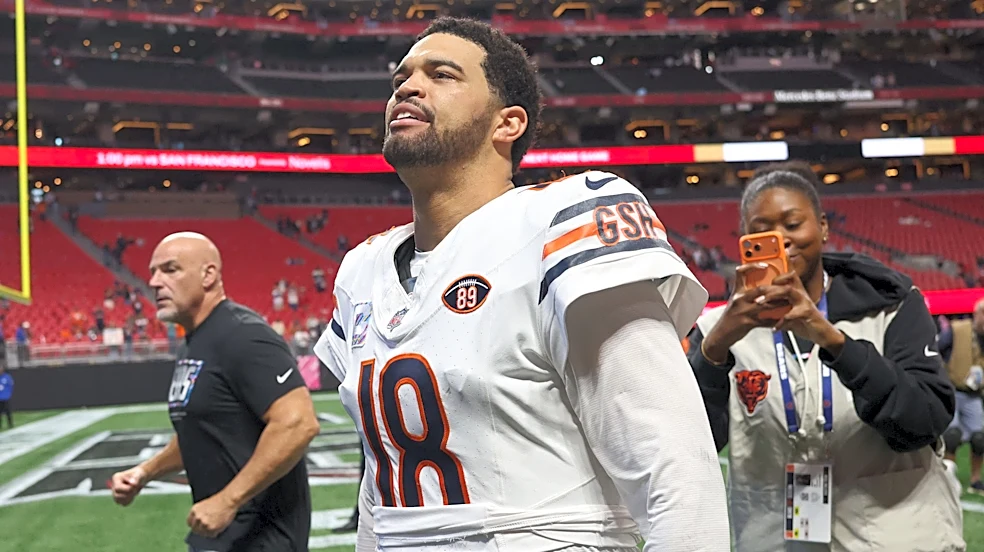
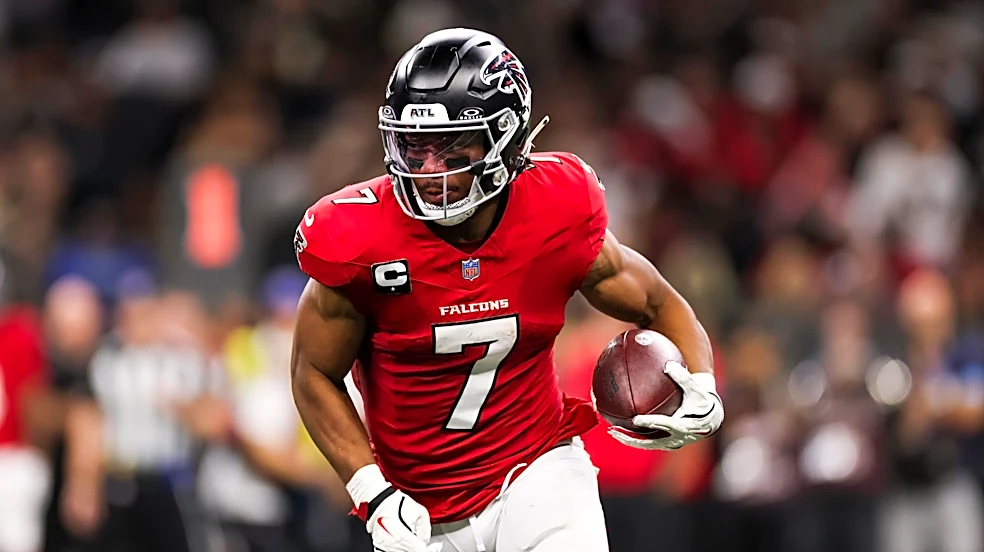
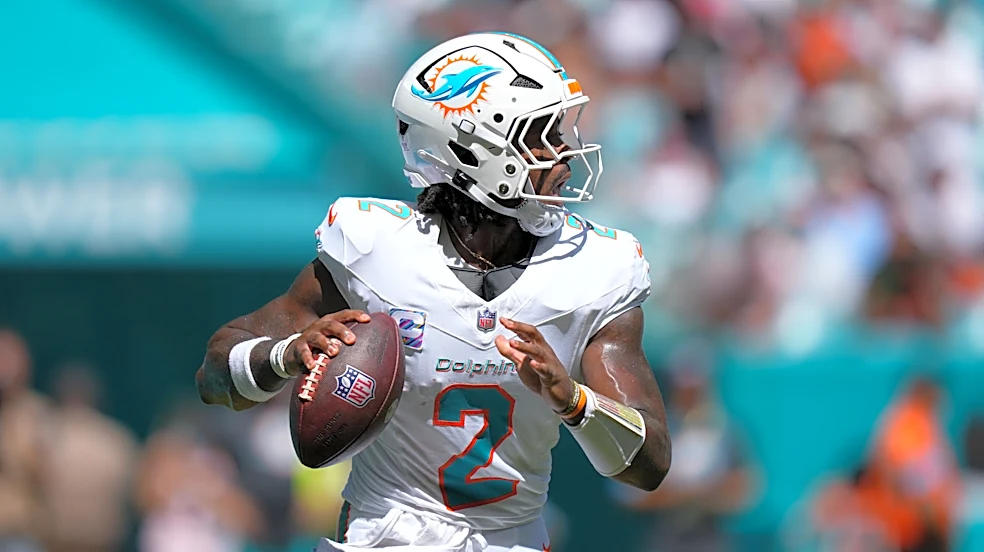
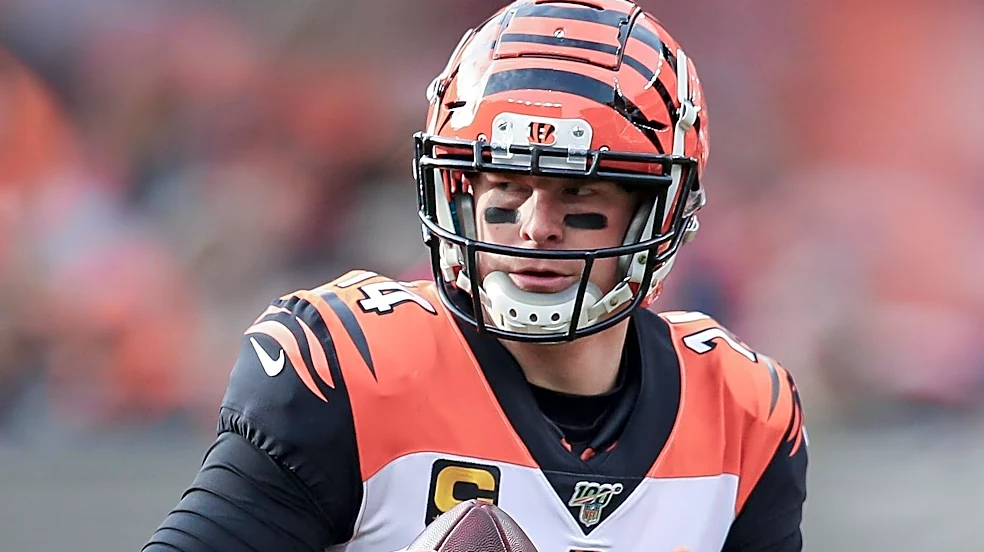
The Atlanta Falcons have signed veteran quarterback Andy Dalton and released backup Cooper Rush, as announced on Monday. This move comes a day after the Falcons' 31-23 loss to the Chicago Bears. Dalton is expected to join Tua Tagovailoa as a top backup to starting
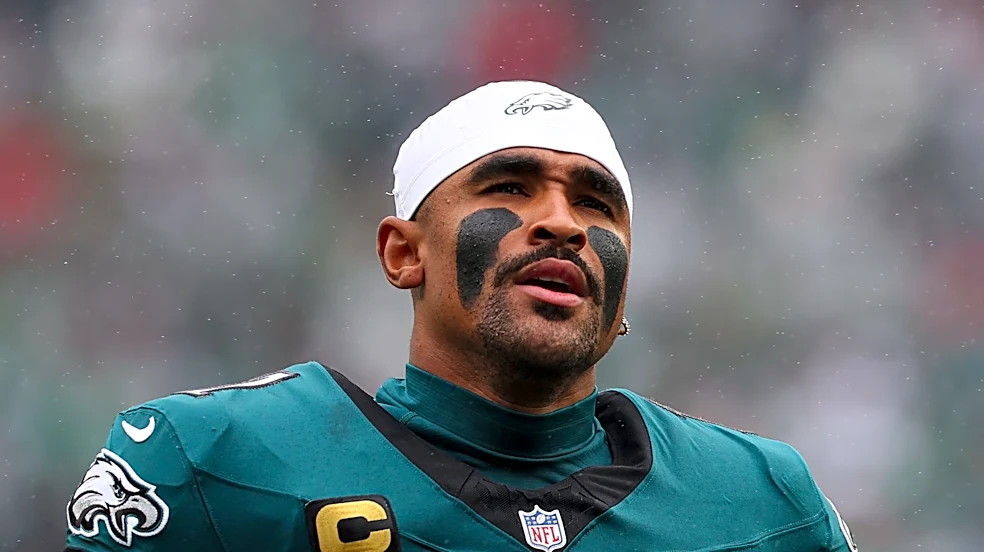
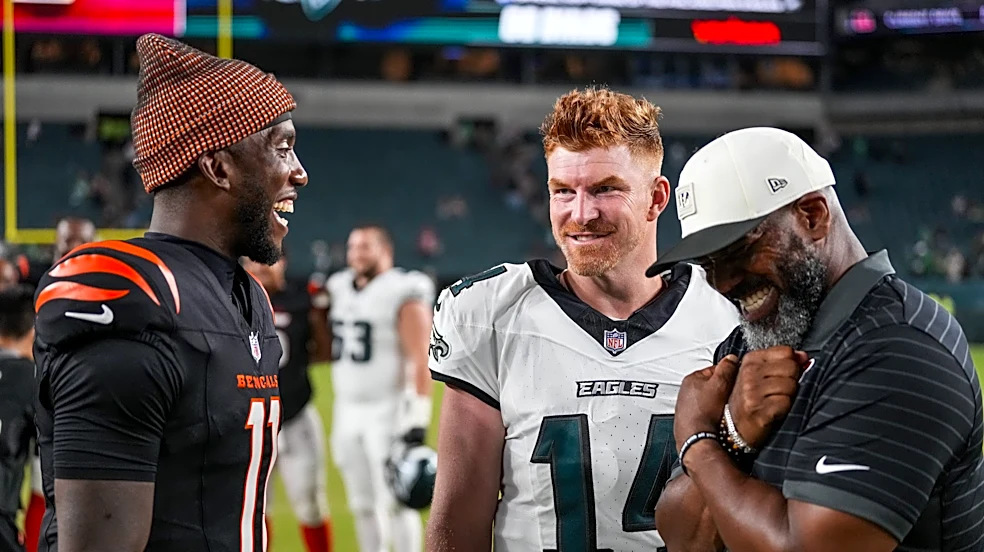
quarterback Michael Penix Jr. Penix Jr. has started the last four games for the Falcons, who currently hold a 2-4 record and are preparing to face San Francisco. According to Falcons coach Kevin Stefanski, general manager Ian Cunningham is continuously looking for ways to enhance the roster, and Dalton's availability presented an opportunity. Dalton, 38, was previously released by Philadelphia on October 9 after a brief stint as Jalen Hurts' backup. He was acquired by the Eagles from Carolina, where he made seven starts over three seasons. Dalton, a second-round pick in the 2011 draft, has made three Pro Bowls during his nine seasons with the Cincinnati Bengals and has also played for Dallas, Chicago, and New Orleans. His career statistics include completing 62.6% of his passes for 39,763 yards, 254 touchdowns, and 152 interceptions over 16 seasons, with an 84-83-2 record as a starter. Cooper Rush, 32, had a 0-2 record as Atlanta's starter, filling in while Penix Jr. recovered from a 2025 knee surgery and Tagovailoa was sidelined with an oblique injury. In his two starts, Rush completed 22 of 39 passes for 229 yards, one touchdown, and four interceptions.
Why It's Important?
This roster change highlights the Atlanta Falcons' ongoing efforts to solidify their quarterback depth, particularly as Michael Penix Jr. continues his recovery and development. The addition of a seasoned veteran like Andy Dalton provides an experienced presence in the quarterback room, offering mentorship to Penix Jr. and a reliable backup option should injuries or performance issues arise. Dalton's extensive NFL experience, including multiple Pro Bowl selections, could be invaluable for a team looking to build around a young starter. Conversely, the release of Cooper Rush indicates the team's assessment of his performance during his brief starting tenure, suggesting a need for more consistent and impactful backup play. This decision reflects the high-stakes nature of quarterback performance in the NFL, where even backup roles are scrutinized for their potential to influence team success. The move also signals the Falcons' commitment to supporting Penix Jr. while ensuring they have contingency plans in place, which is crucial for maintaining competitiveness throughout a demanding season.
What's Next?
The immediate next step for the Falcons is to integrate Andy Dalton into the team's system and get him up to speed, as noted by Coach Stefanski. While Tua Tagovailoa is likely to remain the No. 2 quarterback for the upcoming game against the San Francisco 49ers, Dalton's presence will create a more robust backup situation. The coaching staff will focus on familiarizing Dalton with the playbook and his new teammates. For Michael Penix Jr., the pressure to perform consistently will likely intensify, as the team has now invested in experienced backups. His performance in the coming weeks will be critical in solidifying his position as the long-term starter. The Falcons' overall season trajectory, currently at 2-4, will heavily depend on Penix Jr.'s continued development and the effectiveness of the entire offensive unit. The team will also monitor Tagovailoa's health and readiness to ensure a strong contingency plan is always in place.
Beyond the Headlines
The signing of Andy Dalton goes beyond merely adding a backup quarterback; it reflects a strategic organizational philosophy regarding player development and risk management. By bringing in a veteran with a long and successful career, the Falcons are not only securing a capable emergency option but also providing a valuable resource for Michael Penix Jr.'s growth. Dalton's experience in various NFL systems and his ability to manage games could serve as a practical guide for Penix Jr. as he navigates the complexities of being a starting quarterback. This move also underscores the competitive nature of NFL roster spots, where even a brief period of underperformance can lead to a player's departure. The Falcons' decision to prioritize experience and stability at the backup quarterback position suggests a cautious yet forward-thinking approach to building a sustainable winning team, aiming to mitigate potential disruptions and foster a supportive environment for their young franchise quarterback.