








What's Happening?
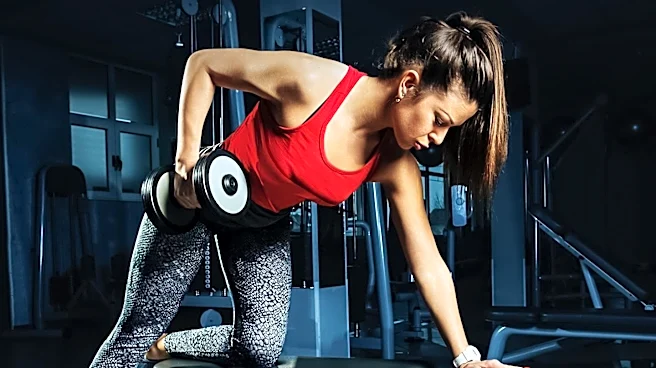
Post-menopausal standing routines should integrate aerobic activities, resistance exercises, and balance training to support overall health. Simple yet effective exercises include squats, wall push-ups, step-ups, and movements utilizing resistance bands.
Everyday activities such as walking, stair climbing, and dancing are also beneficial. Resistance training is highlighted as a crucial method for maintaining muscle mass, which can be achieved through weights, resistance bands, or bodyweight exercises. This approach helps women preserve strength and improve their ability to perform daily tasks. It is not necessary to start with an intense gym regimen; instead, a gradual introduction to these exercises is recommended. For women new to exercise or those with existing medical conditions, consulting a healthcare professional or a qualified trainer for personalized guidance is advised. These routines are particularly important post-menopause due to hormonal changes that can affect muscle and bone density.
Why It's Important?
The emphasis on specific exercise routines for post-menopausal women is critical due to the physiological changes that occur during this life stage. Declining estrogen levels post-menopause can accelerate bone loss, increase the risk of osteoporosis, and contribute to a decrease in muscle mass. By incorporating a combination of aerobic, resistance, and balance training, women can actively mitigate these risks. Maintaining muscle strength is vital not only for physical capability but also for metabolic health, as muscle tissue helps regulate blood sugar. Furthermore, weight-bearing and resistance activities stimulate bone health, reducing the functional consequences of aging and lowering the risk of fractures. This proactive approach to physical activity can significantly impact long-term independence and quality of life, addressing health concerns that are prevalent in older women.
What's Next?
As awareness of post-menopausal health needs grows, there is an increasing focus on tailored exercise programs. Healthcare providers and fitness professionals are likely to further integrate these recommendations into their guidance for older women. The trend suggests a move towards more personalized exercise plans that consider individual health status, fitness levels, and specific post-menopausal symptoms. Research will continue to refine optimal exercise types, intensities, and frequencies for this demographic. Additionally, there may be an increase in specialized fitness classes and programs designed specifically for post-menopausal women, emphasizing safe and effective ways to build strength, improve balance, and maintain cardiovascular health. Educational initiatives will also play a role in informing women about the benefits and practical implementation of these routines.
Beyond the Headlines
The focus on post-menopausal standing routines extends beyond mere physical fitness; it touches upon broader societal implications regarding healthy aging and women's health. By promoting specific exercise strategies, there's a shift towards empowering women to take proactive control of their health during a significant life transition. This approach challenges the traditional view of aging as a period of inevitable decline, instead advocating for sustained vitality and independence. Ethically, it underscores the importance of accessible and tailored health information and resources for all age groups. Culturally, it may contribute to a more positive perception of aging, particularly for women, by highlighting the benefits of maintaining physical activity and strength throughout life. This also has economic implications, as a healthier aging population can reduce healthcare burdens and contribute more actively to society.