








What's Happening?
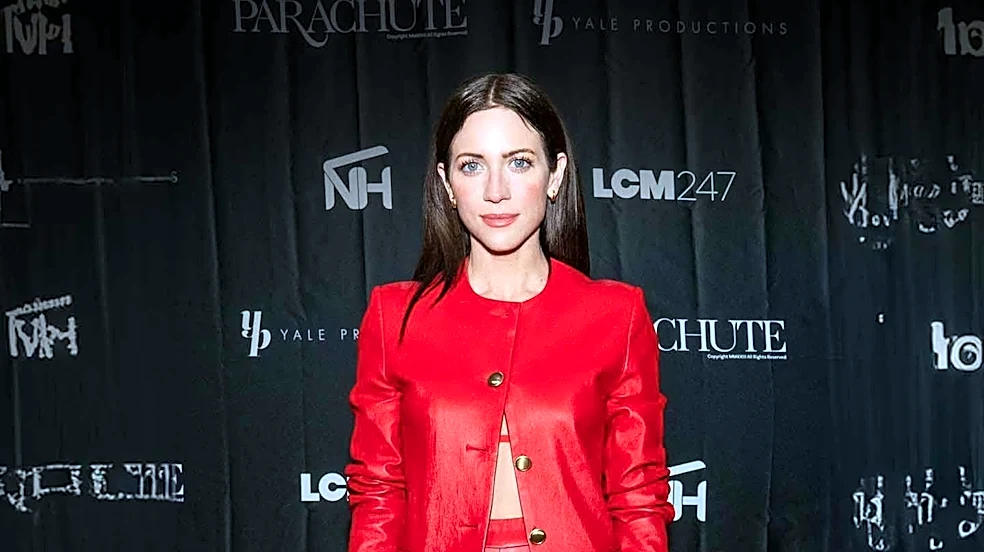
Actress Brittany Snow was among a distinguished group of attendees at Falconeri's 'Galleria Falconeri' event, held on October 14th at The Brant Foundation in New York City's East Village. The event was an immersive showcase designed to highlight Falconeri's signature
Ultrafine Cashmere, presenting the material as an artistic medium. Installations throughout the gallery featured cashmere twisted, pulled, and sewn into various unique forms, challenging traditional perceptions of the material. Sandro Veronesi, Chairman of Oniverse, Falconeri’s parent company, emphasized the brand's commitment to natural fibers and Italian craftsmanship, noting New York as the ideal location to merge these values with art, design, and contemporary culture. The event also featured Paris-based artist Tiffany Bouelle, who created live paintings, and a partnership with Italian lighting company Flos to control focus and emphasis within the exhibits.
Why It's Important?
This event signifies a growing trend in luxury retail and fashion to create immersive, art-centric experiences for brand promotion, moving beyond traditional marketing. For Falconeri, it reinforces its brand identity as a purveyor of high-quality, artfully crafted cashmere, potentially attracting a broader, more culturally engaged clientele in the U.S. market. The involvement of celebrities like Brittany Snow and other notable figures generates significant media attention and social buzz, enhancing brand visibility and desirability. This approach can influence consumer perceptions of luxury goods, positioning them not just as products but as elements of a sophisticated lifestyle and artistic expression. The collaboration with artists and designers also highlights the intersection of fashion, art, and technology, setting a precedent for future experiential marketing strategies within the U.S. luxury sector.
What's Next?
The success of 'Galleria Falconeri' may encourage other luxury brands to adopt similar experiential marketing strategies, focusing on immersive art installations and celebrity endorsements to engage consumers. Falconeri could potentially replicate this model in other major U.S. cities or expand its artistic collaborations to further integrate its products into the cultural landscape. The event's emphasis on cashmere as an artistic medium might also inspire new design trends and applications for the material within the fashion industry. Future brand initiatives could involve more direct consumer participation in artistic creation or educational programs that highlight the craftsmanship behind luxury textiles. The positive reception from attendees and media could lead to increased sales and brand loyalty for Falconeri in the competitive U.S. luxury market.
Beyond the Headlines
The 'Galleria Falconeri' event reflects a broader cultural shift where luxury brands are increasingly becoming patrons and facilitators of art, blurring the lines between commerce and culture. This trend can elevate the perceived value of products by associating them with artistic merit and intellectual engagement. Ethically, it raises questions about the commodification of art and whether such events genuinely foster artistic appreciation or primarily serve as sophisticated marketing ploys. Legally, partnerships with artists and cultural institutions require careful navigation of intellectual property rights and branding agreements. Culturally, these events contribute to the ongoing dialogue about the role of fashion in contemporary art and the evolving nature of luxury consumption, where experiences and narratives are as important as the products themselves. This approach could also influence how consumers perceive sustainability and craftsmanship in the luxury sector, as brands seek to highlight the artistry and natural origins of their materials.