

What's Happening?
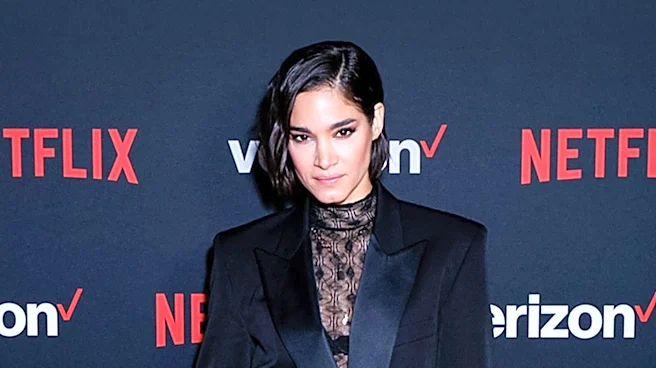
Anya Taylor-Joy's acclaimed performance in 'Gambito de dama' (The Queen's Gambit) has significantly contributed to the resurgence of chess in popular culture, demonstrating its enduring appeal within Hollywood. The series showcased how a compelling narrative
can elevate chess to a prominent position in the public imagination. This is part of a long-standing tradition where Hollywood has embraced chess, not merely as a prop, but as a symbol of strategic thinking and intellectual depth. From classic cinema figures like Humphrey Bogart, who was a serious chess player and even served as a director for the U.S. Chess Federation, to contemporary actors such as Tobey Maguire, Will Smith, and Keanu Reeves, many have found a connection with the game. The article highlights how chess has been a consistent presence, influencing filmmakers like Stanley Kubrick and providing a mental refuge for actors in an industry often characterized by immediacy and digital effects.
Why It's Important?
The continued integration of chess into Hollywood narratives, exemplified by Anya Taylor-Joy's role, underscores the game's unique ability to captivate audiences and convey complex themes. This trend is important because it promotes intellectual engagement and strategic thinking in an entertainment landscape often dominated by fast-paced action. For the U.S. entertainment industry, stories centered on chess offer a rich vein of dramatic potential, appealing to a diverse audience that appreciates both intellectual challenge and compelling character development. The success of 'Gambito de dama' demonstrates that there is a significant market for content that explores mental prowess and strategic depth, potentially influencing future production choices and encouraging more nuanced storytelling. This also benefits the chess community by increasing visibility and interest in the game, potentially leading to greater participation and appreciation.
What's Next?
The success of productions like 'Gambito de dama' suggests a potential for more chess-themed content in Hollywood, as creators recognize the game's narrative power and audience appeal. This could lead to further exploration of chess in films, television series, and documentaries, potentially inspiring new generations to engage with the game. The renewed interest might also translate into increased support for chess organizations and educational programs in the U.S., as the cultural impact of such portrayals often extends beyond entertainment. Furthermore, the emphasis on strategic thinking and intellectual challenge could influence broader cultural conversations about the value of critical thought and mental discipline in an increasingly digital world. The industry may seek to replicate the success by investing in similar intellectual properties.
Beyond the Headlines
The enduring fascination with chess in Hollywood, as highlighted by Anya Taylor-Joy's impact, points to deeper cultural implications. Chess serves as a powerful metaphor for life's strategic challenges, ethical dilemmas, and the pursuit of excellence. It offers a stark contrast to the often superficial aspects of modern entertainment, providing a space for reflection and intellectual rigor. The game's ability to reveal character, as seen in the contrasting lives of chess masters like Albert S. Pinkus and Norman Tweed Whitaker, underscores the idea that intellectual brilliance does not always equate to moral integrity. This cultural phenomenon encourages a re-evaluation of what constitutes valuable entertainment, advocating for content that stimulates the mind and explores the complexities of human nature, rather than solely focusing on escapism. It champions the human right to reflective pause and critical thinking.