



What's Happening?
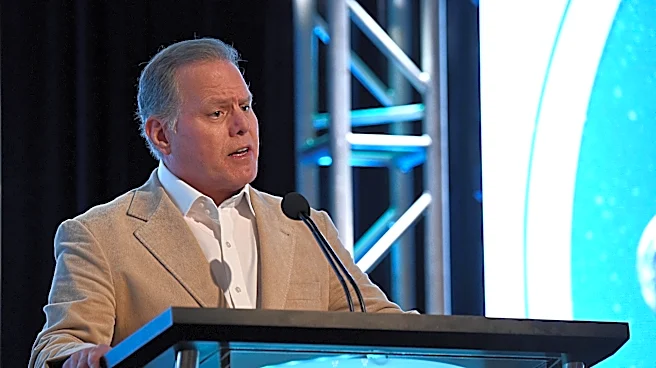
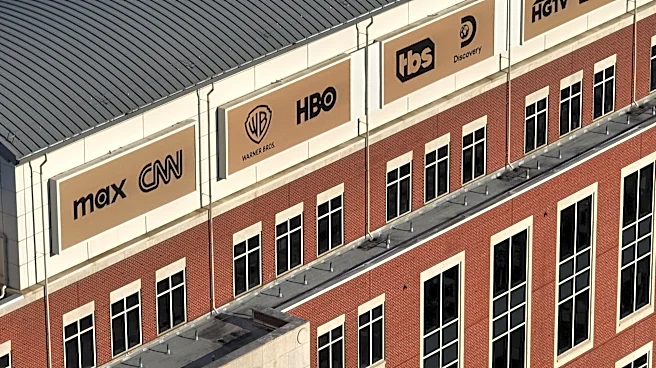
In 2023, following the merger of Warner Bros. and Discovery, CEO David Zaslav implemented a strategy that included the cancellation of completed film projects. This decision was not due to budget overruns or issues with the film's star, but rather a calculated
move to save on marketing and global distribution costs. Additionally, these cancellations allowed the company to claim tax write-offs. One notable instance involved a hybrid Looney Tunes production, 'Coyote Vs. ACME,' which was reportedly slated for cancellation after its completion. This approach, described as having a 'capitalistic zeal,' aimed to optimize financial outcomes for the newly merged entity. The film was ultimately saved when Warner Bros. decided to sell its rights, with Ketchup Entertainment acquiring the production.
Why It's Important?
This strategy by Warner Bros. Discovery CEO David Zaslav highlights a significant shift in Hollywood's approach to film production and distribution, prioritizing financial maneuvers over creative output. The cancellation of completed films for tax benefits and cost savings could set a precedent, potentially leading other major studios to adopt similar practices. This could impact filmmakers, actors, and crew members who invest time and effort into projects that may never see the light of day, even after completion. For audiences, it means a potential reduction in the diversity of content available, as financially driven decisions might overshadow artistic merit. The move also underscores the increasing influence of corporate finance in the entertainment industry, where mergers and acquisitions can lead to drastic changes in content strategy and production pipelines.
What's Next?
The controversial decision to cancel completed films for financial gain has already sparked protests from fans and the film community. This public backlash could influence future decisions by Warner Bros. Discovery and other studios, potentially leading to a reevaluation of such aggressive cost-cutting measures. The sale of 'Coyote Vs. ACME' to Ketchup Entertainment suggests a possible alternative path for projects deemed financially unviable by larger studios, where smaller distributors might step in to release them. This could create a niche market for films that are creatively sound but do not fit the financial models of major corporations. Stakeholders, including industry guilds and creative talent, may advocate for contractual protections against such cancellations in the future, aiming to safeguard artistic endeavors from purely financial considerations.
Beyond the Headlines
The practice of canceling completed films for tax write-offs raises ethical questions about the value placed on creative work within the entertainment industry. It suggests a system where artistic products can be treated as disposable assets, primarily valued for their financial implications rather than their cultural or entertainment worth. This approach could foster a climate of uncertainty for creators, potentially stifling innovation and risk-taking in filmmaking. Furthermore, it highlights the broader implications of corporate consolidation, where large mergers can lead to significant shifts in operational philosophy, often prioritizing shareholder value over other considerations. The 'Coyote Vs. ACME' film, ironically, gained additional relevance by being a production that satirizes corporatism, making its near-cancellation a meta-commentary on the very themes it explores.