


What's Happening?
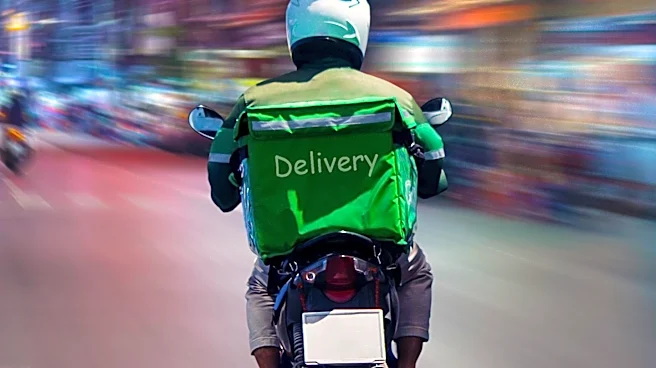
The U.S. food delivery market is experiencing a significant surge in competition, characterized by an escalation of 'free delivery wars' and the entry of major retailers. Dominant platforms like DoorDash and Uber Eats are expanding their free delivery offerings
and enhancing benefits for paid subscribers. Simultaneously, new players such as Walmart and Wonder are entering the fray, often combining food delivery with grocery delivery to capture market share. This intensified competition is partly driven by rising U.S. grocery prices, which are making home cooking more expensive and shifting consumer preferences towards delivery services. Companies are seeking new growth engines as their share prices have declined, leading to strategic partnerships and acquisitions, such as Uber Eats teaming up with Amazon and DoorDash acquiring Instacart.
Why It's Important?
This escalating competition in the U.S. food delivery market has significant implications for consumers, businesses, and the broader economy. For consumers, the 'free delivery wars' and bundled subscription benefits could lead to lower costs and increased convenience for meal and grocery delivery. However, the long-term sustainability of these aggressive pricing strategies remains uncertain, as restaurants face their own rising ingredient costs and may adjust menu prices. For businesses, the entry of giants like Walmart and Amazon, leveraging their existing logistics networks, poses a substantial challenge to established delivery platforms. This competitive pressure is driving innovation in delivery models, such as bundling food and grocery orders, and exploring new technologies like robotics to reduce operational costs, ultimately reshaping the landscape of the food service and retail industries.
What's Next?
The U.S. food delivery market is expected to continue its rapid evolution, with further consolidation and diversification of services. Companies will likely continue to explore strategic partnerships and acquisitions to expand their reach and offer more comprehensive services, combining food, grocery, and even ride-hailing benefits. The focus will remain on increasing transaction volume and customer loyalty through competitive pricing and bundled offerings. The adoption of new technologies, such as robotics for food preparation by companies like Wonder, could become more widespread as platforms seek to reduce costs and improve efficiency. The long-term impact on restaurant profitability and consumer spending habits will depend on how these competitive dynamics play out and whether the industry can find a sustainable balance between aggressive pricing and operational costs.
Beyond the Headlines
The intense competition in the U.S. food delivery market highlights a broader societal shift towards convenience and on-demand services. As consumers increasingly rely on delivery for meals and groceries, there are deeper implications for local economies, urban planning, and environmental sustainability. The proliferation of delivery vehicles could exacerbate traffic congestion and carbon emissions, prompting calls for more sustainable logistics solutions. Furthermore, the pressure on restaurants to participate in these platforms, often at reduced margins, raises questions about the viability of independent eateries and the concentration of power within a few large delivery companies. The 'free delivery wars' might offer short-term benefits to consumers, but the long-term effects on labor practices, food waste, and the overall food ecosystem warrant careful consideration.