





What's Happening?
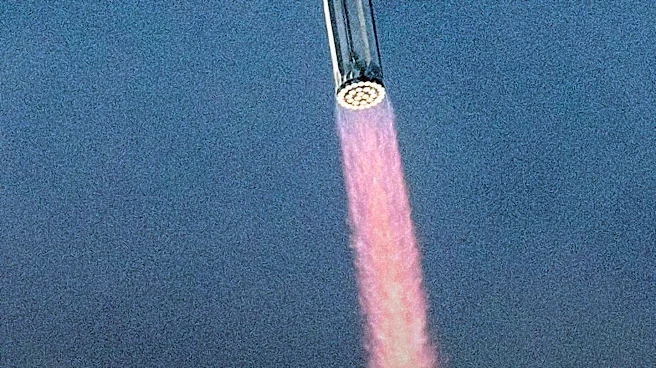
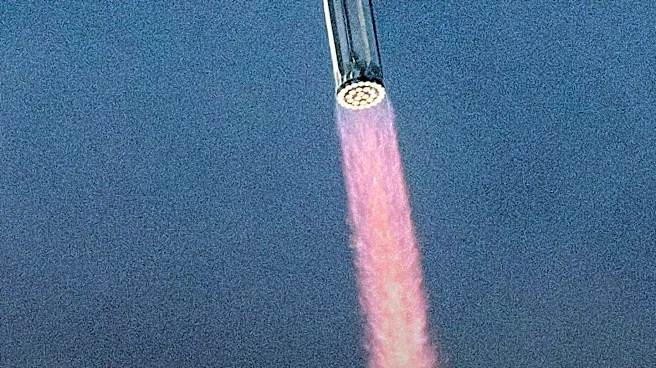
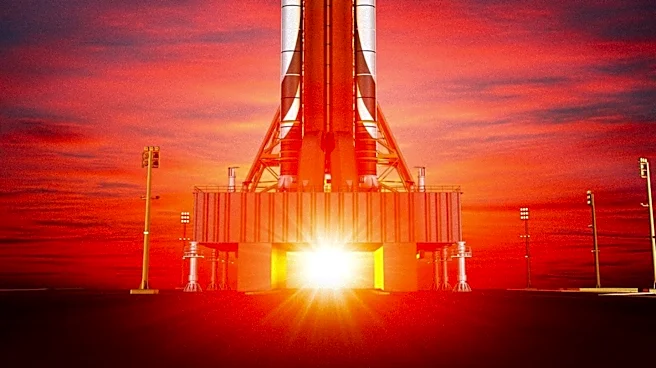
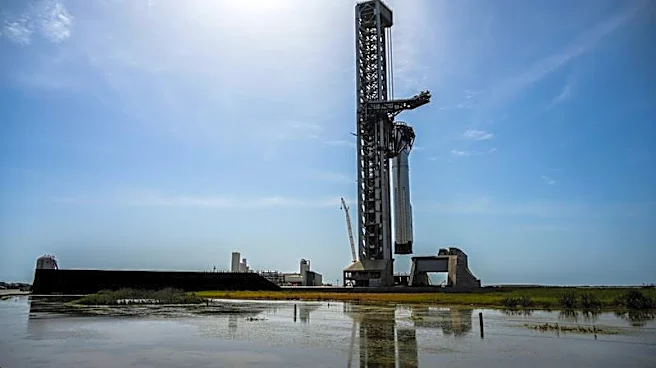
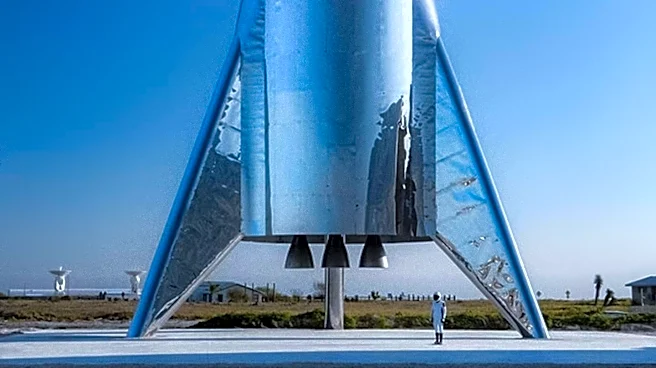
SpaceX's Starship Flight 13 was aborted at ignition due to a failure of four Raptor engines on Booster 20 at Starbase, Texas. The mission was intended to carry the first 'V3' Starlink satellites, marking a significant milestone for SpaceX's satellite constellation.
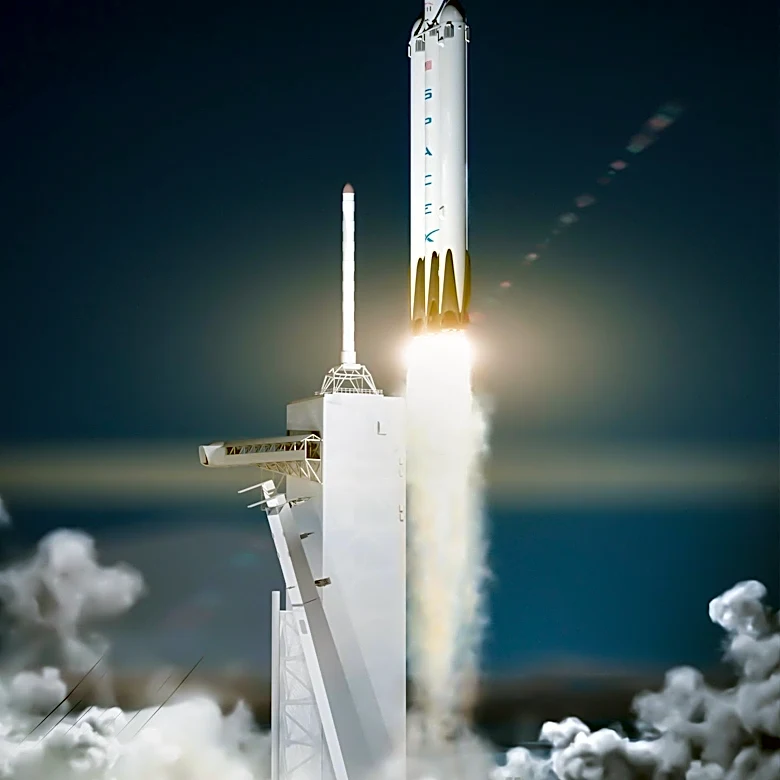
Elon Musk confirmed the engine-related fault, and propellant was offloaded with a new attempt expected soon. Meanwhile, a Falcon 9 successfully launched 21 York Space Systems satellites for the Space Development Agency's Tranche 1 Transport Layer from Vandenberg. The Starlink constellation continues to operate with over 10,800 satellites in orbit.
Why It's Important?
The abort of Starship Flight 13 highlights ongoing challenges in SpaceX's ambitious test campaign for its next-generation spacecraft. The failure raises questions about the reliability of the Raptor engines and the readiness of Starship for future missions. The successful Falcon 9 launch underscores SpaceX's role in supporting military satellite networks, which are crucial for data relay and communications. The development of 'V3' Starlink satellites is pivotal for expanding bandwidth and reducing latency, impacting global internet connectivity and SpaceX's commercial satellite operations.
What's Next?
SpaceX is expected to conduct a thorough investigation into the engine failure before attempting another launch. The timeline for the next attempt remains uncertain, pending the outcome of the investigation. The debut of 'V3' Starlink satellites will be closely watched by industry analysts for its impact on satellite performance and network capabilities. SpaceX's continued launches for the Space Development Agency will further enhance military communications infrastructure.