





What's Happening?
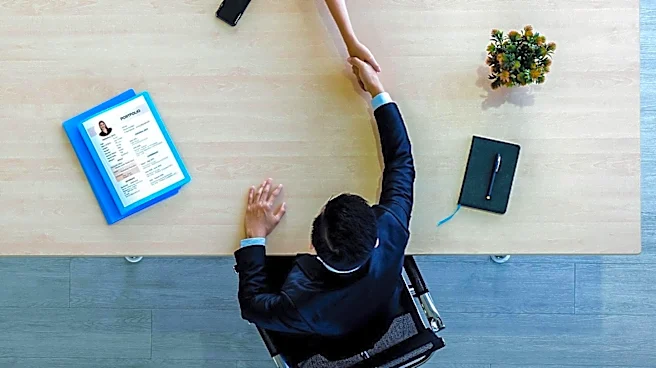
Volunteering at Fashion Week events can significantly enhance an individual's resume, providing valuable experience for those seeking internships, entry-level positions, or other opportunities within the fashion industry. According to Stephanie Williams,
writing for Fashion Mingle, the key is to effectively present this experience by highlighting contributions, developed professional skills, and the relevance of the experience to desired roles. Instead of merely listing tasks, volunteers should demonstrate initiative, communication, attention to detail, and the ability to work under pressure. Examples of volunteer roles include assisting backstage with dressing models, checking in guests, supporting production teams, or organizing wardrobe areas. The advice emphasizes treating volunteer experience as relevant professional experience, giving it a clear title, describing responsibilities, and showcasing skills pertinent to the target job.
Why It's Important?
For aspiring fashion professionals in the U.S., leveraging Fashion Week volunteer experience is crucial for breaking into a highly competitive industry. Many entry-level positions and internships require practical experience, which volunteering can provide. This approach allows individuals to gain hands-on knowledge of event logistics, styling, production, and public relations, making them more attractive candidates to potential employers. By articulating specific contributions and developed skills, volunteers can bridge the gap between academic knowledge and industry demands. This not only benefits individuals by accelerating their career progression but also helps the fashion industry by cultivating a skilled and dedicated workforce. The emphasis on discretion and professionalism, particularly regarding confidential event details, also instills important ethical practices in new entrants.
What's Next?
Individuals who have volunteered at Fashion Week are encouraged to tailor their resumes for each job application, emphasizing skills and experiences most relevant to the target role. This involves identifying key skills mentioned in job descriptions and connecting them to their volunteer duties. Furthermore, volunteers should consider asking for references from supervisors or team leads who observed their work directly, ensuring they obtain permission before listing anyone. Building a professional portfolio or online profile, such as on platforms like Fashion Mingle, is also recommended to showcase approved work samples and relevant projects. These steps are vital for translating volunteer efforts into tangible career opportunities and demonstrating a commitment to the fashion industry.
Beyond the Headlines
The guidance on Fashion Week volunteering extends beyond mere resume building, touching upon the broader professional development and networking aspects crucial in the fashion world. It highlights the importance of discretion, professionalism, and ethical conduct, particularly when dealing with sensitive information or high-profile events. The advice to focus on contributions rather than just tasks encourages a proactive and results-oriented mindset, which is valuable in any professional setting. Moreover, the emphasis on tailoring applications and seeking references underscores the importance of strategic career planning and relationship building. This holistic approach to leveraging volunteer experience can empower individuals to not only secure jobs but also to build sustainable careers within the dynamic and often demanding fashion industry.