






What's Happening?
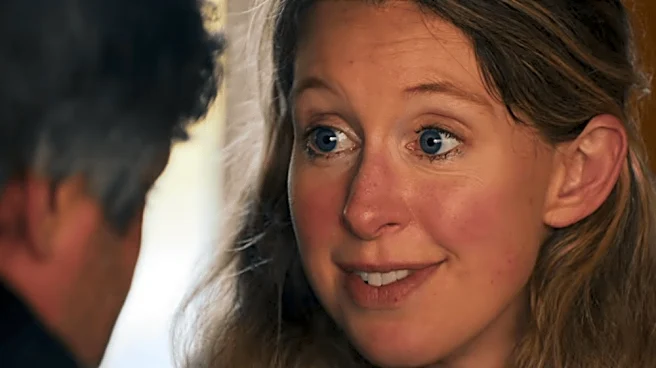
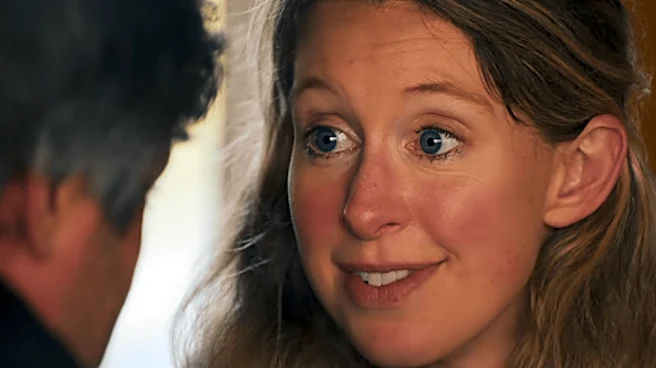
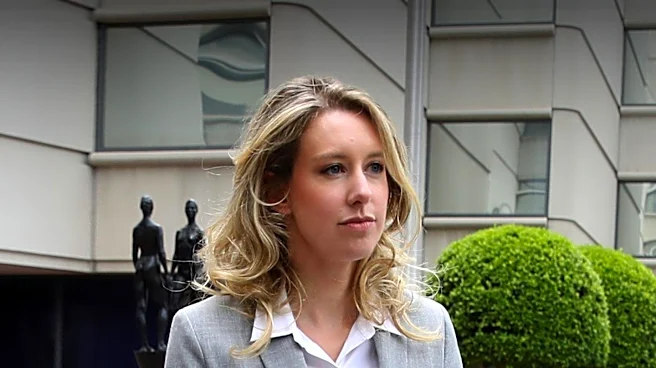
Documentarian Errol Morris has shared his perspective on Elizabeth Holmes, the founder of the now-defunct blood-testing startup Theranos, in light of a new documentary titled 'You Can See Everything.' This film, directed by Nathan Fielder and Lance Oppenheim,
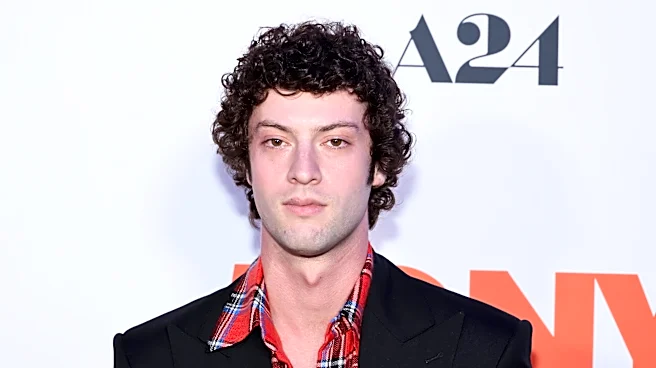
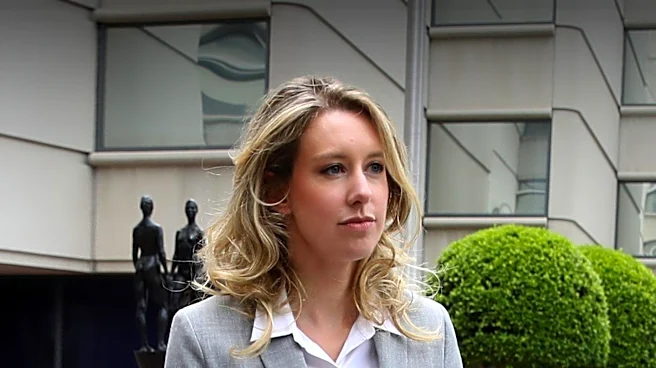
chronicles Holmes's life and her partner Billy Evans's in the 34 days leading up to her imprisonment in May 2023 for federal fraud charges. Morris, who previously directed commercials for Theranos and interviewed Holmes at the peak of her fame, notes the public's fascination with whether Holmes was genuinely deceptive or self-deceived. He admits that, like many others, he did not initially perceive her as a fraud during their earlier interactions, finding her compelling. His current reflections contrast Holmes at her zenith with her post-conviction reality, highlighting the public's shift in perception from admiration to condemnation.
Why It's Important?
The continued public and media interest in Elizabeth Holmes and the Theranos scandal underscores significant issues within the U.S. business and technology sectors, particularly regarding startup culture, investor due diligence, and the ethics of innovation. The case serves as a cautionary tale about the potential for self-deception and outright fraud in high-stakes ventures, impacting investor confidence and regulatory scrutiny. For the healthcare industry, it highlights the critical need for rigorous scientific validation and transparency, especially when dealing with medical technologies that promise revolutionary changes. The narrative also reflects on the broader societal tendency to be swayed by charismatic figures and compelling narratives, even in the absence of concrete evidence, prompting discussions on media responsibility and public skepticism.
What's Next?
The release of 'You Can See Everything' is expected to reignite public discourse surrounding Elizabeth Holmes's case, her conviction, and the broader implications for corporate accountability. This new documentary, along with Morris's commentary, will likely prompt further analysis of the psychological aspects of fraud and self-deception in leadership. It may also influence how future documentaries and media portray individuals involved in high-profile legal cases, particularly those with a complex public image. The ongoing interest could also lead to renewed discussions among legal and business ethics experts about preventing similar incidents and strengthening oversight mechanisms in rapidly evolving industries.
Beyond the Headlines
The enduring fascination with Elizabeth Holmes extends beyond the immediate legal and financial ramifications of the Theranos collapse. It delves into deeper questions about the nature of truth, perception, and the human capacity for self-deception, themes that Errol Morris frequently explores in his work. The story challenges the romanticized view of startup founders and the 'fake it till you make it' ethos, revealing the severe consequences when ambition overrides ethical boundaries and scientific integrity. Culturally, it reflects a societal struggle to distinguish between genuine innovation and elaborate deception, particularly in an era where technological advancements are often presented with immense hype. The case also raises questions about the role of media in both elevating and ultimately exposing such figures.