









What's Happening?
Domestic steelmakers have informed the Congressional Steel Caucus that the enforcement of Section 232 tariffs is crucial for sustaining higher production levels, new investments, and the reopening of facilities across the United States. Despite these
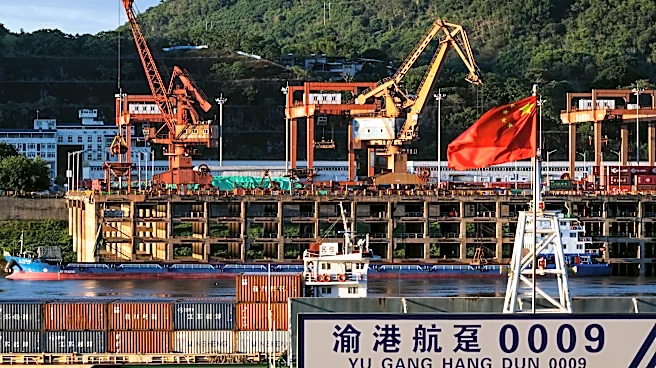
tariffs, there has been a notable increase in steel imports, which rose by 22% in April compared to a near five-year low last September. This surge in imports coincides with a domestic price rally, where hot band prices have reached a multi-year high of $1,145 per short ton. The extended lead times for domestic production, averaging nearly eight weeks, are comparable to the time it takes for imports to arrive, making offshore products more appealing. The current market dynamics, including high prices and limited availability, are prompting some industry players to consider imports as a viable option to fill inventory gaps.
Why It's Important?
The ongoing situation highlights the delicate balance between protecting domestic industries and managing market demands. The Section 232 tariffs, initially implemented to shield U.S. steelmakers from unfair competition, are now being tested by the rising allure of imports. This could potentially impact domestic production and investment if imports continue to rise. The steel industry is a significant contributor to the U.S. economy, and any shifts in its dynamics could have broader implications for employment and industrial growth. The increased import activity suggests that while tariffs have provided some protection, they may not be sufficient to counteract the current market pressures, leading to potential policy reevaluations.
What's Next?
As the situation develops, stakeholders, including policymakers and industry leaders, may need to reassess the effectiveness of current trade measures. The potential for increased imports could prompt discussions on adjusting tariff rates or implementing additional trade protections. The steel industry will likely continue to monitor import volumes and domestic production capabilities closely. Any changes in policy or market conditions could significantly influence the strategic decisions of steelmakers and their ability to compete in a global market.