




What's Happening?
Active recovery, involving low-impact activities such as walking, gentle cycling, or stretching, is highlighted as a crucial method for alleviating post-workout joint discomfort. This approach promotes blood flow without overstressing muscles, aiding
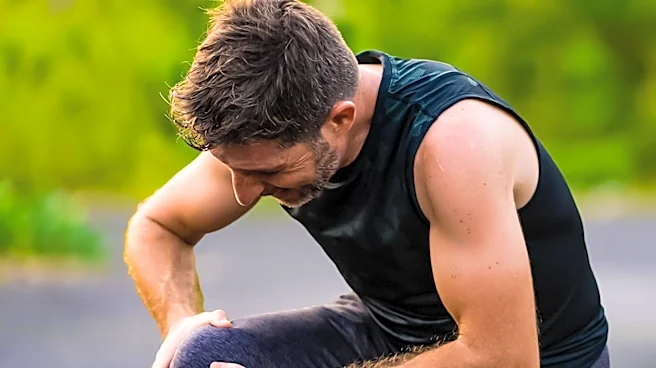
in nutrient delivery and waste removal. The immediate aftermath of intense exercise often involves inflammation, micro-tears in connective tissues, and metabolic waste buildup, particularly in weight-bearing joints like knees, hips, and ankles. The R.I.C.E. protocol (Rest, Ice, Compression, Elevation) remains the standard for acute injury management, but active recovery complements this by maintaining mobility and preventing stiffness. Nutritional support, including anti-inflammatory foods like Omega-3 fatty acids, turmeric, and ginger, along with supplements like glucosamine, chondroitin, and collagen peptides, is also vital for internal healing and cartilage maintenance. Proper hydration and electrolyte balance are essential to prevent dehydration, which can increase the viscosity of synovial fluid and lead to joint friction.
Why It's Important?
The emphasis on active recovery and holistic joint care is important for individuals engaged in regular physical activity, from casual exercisers to athletes. By integrating low-impact movements and nutritional strategies, individuals can significantly reduce muscle soreness, prevent chronic inflammation, and enhance overall joint health. This approach minimizes the risk of long-term wear and tear, such as osteoarthritis or tendinitis, which can result from overtraining or neglecting proper recovery. For the fitness industry, promoting these recovery methods can lead to more sustainable and injury-free participation, potentially increasing client retention and satisfaction. Furthermore, understanding the interplay between biomechanics, inflammation, and systemic support can empower individuals to take a proactive role in their well-being, reducing reliance on reactive treatments for pain and injury. This shift towards preventative and holistic care can lead to a healthier, more active population, reducing healthcare burdens associated with chronic joint issues.
What's Next?
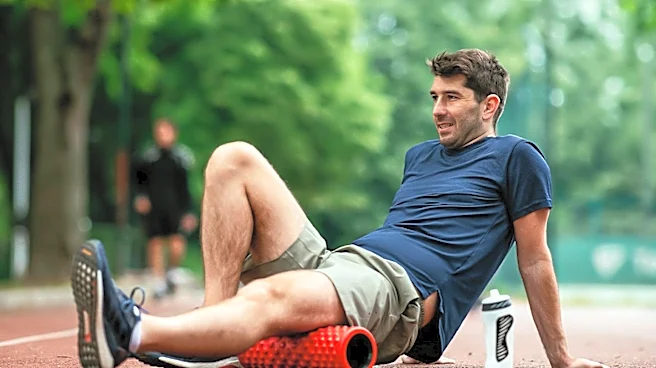
Individuals are encouraged to integrate active recovery strategies into their fitness routines, particularly on rest days. This includes incorporating activities like swimming, cycling, yoga, or Pilates to maintain range of motion and promote blood flow without high impact. Continued focus on anti-inflammatory diets, adequate hydration, and targeted supplements will be crucial for long-term joint health. Consulting with fitness professionals or physical therapists to ensure proper form and progressive overload in workouts can further prevent injuries. The fitness industry may see an increased demand for specialized recovery services, such as guided active recovery sessions, nutritional counseling, and advanced techniques like myofascial release and proprioception training. As awareness grows, there may also be a greater emphasis on personalized recovery plans tailored to individual needs and activity levels, moving beyond a one-size-fits-all approach to post-workout care.
Beyond the Headlines
The growing focus on active recovery and comprehensive joint health reflects a broader shift in wellness philosophy, moving from simply treating symptoms to fostering long-term physical resilience. This approach highlights the interconnectedness of diet, exercise, and recovery, underscoring that physical well-being is not solely about intense workouts but also about mindful self-care. Ethically, it promotes a more sustainable and less injury-prone fitness culture, encouraging individuals to listen to their bodies and prioritize longevity over short-term gains. Culturally, it challenges the 'no pain, no gain' mentality, advocating for a balanced approach that values recovery as much as exertion. This paradigm shift could lead to a more inclusive fitness environment where individuals of all ages and fitness levels can engage in physical activity safely and effectively, ultimately improving overall public health and quality of life.