





What's Happening?
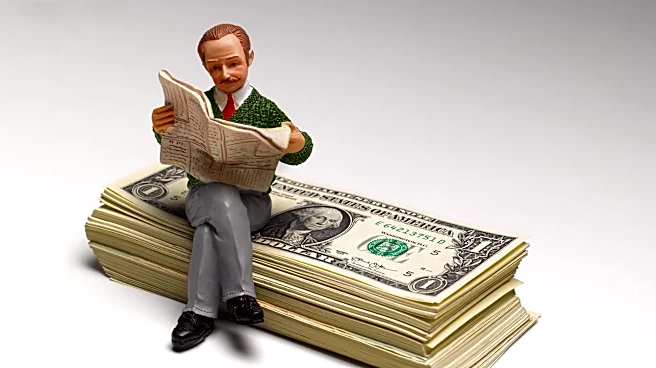
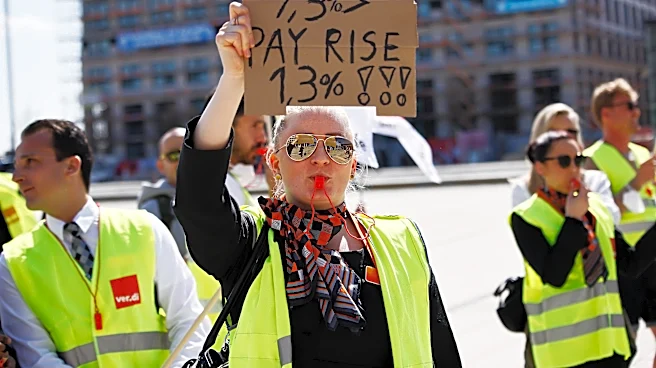
The U.S. economy saw an increase of 57,000 jobs in June, with the unemployment rate decreasing to 4.2%. Despite this positive job growth, there is concern as wage growth continues to lag behind inflation for the third consecutive month. This trend raises
questions about the stability of the labor market. Analysts from NBC News and Investopedia have highlighted these figures, noting the potential implications for economic stability and consumer purchasing power.
Why It's Important?
The addition of jobs and a lower unemployment rate are typically positive indicators for the economy. However, the persistent issue of wage growth not keeping pace with inflation could lead to decreased consumer spending power, affecting overall economic growth. This situation may pressure policymakers to address wage stagnation to ensure that economic recovery benefits are more evenly distributed. The disparity between job growth and wage increases could also influence future monetary policy decisions by the Federal Reserve.
What's Next?
If wage growth continues to lag, it may prompt further discussions among policymakers and economists about potential interventions to boost wages. Additionally, businesses may face increased pressure to raise wages to attract and retain employees, especially in a competitive labor market. The Federal Reserve may also consider these factors when deciding on interest rate adjustments in the coming months.