



What's Happening?
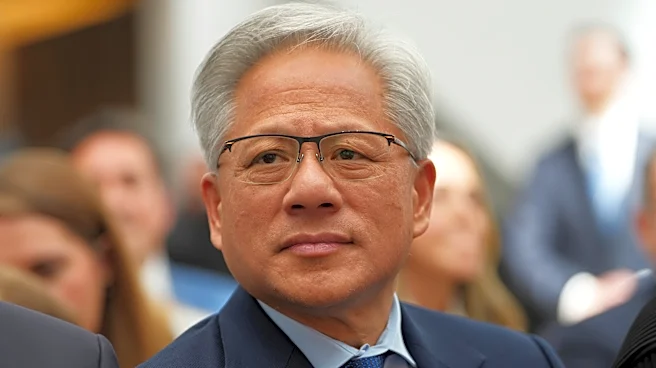
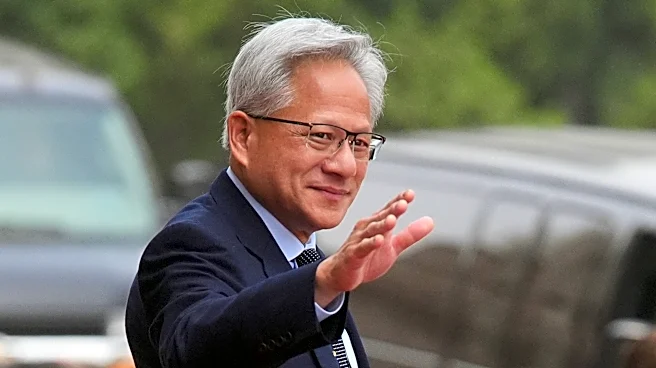
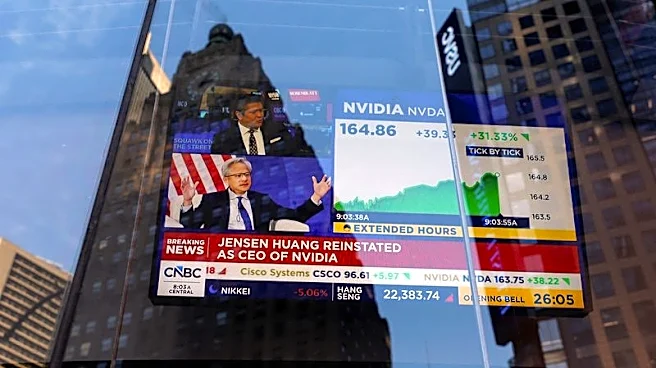
NVIDIA's board of directors has reinstated Jensen Huang as President and Chief Executive Officer, effective immediately, following his resignation two weeks prior. The unanimous decision by the board came after receiving input from senior levels of the United
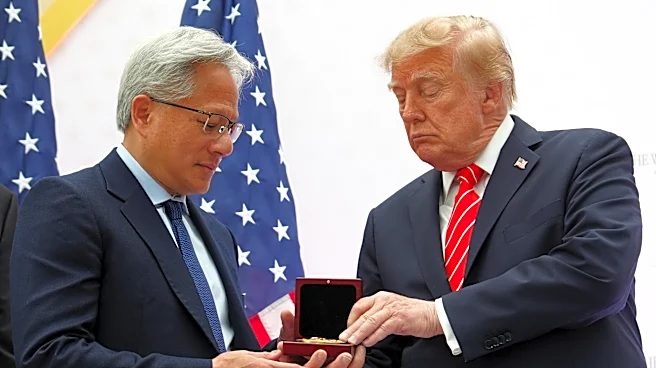
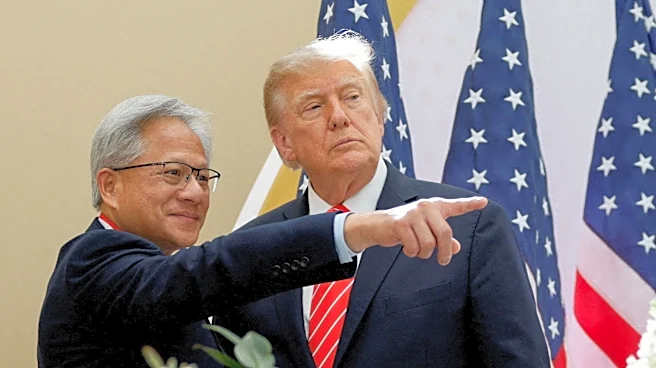
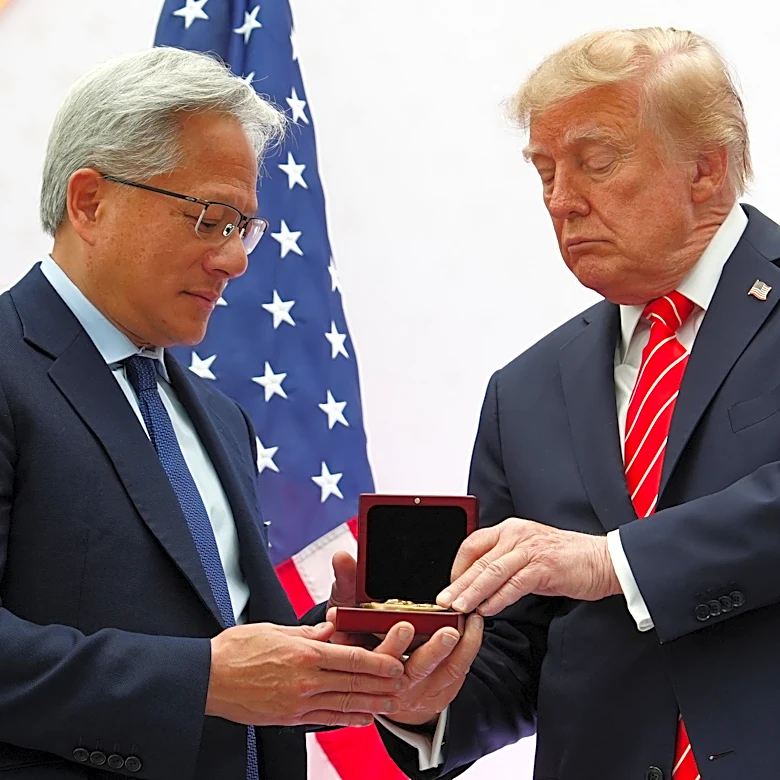
States government, which assured the board that Mr. Huang's return poses no national security risk. President Trump publicly supported Huang's reinstatement, stating on social media that it would be beneficial for both NVIDIA and the U.S. He also confirmed his personal intervention, speaking directly and indirectly with the company's board. Huang had resigned after revelations of extramarital affairs, including one with an individual U.S. intelligence agencies suspected of being a Chinese spy. In response to these developments, NVIDIA's stock surged by 30%, positively impacting the S&P 500. The company has also established a new 'national security and export control oversight' panel. Despite the reinstatement, several U.S. government entities, including the California Attorney General's office, the Securities and Exchange Commission, and three House committees, are continuing their investigations and inquiries into NVIDIA and Mr. Huang.
Why It's Important?
The reinstatement of Jensen Huang, heavily influenced by presidential intervention and a national security review, highlights the critical strategic importance of NVIDIA to the U.S. economy and national security. NVIDIA's dominance in advanced computer chips, essential for artificial intelligence development, positions it as a key player in global technological competition. The direct involvement of President Trump in a corporate leadership decision is highly unusual and underscores the government's perceived need to maintain stability and strong leadership in companies vital to national interests, particularly in the AI sector. This event could set a precedent for future government influence in private sector leadership, especially for companies deemed critical infrastructure or national assets. The market's positive reaction, with NVIDIA's stock soaring, indicates investor confidence in Huang's leadership and the company's future trajectory in the AI boom. However, ongoing investigations by various government bodies suggest continued scrutiny over corporate governance, compliance with export controls, and potential national security implications, which could impact NVIDIA's operations and reputation moving forward.
What's Next?
Jensen Huang will immediately resume his duties as NVIDIA's CEO, steering the company through its pivotal role in the AI industry. However, his return does not signal an end to scrutiny. He is scheduled to appear before three House committees on December 1st for a closed-door interview, followed by a public hearing before the Senate Banking Committee on December 3rd, where he is expected to face tough questions regarding the circumstances of his resignation and reinstatement, as well as NVIDIA's compliance with U.S. export controls. The California Attorney General's office and the Securities and Exchange Commission will continue their respective probes into NVIDIA's conduct and accounting practices. NVIDIA's newly formed 'national security and export control oversight' panel will begin its work to address compliance and risk management. The company will also likely face ongoing pressure to demonstrate robust corporate governance and transparency amidst these investigations. The broader implications include potential debates in Congress regarding the extent of presidential influence in private corporate decisions and the balance between national security interests and corporate autonomy.
Beyond the Headlines
The extraordinary circumstances surrounding Jensen Huang's reinstatement raise profound questions about corporate governance, national security, and the role of the U.S. presidency in private sector affairs. The direct intervention by President Trump in a corporate board's decision, coupled with the national security clearance for a CEO, blurs the traditional lines between government and private enterprise. This could signal a new era where the U.S. government takes a more active role in ensuring leadership stability and strategic alignment within companies deemed critical to national interests, particularly in advanced technology sectors. The situation also highlights the increasing intersection of personal conduct, corporate leadership, and geopolitical concerns, especially when individuals in powerful positions may be perceived as vulnerabilities. The ongoing investigations by various government bodies, despite the presidential endorsement, underscore the complex layers of accountability and oversight that even strategically important companies must navigate. This event may prompt broader discussions on the ethical implications of government influence in corporate decisions and the potential for conflicts of interest, particularly in industries with significant economic and national security implications.