




What's Happening?
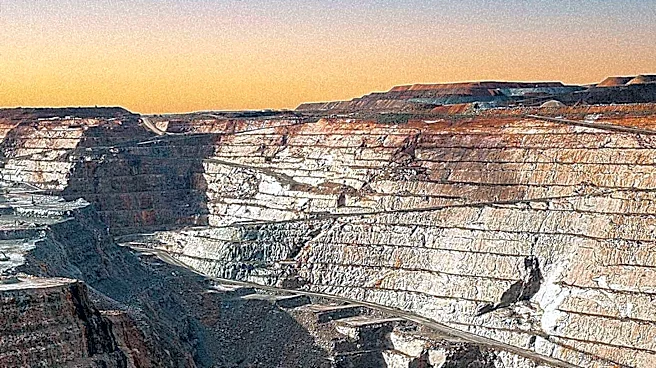
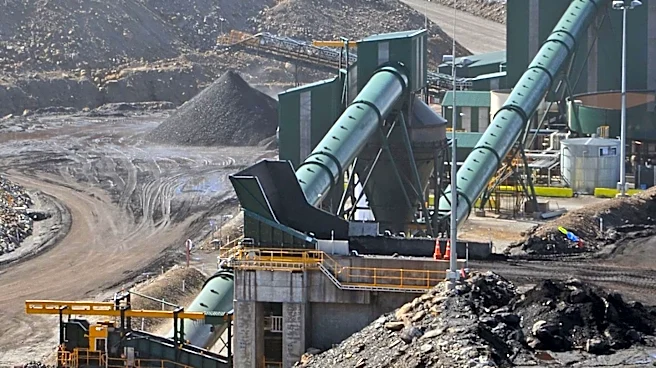
The mining industry is increasingly recognized as foundational to the energy transition, despite its traditional association with extractive practices and environmental impact. Experts in climate technology, including those with backgrounds in science
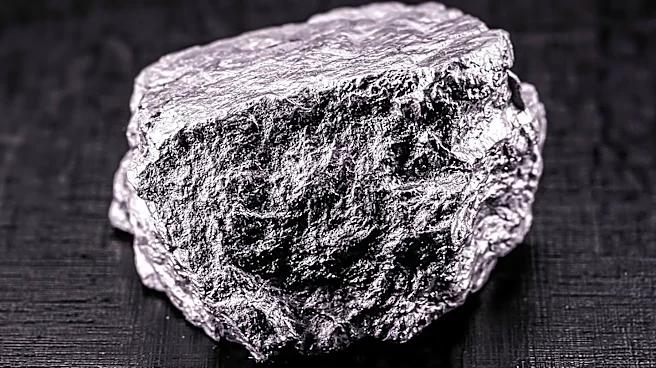
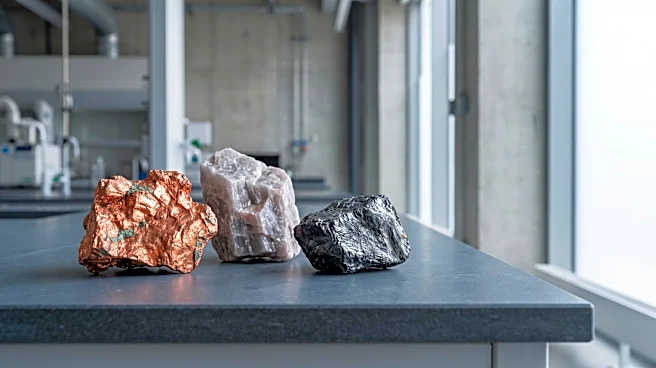
and venture investing, are now focusing on mining due to the critical need for raw materials like copper, lithium, graphite, nickel, rare earth elements, steel, and aluminum. These minerals are essential for manufacturing solar panels, batteries, transmission lines, electric vehicles, and wind turbines. The shift in perspective acknowledges that a lower-carbon economy cannot be built without understanding the origin of these fundamental materials. This has led to a re-evaluation of mining's role, emphasizing the need for more efficient and environmentally responsible extraction methods. The industry is exploring technological advancements to reduce its ecological footprint and improve resource efficiency.
Why It's Important?
This evolving view of the mining industry is crucial for the U.S. and global efforts to combat climate change and transition to renewable energy sources. The demand for critical minerals is skyrocketing, driven by the rapid adoption of green technologies. Without a reliable and sustainable supply of these materials, the pace of the energy transition could be significantly hampered. Investing in new mining technologies and practices can lead to substantial economic opportunities, fostering innovation in areas such as more efficient mineral discovery, advanced separation techniques, and the conversion of waste streams into valuable feedstocks. Furthermore, addressing the environmental impacts of mining through technological solutions can mitigate ecological damage and improve public perception, which is vital for securing social license to operate and ensuring long-term sustainability. The U.S. economy stands to gain from a robust domestic supply chain for these critical minerals, reducing reliance on foreign sources and enhancing national security.
What's Next?
The immediate future will likely see increased investment in research and development aimed at making mining operations more sustainable and efficient. This includes the deployment of advanced sensors, artificial intelligence for ore body analysis, and biotechnological solutions for mineral separation. Companies and investors are expected to prioritize technologies that reduce energy and water consumption, minimize chemical use, and improve metal recovery rates from extracted rock. Policy discussions may also emerge regarding incentives for green mining practices and the establishment of clear regulatory frameworks that balance environmental protection with the urgent need for critical minerals. Collaboration between climate tech innovators, mining companies, and government bodies will be essential to accelerate the adoption of these new approaches and ensure a steady, responsible supply of materials for the energy transition.
Beyond the Headlines
Beyond the immediate technological and economic implications, this shift highlights a broader re-conceptualization of 'sustainability.' It challenges the notion that sustainability solely means using fewer resources, instead emphasizing the importance of responsible resource acquisition for essential societal transformations. This perspective acknowledges that certain industries, traditionally seen as environmentally detrimental, are indispensable for achieving larger environmental goals. It also brings to light the ethical considerations surrounding resource extraction, particularly the need to ensure that the benefits of the energy transition are not built upon exploitative or environmentally damaging practices. The long-term success of this pivot will depend on a holistic approach that integrates technological innovation with robust environmental regulations, community engagement, and a commitment to circular economy principles, where materials are reused and recycled to minimize virgin resource extraction.