







What's Happening?
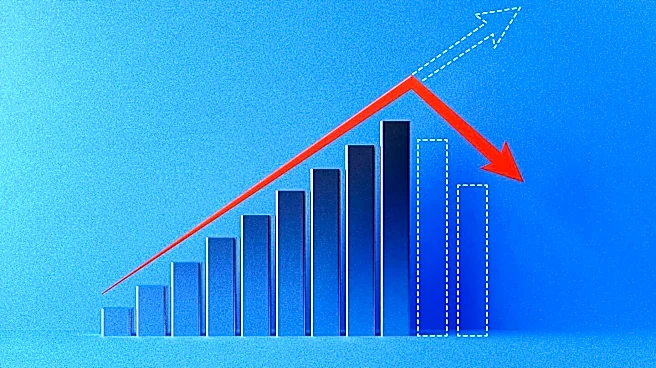
Small business bankruptcies in the U.S. have increased significantly in 2026, with filings rising to 1,663 in the first half of the year, marking a 50% increase compared to the same period in 2025. This surge is attributed to ongoing financial pressures,
including higher borrowing costs, increasing expenses, and geopolitical volatility. The American Bankruptcy Institute (ABI) reports that these factors are driving more small businesses to seek bankruptcy protection to restructure their obligations. The overall bankruptcy filings have also risen by 12% year-over-year, reflecting broader economic challenges.
Why It's Important?
The rise in small business bankruptcies highlights the financial strain on entrepreneurs and the potential impact on the U.S. economy. Small businesses are crucial for job creation and economic growth, and their struggles could lead to increased unemployment and reduced economic activity. The situation underscores the need for supportive policies to help small businesses navigate financial challenges. Stakeholders such as policymakers, financial institutions, and business owners must address these issues to prevent further economic disruption.
What's Next?
The U.S. government and financial institutions may need to implement measures to support small businesses, such as providing access to affordable credit and financial assistance. Policymakers might consider revising regulations to ease the financial burden on small businesses. The outcome of these efforts could determine the resilience of the small business sector and its ability to contribute to economic recovery.