

What's Happening?
A new design aesthetic, dubbed 'burrowcore,' is gaining traction as a way to create cozy and comforting home environments, particularly as colder weather approaches. This trend, distinct from cottagecore, focuses on transforming living spaces into intimate
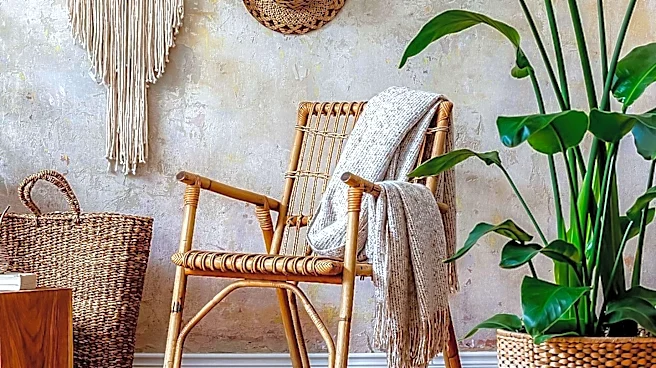
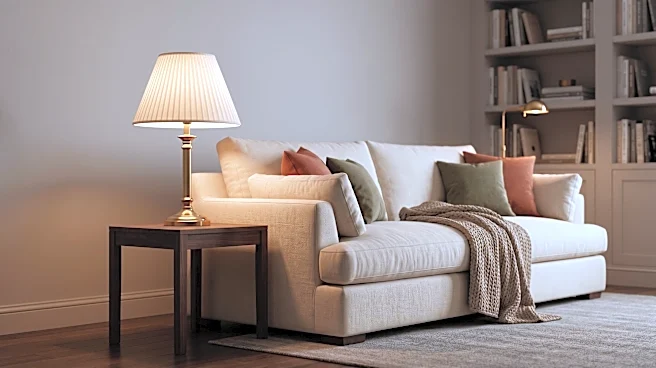
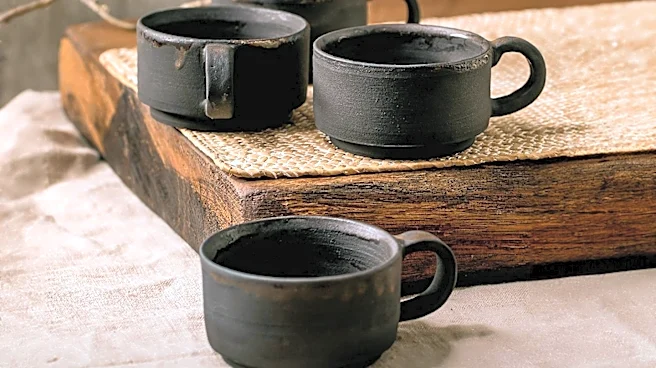
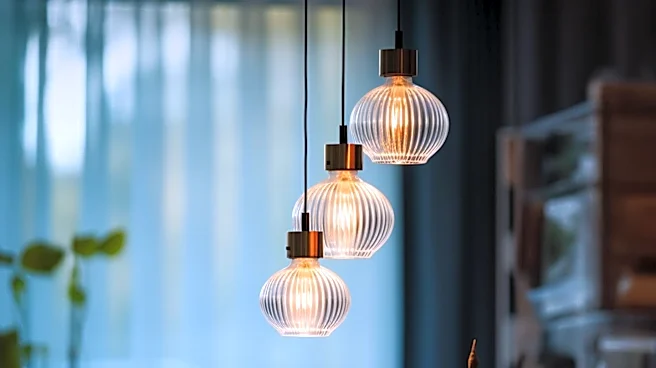
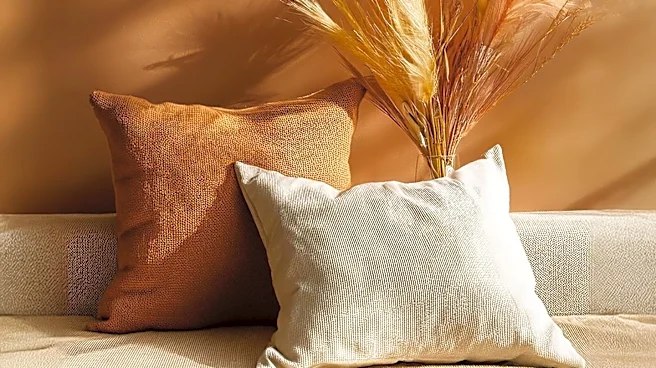
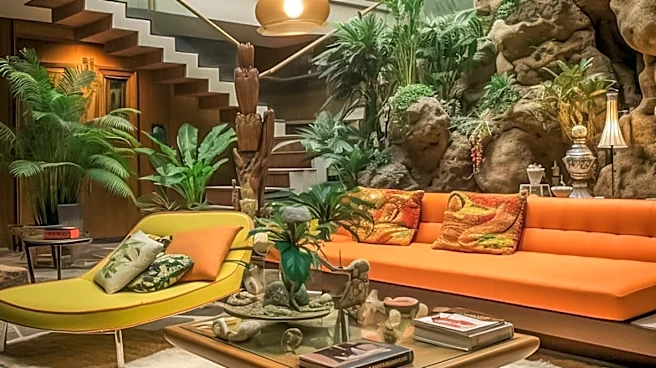
refuges, drawing inspiration from the snug dwellings of storybook animals. Interior designers, such as Shweta Pathak, founder of House of Suris, describe burrowcore as creating enveloping and deeply comforting spaces through the strategic use of color, texture, pattern, and layered materials. Key elements include soft, pooled lighting achieved with scattered lamps and candles, avoiding harsh overhead lights, and creating a sense of enclosure through deeper wall and ceiling colors or heavy curtains. The aesthetic also emphasizes layering warm materials like throws and cushions, and incorporating whimsical, imperfect handmade trinkets and art to evoke a natural, lived-in feel.
Why It's Important?
The rise of the burrowcore aesthetic reflects a broader societal shift towards prioritizing comfort and well-being within personal spaces, especially in response to external stressors or seasonal changes. This trend can significantly impact the home decor and interior design industries, influencing product development and marketing strategies for furniture, lighting, textiles, and decorative items. Retailers may see increased demand for specific types of lighting, plush fabrics, and artisanal decor that align with the burrowcore ethos. For consumers, embracing burrowcore offers a psychological benefit, providing a sense of security and warmth that can counteract the effects of shorter days and colder temperatures. It encourages a more mindful approach to home design, focusing on creating functional yet emotionally resonant environments, potentially leading to increased consumer spending in categories that support this aesthetic.
What's Next?
As burrowcore gains popularity, interior designers and home decor brands are expected to further integrate its principles into their offerings. We may see more curated collections of furniture and accessories designed to evoke a sense of refuge and coziness. Design publications and social media platforms will likely feature more examples and tips for implementing burrowcore in various home settings, further solidifying its presence as a significant trend. Consumers can anticipate a wider availability of products that emphasize soft lighting, rich textures, and whimsical elements. The aesthetic's emphasis on creating intimate, comforting spaces suggests it could evolve beyond a seasonal trend, becoming a more permanent fixture in home design, particularly as people continue to seek sanctuaries within their homes.
Beyond the Headlines
Beyond its immediate impact on home aesthetics, burrowcore taps into a deeper human need for security and retreat. In an increasingly fast-paced and often overwhelming world, the desire to create a personal haven reflects a psychological coping mechanism. This aesthetic encourages a return to simpler, more tactile experiences, valuing comfort and authenticity over minimalist or overly modern designs. It also subtly promotes sustainability by encouraging the use of handmade items and natural materials, fostering a connection to nature and craftsmanship. The emphasis on 'imperfect whimsy' challenges conventional notions of perfection in design, celebrating individuality and the charm of the handmade. This cultural shift towards valuing comfort and personal sanctuary could influence broader lifestyle choices, from how people spend their leisure time to their preferences for community and social interaction.