








What's Happening?
Abercrombie & Kent, a prominent luxury travel company, has observed a significant 15% year-on-year increase in its culinary bookings. This surge is primarily attributed to a phenomenon dubbed 'revenge travel,' where individuals, following periods of restricted
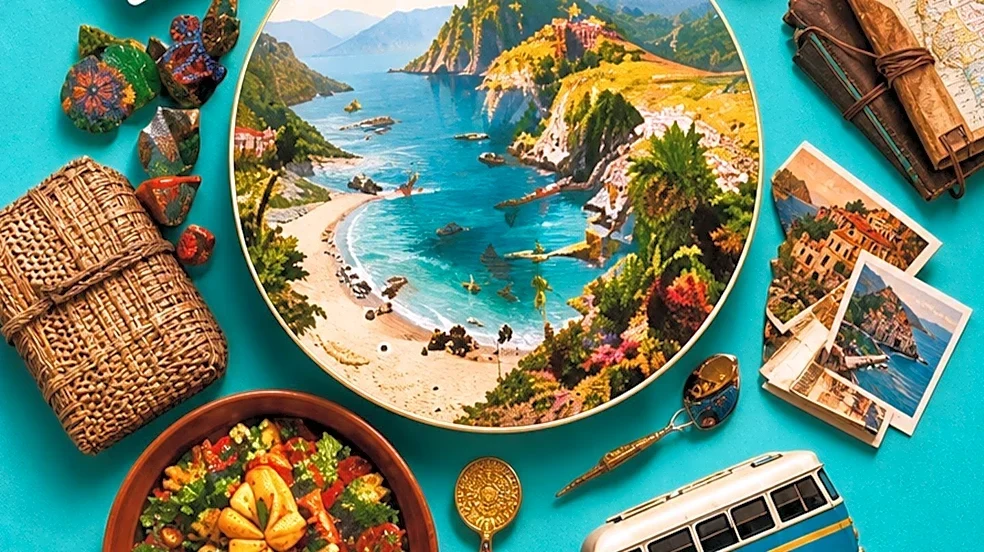
movement, are eager to embark on experiential journeys. The company specializes in bespoke gastronomic tours, offering high-end experiences such as meet-and-greets with Michelin-starred chefs and exclusive vineyard access. This trend is part of a broader expansion within the European culinary tourism market, which is projected to grow at a Compound Annual Growth Rate (CAGR) of 12.4% between 2024 and 2030. The market is seeing increased demand for authentic, experiential, and sustainable food experiences, moving beyond traditional sightseeing to embrace immersive cultural and gastronomic discoveries. Other key players in this market, like Classic Journeys and G Adventures, are also capitalizing on this demand with diverse offerings.
Why It's Important?
The rise in culinary tourism, particularly the 'revenge travel' aspect, signifies a notable shift in consumer preferences within the U.S. travel market. American travelers are increasingly prioritizing unique, immersive, and high-quality experiences over conventional vacations. This trend benefits luxury travel operators like Abercrombie & Kent, as well as local economies in European destinations that offer specialized food and wine experiences. The demand for sustainable and authentic encounters also encourages the growth of local businesses, from small farms to artisanal producers and regional chefs. For the U.S. travel industry, this indicates a need to adapt and offer more curated, experience-driven packages to cater to evolving consumer desires. It also highlights the economic impact of post-pandemic travel, with consumers willing to invest more in memorable and enriching journeys, potentially influencing investment in niche tourism sectors.
What's Next?
The European culinary tourism market is expected to continue its robust growth, with forecasts projecting a market size near USD 385 billion by 2030. Key growth drivers will include immersive gastronomic storytelling, farm-to-table traceability, and the integration of AI-powered hyper-personalized food tours. Travel companies are likely to focus on partnerships with regional Destination Management Companies (DMCs) and leverage local chefs as micro-influencers to enhance their offerings. There will also be an emphasis on developing modular packages to cater to solo travelers and remote workers. However, potential disruptions such as climate-induced ingredient shortages may necessitate dynamic menu adaptations. The market will also see a continued focus on sustainability and ethical travel practices, with a growing demand for carbon-neutral tours and zero-waste dining experiences.
Beyond the Headlines
The 'revenge travel' phenomenon extends beyond mere tourism; it reflects a deeper psychological need for connection, exploration, and making up for lost time following global disruptions. This trend underscores a broader cultural shift towards valuing experiences over material possessions, particularly among younger generations like Gen Z and millennials, who prioritize authenticity, sustainability, and social shareability in their travel choices. The emphasis on farm-to-table traceability and local sourcing also highlights a growing consumer awareness of food origins and ethical consumption. This could lead to long-term changes in the global food supply chain and agricultural practices, as demand for locally sourced and sustainable ingredients increases. Furthermore, the integration of technology, such as AI for personalization and blockchain for supply chain transparency, suggests a future where travel experiences are highly customized and transparent, potentially setting new standards for the entire tourism industry.