




What's Happening?
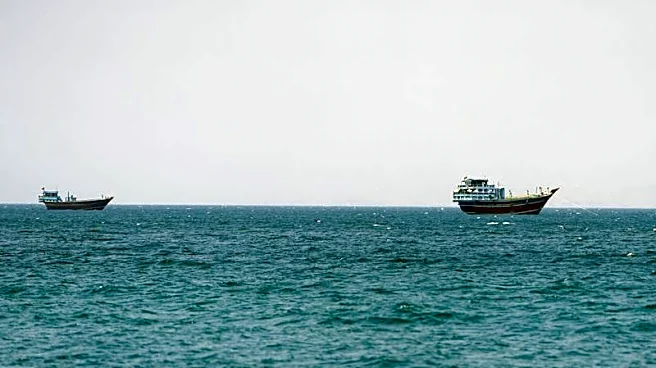
Chevron and Exxon Mobil have reported significant increases in their quarterly profits, attributed to the ongoing conflict between the U.S. and Iran, which has disrupted oil shipments through the Strait of Hormuz. This disruption has led to a surge in global
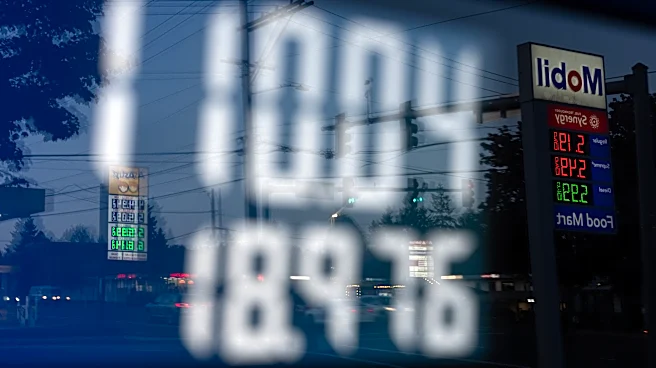
oil prices, with Brent crude reaching as high as $126 per barrel. Chevron's profits nearly quadrupled to $12.07 billion, while Exxon Mobil's profits doubled to $14.53 billion. The conflict has caused fuel shortages and price hikes worldwide, affecting consumers and leading to fuel rationing in some countries. The situation has prompted U.S. lawmakers to propose a windfall profits tax on major oil producers to redistribute the proceeds to consumers.
Why It's Important?
The record profits reported by Chevron and Exxon highlight the significant impact of geopolitical tensions on global oil markets and consumer prices. The surge in fuel prices affects not only individual consumers but also industries reliant on transportation and logistics, potentially leading to broader economic repercussions. The proposed windfall profits tax reflects growing political pressure to address perceived inequities in the distribution of economic gains during crises. This development underscores the complex interplay between international conflicts, energy markets, and domestic economic policies, with potential implications for future regulatory and legislative actions.
What's Next?
The proposed windfall profits tax on major oil producers is likely to face significant debate in Congress, with potential implications for future energy policy and taxation. The ongoing conflict between the U.S. and Iran may continue to influence global oil prices and supply chains, affecting economic stability and consumer costs. Stakeholders, including energy companies, policymakers, and consumers, will be closely monitoring developments in the geopolitical landscape and legislative responses. The situation may also prompt discussions on energy independence and alternative energy sources to mitigate the impact of similar crises in the future.