
What's Happening?
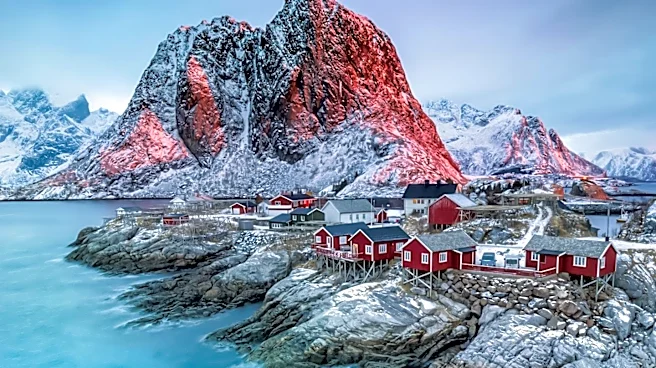
The Lofoten Islands in Norway have been recognized as a prime destination for Arctic adventures, offering travelers wild and untouched landscapes. Situated above the Arctic Circle, the islands boast a rich
history dating back to the Viking Age. Visitors can explore dramatic mountain ranges, pristine fjords, and dark, moody beaches. The islands are part of a list of top island destinations for 2026, as identified by a travel platform, highlighting their appeal to those seeking unique and adventurous travel experiences.
Why It's Important?
The recognition of the Lofoten Islands as a top destination underscores the growing interest in Arctic tourism, driven by the desire for unique and remote travel experiences. This trend has implications for the local economy, as increased tourism can boost revenue and create jobs. However, it also raises concerns about the environmental impact of tourism in fragile Arctic ecosystems. Balancing economic benefits with environmental preservation will be crucial for sustainable tourism development in the region.
What's Next?
As interest in Arctic tourism grows, there may be increased investment in infrastructure and services to accommodate visitors while minimizing environmental impact. Local authorities and businesses will need to collaborate on sustainable tourism practices to protect the natural beauty and cultural heritage of the Lofoten Islands. Additionally, there may be opportunities for partnerships with environmental organizations to promote conservation efforts and educate tourists about the importance of preserving Arctic ecosystems.
Beyond the Headlines
The rise of Arctic tourism also highlights broader trends in travel, such as the increasing demand for experiential and adventure-based tourism. This shift reflects changing consumer preferences and the desire for meaningful travel experiences that connect people with nature and culture. The Lofoten Islands serve as a case study for how destinations can leverage their unique attributes to attract visitors while addressing the challenges of sustainable tourism.