








What's Happening?
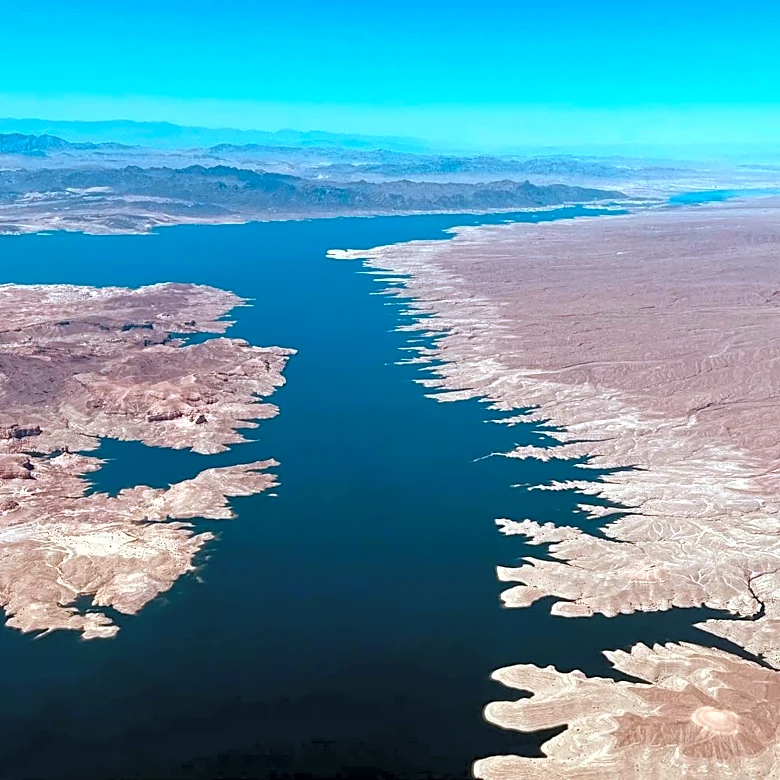
In the western United States, data centers are under scrutiny for their significant water consumption, which exacerbates existing water shortages. In Phoenix, water use for data center cooling is projected to increase by 870%, while the proposed Stratos
hyperscale project in Utah could increase annual water demand by 16.6 billion gallons. These concerns have led to policy actions such as the Tucson City Council denying annexation and municipal water access for the Project Blue data center. In Utah, Bar H. Ranch withdrew its application to transfer water rights to Stratos after receiving thousands of protest letters. Despite these challenges, data centers remain crucial for the modern economy, and states are employing various policy tools like permitting requirements, mandatory water-use reporting, and tax incentives to manage water use efficiently.
Why It's Important?
The scrutiny of data centers' water usage highlights the tension between technological advancement and environmental sustainability. Data centers are integral to the modern economy, supporting the infrastructure needed for technologies like artificial intelligence. However, their water consumption poses a significant challenge in arid regions already facing water scarcity. The situation underscores the need for innovative water management solutions that balance economic growth with resource conservation. States are exploring policy tools to encourage water efficiency without stifling economic benefits, such as job creation and tax revenue, that data centers provide.
What's Next?
As water scarcity becomes a defining factor in the growth of data hubs, policymakers are likely to continue exploring and implementing strategies to manage water use effectively. This may include further development and adoption of water-conserving technologies, such as advanced thermal cooling systems. Lawmakers may also consider extending incentives to popularize these technologies, ensuring that data centers can continue to expand without exacerbating water shortages. The ongoing debate will likely focus on finding a sustainable path forward that supports both technological infrastructure and environmental stewardship.