




What's Happening?
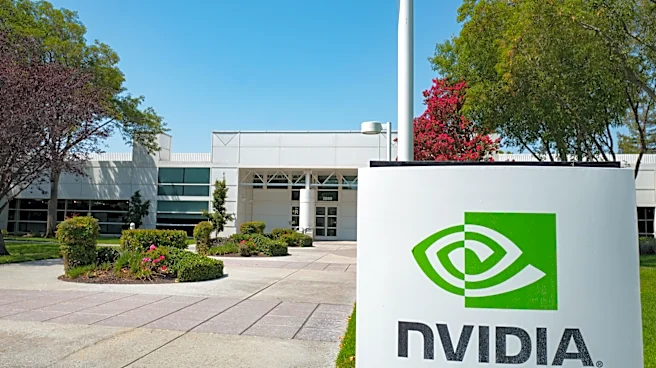
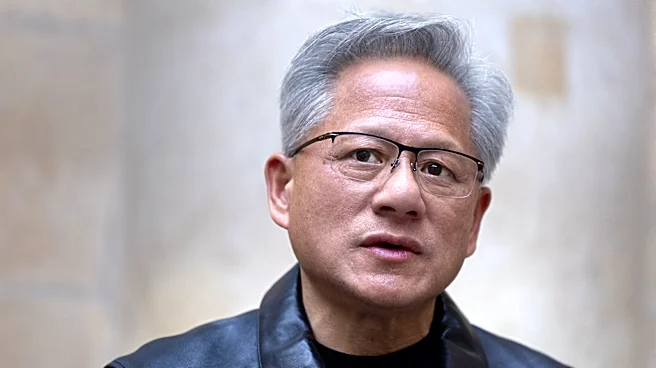
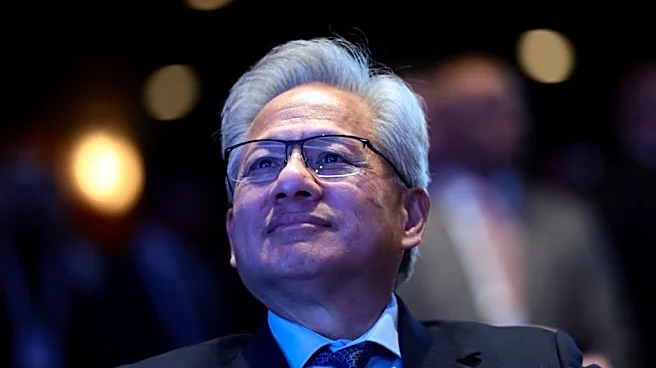
Jensen Huang, the founder and CEO of Nvidia, has resigned following mounting scandals, including an admitted extramarital affair with a woman suspected of being a Chinese spy. This resignation has cast uncertainty over Nvidia's future, a company deeply
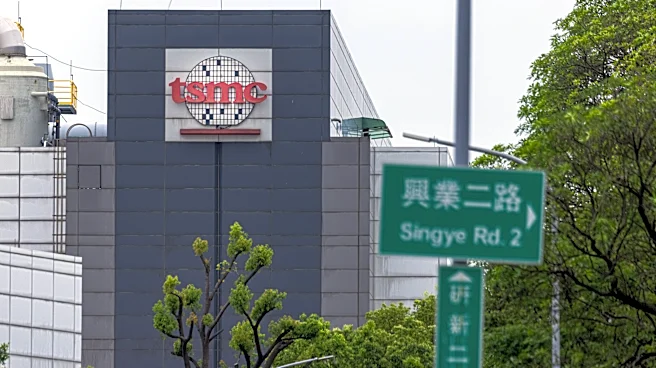
intertwined with TSMC, a semiconductor manufacturer with a significant multi-fab plant in Phoenix, Arizona. Nvidia designs the advanced chips that TSMC manufactures, and the two companies have a long-standing partnership. U.S. House Speaker Mike Johnson and other officials have expressed concern over the development, highlighting Nvidia's importance to the U.S. economy and national security. Congressman Greg Stanton has also raised serious questions about whether advanced Nvidia chips were illegally smuggled into China, potentially bypassing U.S. export restrictions, which he views as a threat to national security and U.S. leadership in artificial intelligence.
Why It's Important?
The resignation of Nvidia's CEO and the surrounding controversy have significant implications for the U.S. semiconductor industry and national security. Nvidia's advanced AI chips are critical for technological leadership, and any disruption to their supply chain or unauthorized access by foreign entities, particularly China, could undermine U.S. competitive advantage. For Arizona, where TSMC has invested billions in its manufacturing plant, the uncertainty surrounding Nvidia could have ripple effects on the state's economic future, which has heavily relied on the growth of the semiconductor sector. The close partnership between Nvidia and TSMC means that any instability in one company can impact the other, potentially affecting job creation, investment, and the overall technological ecosystem in Arizona. This situation underscores the vulnerability of critical supply chains and the need for robust national security measures in the tech sector.
What's Next?
Nvidia's future leadership and strategic direction are now uncertain, with Colette Kress, the current executive vice-president and chief financial officer, serving as interim CEO while a permanent replacement is sought. The ongoing investigations into the alleged illegal smuggling of chips to China will likely intensify, potentially leading to stricter export controls and increased scrutiny of semiconductor companies' international dealings. For TSMC's operations in Arizona, while their plans are not immediately jeopardized, their partnership with Nvidia will be closely monitored. Any changes in Nvidia's business strategy or market position could influence TSMC's production plans and investment decisions in the U.S. The broader implications include a potential re-evaluation of U.S. policies regarding technology transfer and foreign influence in critical industries, aiming to safeguard national security interests and maintain technological superiority.
Beyond the Headlines
The scandal surrounding Nvidia's former CEO and the alleged espionage highlights the growing threat of industrial espionage and the complex challenges of protecting intellectual property in a globalized economy. The intertwining of personal conduct with national security interests underscores the need for heightened vigilance within companies operating in sensitive sectors. This event could prompt a re-evaluation of corporate governance, security protocols, and employee vetting processes, particularly for executives with access to critical technologies. Furthermore, it brings to the forefront the ethical responsibilities of technology companies in adhering to national security directives, even when faced with lucrative international markets. The incident serves as a stark reminder that the competition for technological dominance extends beyond boardrooms and into the realm of geopolitical strategy and intelligence operations.