
What's Happening?
On August 5, 2026, a discarded SpaceX Falcon 9 upper stage is expected to impact the Moon near Einstein Crater. This event is notable as it is the most precisely predicted unplanned lunar impact to date.
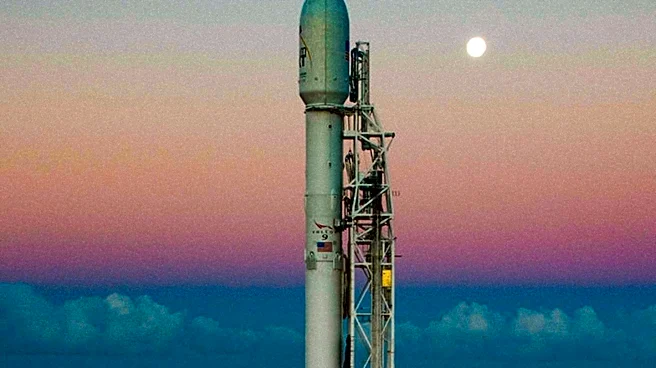
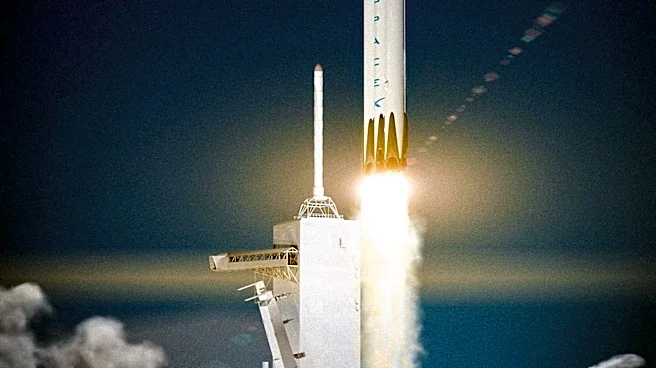
The upper stage, catalogued as 2025-010D, was initially used to deliver two private lunar landers in January 2025. After completing its mission, the stage was left in a highly elongated orbit, eventually leading to its collision course with the Moon. A coordinated observation campaign involving professional and amateur astronomers is in place to study the impact and its effects.
Why It's Important?
This event provides a unique opportunity for scientists to study the effects of a human-made object impacting the Moon. The data collected could enhance understanding of lunar surface dynamics and contribute to future lunar exploration missions. Additionally, the event highlights the growing need for responsible space debris management, as the increasing number of missions to the Moon and beyond raises concerns about space debris and its potential impacts.
What's Next?
Following the impact, scientists will analyze the resulting ejecta plume and any new crater formations. Observations from ground-based telescopes and lunar orbiters will provide valuable data for future lunar missions. The event also underscores the importance of developing international guidelines for space debris management, particularly as commercial lunar activities increase.