



What's Happening?
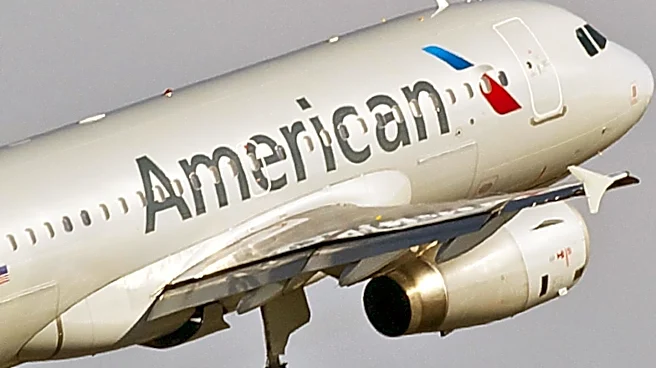
American Airlines and its regional partners anticipate transporting over 8 million customers on nearly 85,000 flights between November 19 and December 1, 2026. This period marks the airline's busiest Thanksgiving travel season since the pandemic. The
peak travel day is projected to be Sunday, November 29, with American planning to operate 7,021 flights, making it the largest single day of flying for the airline since the pandemic began. Chief Operating Officer David Seymour stated that the airline's team is prepared to deliver a safe and reliable operation. Across the U.S. airline industry, Airlines for America (A4A) forecasts nearly 29 million passengers will travel from November 20 to 30, averaging about 2.7 million passengers daily. The industry is also contending with record jet fuel costs, with October's average spot price reaching $4.64 per gallon, surpassing September's record.
Why It's Important?
This surge in Thanksgiving travel highlights a significant return to pre-pandemic travel volumes, indicating a robust demand for air travel despite economic pressures. For American Airlines, managing this high volume successfully is crucial for maintaining customer confidence and operational efficiency. The record jet fuel costs present a substantial challenge for all U.S. airlines, impacting their profitability and operational strategies. To mitigate these costs, carriers are implementing measures such as reducing flights on certain routes, retiring less fuel-efficient aircraft, cutting unprofitable routes, and increasing checked bag fees. These adjustments directly affect consumers through potentially higher travel costs and fewer flight options, while airlines aim to balance operational expenses with passenger demand.
What's Next?
In response to the anticipated high travel volume, American Airlines is advising customers to utilize its app for check-ins, monitor flight statuses, and allocate extra time for airport security. The airline is also promoting features like TSA PreCheck Touchless ID for eligible customers and free high-speed Wi-Fi for AAdvantage members on most flights. Industry-wide, airlines will continue to monitor fuel prices and adjust their operational strategies accordingly, which may include further route optimizations or fee adjustments. Travelers should expect continued emphasis on digital tools for managing their journeys and remain aware of potential changes in flight schedules or services as airlines navigate the busy holiday period and ongoing cost pressures.
Beyond the Headlines
The confluence of record travel demand and escalating operational costs, particularly jet fuel prices, underscores a complex dynamic within the U.S. airline industry. While the return to pre-pandemic travel levels signals economic recovery and consumer confidence in air travel, the financial strain from fuel costs could lead to long-term shifts in airline business models. This situation might accelerate the adoption of more fuel-efficient aircraft and push airlines to explore innovative ways to enhance ancillary revenues, such as through premium services or technology-driven offerings. Furthermore, the industry's ability to manage these challenges during peak travel periods will be a critical test of its resilience and adaptability in a volatile economic environment, potentially influencing future regulatory discussions around airline pricing and consumer protections.